




Journey back to the golden era of American muscle cars with the roaring 1970s Chevrolet SS, a true icon of power, style, and rebellion. These machines weren’t just transportation; they were statements of attitude, embodying a time when horsepower ruled the streets and design screamed speed. The legendary 454 V8 engine, with over 450 horsepower, delivered an adrenaline-fueled growl that still sparks nostalgia among enthusiasts. From bold graphics and vibrant colors to aggressive lines and chrome accents, every detail reflected a daring spirit of individualism. Today, the legacy endures through passionate restorations, vibrant car shows, and a global community that keeps the muscle car culture alive. But as regulations and fuel concerns changed the landscape, these cars transformed from everyday performers into cherished symbols of American ingenuity. Can the spirit of that raw, rebellious power ever truly fade? The answer lies in the roar that still echoes through history, inspiring new generations of enthusiasts.
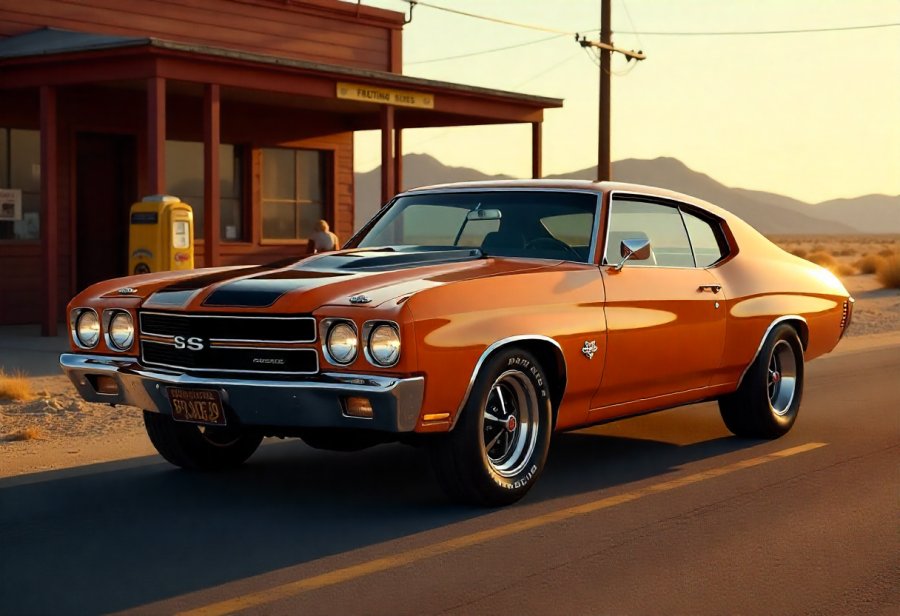
Unleashing American Muscle: The Iconic 1970s Chevrolet SS
The 1970s Chevrolet SS stands as a defining symbol of American muscle car greatness, capturing a moment when style and performance collided on the streets. These cars weren’t just transportation; they were rolling statements of rebellion and attitude. With their aggressive lines, bold graphics, and roaring engines, the Chevrolet SS models embodied the rebellious spirit of the muscle car era, turning heads wherever they appeared. Among them, the Chevelle SS 454 remains legendary for its massive horsepower and commanding presence, showcasing the peak of American engineering and performance.
This era was driven by a desire to push automotive boundaries. Automakers competed fiercely to create vehicles that looked as fast as they sounded—wide stances, scooped hoods, racing stripes, and vibrant colors like Hugger Orange made these cars impossible to ignore. Every detail, from chrome accents to SS badging, was designed to communicate strength, speed, and attitude. These cars weren’t just about getting from A to B; they were about making a statement at every glance.
At the core of these machines was their engines, especially the legendary 454 V8. Known as the “Big Block,” this engine produced over 450 horsepower, delivering a visceral, thunderous growl that announced its presence before you even hit the gas. It wasn’t just raw power; it was engineered for responsiveness and precision, giving drivers confidence to unleash its full potential. The sound and feel of the 454 became an integral part of muscle car culture, symbolizing dominance and freedom.
The design language of these cars conveyed speed even when stationary. Wide stances, scooped hoods, racing stripes, and bold colors created an image of power and performance. Chrome bumpers and aggressive styling cues added to their commanding presence, making them stand out in any crowd. These vehicles weren’t just modes of transportation—they were expressions of individualism and rebellion, built to turn heads and stir excitement.
Despite the challenges faced by the industry in the late 1970s, including stricter regulations and rising fuel prices, the legacy of the Chevrolet SS endured. Enthusiasts and collectors continue to celebrate these cars through restorations and shows, keeping their spirit alive. They serve as a reminder of a golden age when American cars prioritized performance, attitude, and craftsmanship. Today, the Chevrolet SS remains a powerful icon of that era, embodying the thrill and rebellion that defined muscle cars.
The Birth of a Legend: How Muscle Cars Dominated the 1960s and Early 1970s
The muscle car movement in America kicked into high gear during the 1960s, driven by innovation, fierce competition, and a cultural shift towards speed and rebellion. Automakers began designing vehicles that weren’t just practical transportation but symbols of raw power and attitude. Early icons like the Pontiac GTO and Ford Mustang captured the public’s imagination, appealing to young drivers eager for excitement and independence. Chevrolet made its mark with the Chevelle SS 454, which quickly became a legend for its massive horsepower and aggressive styling—more than just cars, they became moving statements of freedom and performance.
Engine power skyrocketed during this period as manufacturers competed to outdo each other. The design language shifted to bold, muscular lines, with wide stances, scooped hoods, racing stripes, and eye-catching colors like Hugger Orange. These visual cues made the cars look fast even when standing still. The aesthetic was about more than looks; it was about creating an identity rooted in rebellion, individualism, and technological prowess. Muscle cars became cultural icons, celebrated in movies, music, and media as symbols of a generation eager to break norms and push boundaries.
This rise in muscle car popularity coincided with broader societal changes. The post-war economic boom meant more disposable income, fueling a desire for entertainment and thrill-seeking. Car culture became a core part of American identity, with muscle cars featured prominently in street racing scenes, car shows, and pop culture moments emphasizing speed and defiance. The powerful engines, combined with striking designs, created a new kind of automotive iconography—vehicles that looked fast and felt capable of delivering adrenaline at any moment.
The design and performance of these early muscle cars reflected a focus on maximum horsepower and visual impact. The Chevrolet Chevelle SS 454, for example, was equipped with a 454-cubic-inch V8 capable of over 450 horsepower. The thunderous sound of these engines became an integral part of their identity, turning every ride into a showcase of raw energy. It wasn’t just about straight-line speed; it was about making a statement with every turn of the key, embodying a spirit of daring and innovation that defined the era.
By the early 1970s, the muscle car craze reached its peak but faced mounting challenges. Stricter emissions regulations, rising fuel prices, and increasing insurance costs for high-performance vehicles started to slow the momentum. The oil crises of the mid-1970s shifted consumer priorities toward fuel efficiency and practicality. Despite these hurdles, the legacy of muscle cars like the Chevelle SS 454 persisted, inspiring enthusiasts and collectors worldwide. Their story remains a vivid chapter in American automotive history, a testament to a time when performance and attitude reigned supreme on the roads.
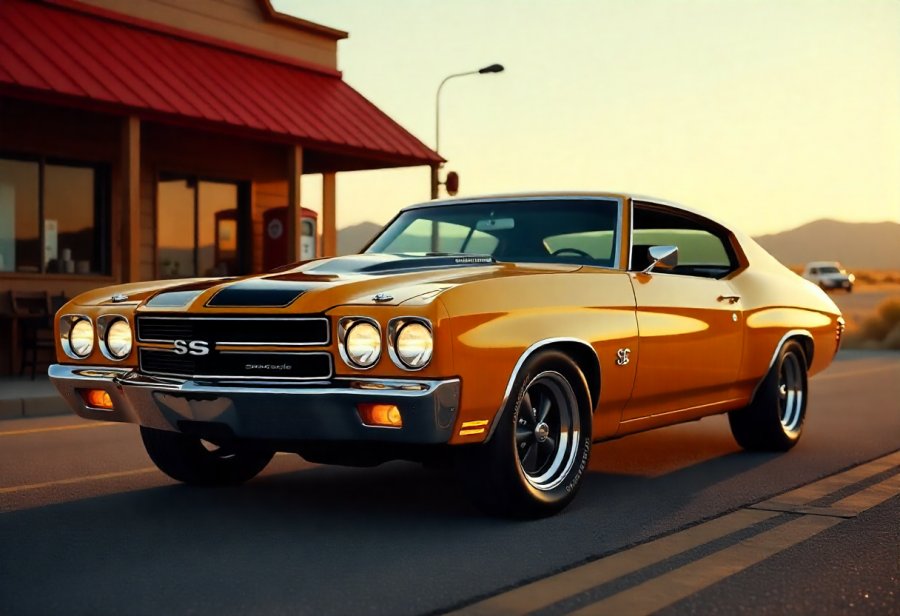
Engine Power Unleashed: The 454 V8 and the Performance Legacy of the Chevrolet SS
The engine options in the 1970s Chevrolet SS are what truly set these cars apart and cemented their legendary status. At the heart of the lineup was the iconic 454-cubic-inch V8 engine, commonly known as the “Big Block.” Designed for maximum power, this engine could produce over 450 horsepower, making it one of the most formidable street engines of its time. Its deep, resonant growl announced its presence before the driver even pressed the accelerator, instantly signaling raw performance.
This powertrain wasn’t just about raw force; it was engineered for responsiveness and control. High-flow cylinder heads, large carburetors, and reinforced internals allowed the engine to handle immense torque and high speeds with ease. Drivers felt the punch of each shift, experiencing an adrenaline rush with every acceleration. The thunderous exhaust note became a signature of the muscle car era, turning every ride into a performance event that drew awe and admiration.
Performance extended well beyond straight-line speed. The Chevelle SS 454, equipped with this engine, excelled in quarter-mile drag races, but its handling capabilities were equally impressive. Reinforced suspensions and upgraded brakes provided the confidence needed to push the car to its limits, whether on the drag strip or winding roads. This balance of brute power and refined handling made these cars not just fast but also capable performers in various driving scenarios.
Driving a Chevrolet SS with the 454 V8 created a visceral connection to the machine’s energy. The engine responded instantly to throttle inputs, while the deep, guttural growl became a soundtrack that embodied the rebellious spirit of muscle cars. It wasn’t merely about speed; it was about commanding a mechanical beast with pride and confidence, feeling every pulse of raw horsepower beneath the hood.
The engineering behind the 454 V8 reflected a relentless pursuit of horsepower and durability. Every component, from reinforced internals to high-capacity carburetors, was built to withstand the demands of high-performance driving. Chevrolet focused on creating an engine that delivered consistent, jaw-dropping performance without sacrificing reliability—an essential trait that contributed to its legendary reputation.
While emissions standards and fuel economy concerns eventually led to the decline of such high-horsepower engines, their legacy remains alive among enthusiasts. Restorers and collectors continue to seek out these engines, appreciating their craftsmanship and the visceral driving experience they provide. The 454 V8 wasn’t just an engine; it was the beating heart of a cultural movement—an icon that made American muscle cars legendary and timeless.
The roar of the 454 engine was more than just a sound; it was a declaration of power and freedom. Every ride in a Chevelle SS 454 was a reminder of what American engineering could achieve when passion and innovation combined. Today, that sound and feel evoke nostalgia and admiration, ensuring that the spirit of muscle car performance continues to inspire and thrill new generations of enthusiasts.
Reviving the Thrill: Celebrating and Preserving the Muscle Car Heritage
Reviving the muscle car spirit today goes beyond mere nostalgia; it’s a passionate effort to keep the legacy alive through a mix of restorations, community events, and cultural appreciation. Restorers dedicate time and skill to returning vintage Chevelles, Camaros, and other muscle cars to their original glory. Finding authentic parts and documenting every detail preserves the craftsmanship and attitude that made these vehicles icons. Restoring a muscle car isn’t just about aesthetics—it’s about capturing the raw power and rebellious spirit that defined an era.
Car shows and muscle car festivals serve as lively gatherings where enthusiasts share stories, display their restored rides, and celebrate the golden age of American horsepower. These events are more than competitions—they’re communal celebrations that energize the culture. Engines rev, chrome shines, and crowds marvel at the craftsmanship, fueling enthusiasm and attracting newcomers eager to experience the legacy firsthand. These gatherings keep the muscle car community vibrant, ensuring the tradition continues to thrive.
Online communities and social media groups have expanded this culture globally. Forums, YouTube channels, and Facebook groups connect fans across continents, sharing restoration tips, technical advice, and photos of prized vehicles. This digital exchange makes knowledge more accessible and encourages new generations to get involved. Learning about the history, craftsmanship, and performance of muscle cars online helps sustain interest and passion, ensuring the legacy endures well beyond the garage.
Vintage racing events are another key to preserving muscle car heritage. These races let owners push their restored vehicles to the limit on track, echoing the spirited competition of the original muscle car era. Watching these cars in action—accelerating, racing, and performing—reminds us that they are not just collectibles but still capable of delivering excitement and adrenaline. Such events keep the performance spirit alive, proving these machines are still capable of thrilling.
Supporting local shops and artisans who specialize in vintage parts and restoration work is crucial. Their expertise ensures authenticity and quality, maintaining the integrity of each project. By investing in these craftsmen, enthusiasts help preserve the skill and craftsmanship that made muscle cars legendary. This support sustains the industry behind muscle car revival, fostering a new wave of passionate restorers and builders who carry the torch forward.
Celebrating muscle cars today is about more than restoring vehicles; it’s about honoring a movement rooted in innovation, rebellion, and craftsmanship. Every restored engine, polished chrome piece, or shared story adds to a living legacy. As the roar of these machines continues to echo through shows, online spaces, and racing tracks, the spirit of muscle cars remains alive—louder and more vibrant than ever.
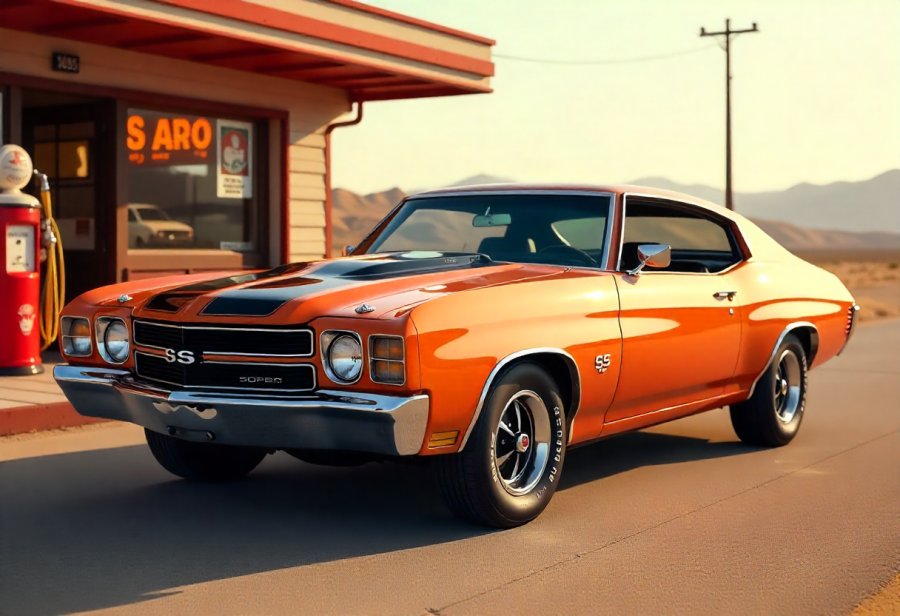
Enduring Spirit: Reflecting on the Lasting Legacy of the 1970s Chevrolet SS
The legacy of the 1970s Chevrolet SS stands as a powerful symbol of American muscle car ingenuity and spirit. Its combination of raw horsepower, aggressive styling, and cultural impact set a standard that still resonates today. These cars weren’t just about speed—they embodied a rebellious attitude and a desire for freedom that defined an entire era. The thunderous growl of the big-block V8 and their muscular, bold lines created an unforgettable presence, making them timeless icons of American automotive history.
More than just performance machines, these muscle cars reflect a time when innovation and attitude went hand in hand. The Chevelle SS 454, with its legendary horsepower and striking design, became a symbol of American craftsmanship and engineering mastery. Their vibrant colors, racing stripes, and wide, muscular stances weren’t merely aesthetic choices—they communicated strength, speed, and individuality. For many enthusiasts, owning or dreaming about these cars is a way to connect with the golden age of performance and rebellion.
Today, the enduring appeal of the Chevrolet SS is kept alive through passionate restorations, vibrant car shows, and cultural celebrations. Enthusiasts share stories, display their restored classics, and gather at events that keep the muscle car community thriving. Online forums, social media groups, and virtual showcases connect fans across the globe, making the history and craftsmanship of these vehicles accessible to new generations. Every polished engine and carefully restored detail helps preserve a piece of American automotive culture that continues to inspire.
Beyond their physical presence, muscle cars have left an indelible mark on pop culture—movies, music, and media have immortalized their roar and rebellious image. They symbolize freedom, daring, and craftsmanship—values that still resonate today. Each restored vehicle and shared story fuels this ongoing legacy, reminding us that the spirit of muscle cars remains alive and louder than ever, inspiring new enthusiasts to embrace the thrill of performance.
In the end, the story of the Chevrolet SS is one of innovation, attitude, and timeless appeal. It reminds us that muscle doesn’t fade; it simply fuels new generations’ passion. These cars stand as enduring symbols of an era when pushing limits was a matter of pride and identity. Their legacy, carried forward by restorers, collectors, and fans worldwide, proves that true muscle is eternal. The roar may have quieted on the streets, but the power and spirit of these machines continue to echo, making their mark on automotive history for years to come.