




Permeable pavers are revolutionizing urban water management, offering a sustainable alternative to traditional surfaces that often exacerbate flooding. By allowing rainwater to naturally infiltrate the soil, these eco-friendly solutions help prevent water pooling, ease pressure on drainage systems, and support groundwater recharge—vital as cities face increasing climate unpredictability. But how do these surfaces perform in real-world conditions? Advanced materials and innovative designs have transformed early gravel-based systems into durable, stylish options suitable for high-traffic areas. Their aesthetic versatility and environmental benefits make permeable pavers a cornerstone of resilient urban planning. Yet, installation intricacies and maintenance challenges raise questions about long-term effectiveness. Future innovations promise smarter, clog-resistant, sensor-equipped systems that adapt to climate challenges, raising the bar for sustainable development. As cities embrace green infrastructure, permeable paving stands at the forefront of building smarter, flood-resistant communities—are we ready to harness its full potential?
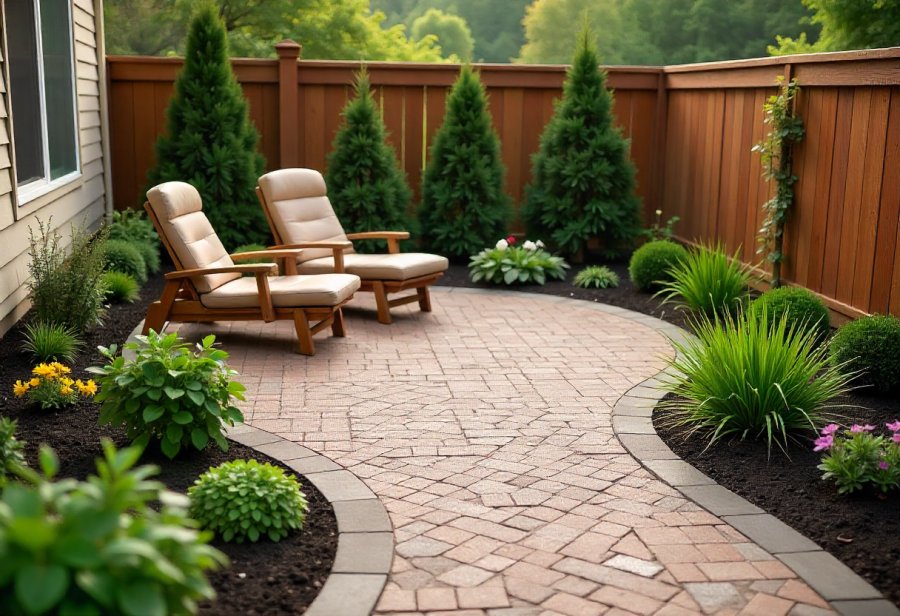
Revolutionizing Urban Water Management with Permeable Pavers
Permeable pavers are changing the way cities and communities handle stormwater. Unlike traditional concrete or asphalt surfaces, these specially designed paving systems allow rainwater to pass through their surfaces and seep into the ground below. This natural infiltration reduces runoff, helping to prevent urban flooding during heavy storms. By letting water naturally recharge the soil, permeable pavers play a vital role in creating more resilient and sustainable urban environments.
These surfaces do more than just manage rainwater. They support healthier ecosystems by filtering pollutants from runoff before it reaches waterways or groundwater sources. As urban areas expand and weather patterns become more unpredictable, permeable paving provides a practical, eco-friendly solution to the increasing challenge of stormwater management. They help ease pressure on existing drainage systems, reducing the risk of overwhelmed infrastructure and water pooling in streets and public spaces.
The development of permeable pavers has evolved significantly over time. Early versions relied on simple gravel or open-grid designs, primarily used in rural or industrial settings. Advances in materials—such as porous concrete, interlocking modules, and eco-friendly composites—have made these surfaces more durable and adaptable for urban use. Today’s permeable pavers can withstand heavy traffic, harsh weather, and clogging, making them suitable for a wide range of applications from parking lots to public plazas.
In addition to their functional benefits, permeable pavers offer aesthetic flexibility. They come in various styles, colors, and patterns, allowing designers to seamlessly integrate them into cityscapes, parks, and residential areas. Their visual appeal encourages broader adoption, helping communities to incorporate water management features without sacrificing design quality. As environmental awareness grows, more property owners and municipalities are recognizing permeable paving as a key element of sustainable urban planning.
While challenges like installation complexity and maintenance exist, ongoing innovations are addressing these issues. Proper installation—such as preparing a stable base and ensuring correct joint filling—ensures long-term performance. Regular debris removal and inspections help maintain permeability and prevent clogging. As cities continue to prioritize climate resilience and water conservation, permeable pavers stand out as a simple yet powerful tool for building smarter, greener communities.
From Gravel to High-Tech: The Evolution of Permeable Paving
The evolution of permeable paving solutions reflects a journey from simple beginnings to sophisticated urban infrastructure. Early designs mainly consisted of gravel or open-grid systems that allowed water to naturally infiltrate the ground. These solutions served rural areas and industrial sites well enough but soon proved limited as cities expanded and faced more intense flooding issues. Engineers recognized the need for more advanced materials and better performance, sparking a wave of innovation aimed at overcoming those early constraints.
Over time, the focus shifted toward creating durable, high-performance materials capable of withstanding the stresses of urban environments. Modern permeable pavers now incorporate porous concrete, interlocking modules, and eco-friendly composites that offer improved permeability and resilience. These advancements have made it possible for permeable surfaces to handle heavy traffic loads, resist clogging, and endure harsh weather conditions, broadening their application in city planning. Enhanced installation techniques and material science innovations have further increased their reliability and ease of maintenance, encouraging wider adoption.
On Thornhill Bard, Ron Torres provides additional insight in the article Transforming Cities with Eco-Friendly Permeable Pavers for Flood Resilience.
Material development has played a pivotal role in this progression. Early porous concrete, while effective in light-duty applications, often struggled under heavy loads or in freeze-thaw cycles. Today’s engineers use high-performance mixes, recycled materials, and modular designs that resist weathering and clogging, extending the lifespan of permeable systems. These innovations also help reduce long-term costs and environmental impact, aligning with growing sustainability goals. As a result, permeable paving has shifted from a niche solution to a mainstream component of urban infrastructure.
The rise of environmental awareness and shifting policies have fueled this evolution. As cities confront climate change-related challenges like flooding and water scarcity, permeable paving has become a vital part of sustainable infrastructure strategies. Governments and municipalities now promote or require permeable surfaces in new developments and public projects, recognizing their role in creating resilient, climate-adapted cities. This policy support accelerates research, funding, and innovation, ensuring that permeable paving continues to improve and adapt to changing urban needs.
Looking ahead, ongoing research and technological breakthroughs promise even smarter, more durable permeable surfaces. Advances in composite materials, clog-resistant designs, and integrated sensor systems for real-time monitoring are shaping the future of permeable paving. These innovations will help cities better manage stormwater, prevent clogging, and extend system lifespans, making permeable paving an indispensable tool for sustainable urban growth. As climate challenges grow more urgent, the continuous evolution of permeable solutions will be essential in building resilient, water-conscious cities for generations to come.
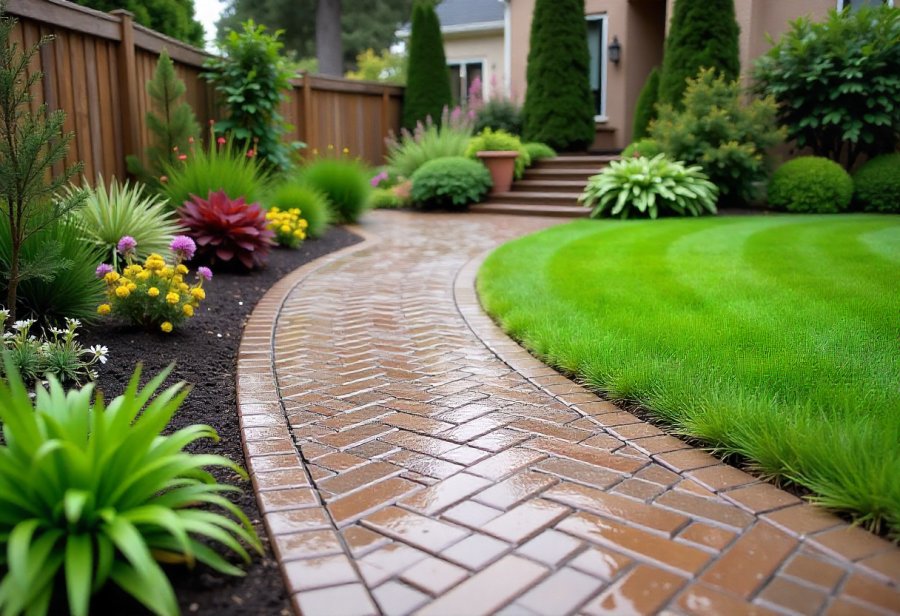
Modern Permeable Pavers: Styles, Standards, and Urban Applications
Modern permeable pavers come in a variety of styles tailored to meet diverse urban needs and aesthetic preferences. Porous concrete remains a popular choice for driveways and parking lots thanks to its combination of strength and water permeability. Interlocking concrete pavers, available in many shapes and colors, are widely used for walkways, patios, and public spaces, offering both stability and visual appeal. Pervious asphalt is another effective option, especially suited for roads and large parking areas, as it allows rapid water infiltration while supporting heavy traffic loads.
Standards for permeable pavers prioritize key qualities such as permeability rates, structural stability, and ease of installation. Ensuring water quickly passes through these surfaces helps reduce runoff during storms, while durability guarantees they withstand vehicular loads and weathering over time. Maintenance practices like debris removal are integral to maintaining permeability and preventing clogging. Testing protocols measure permeability and load capacity, providing confidence that products will perform reliably under real-world conditions.
This concept is further developed in May Campbell‘s article Implement Permeable Pavers Today and Avoid Costly Flooding Damage! published on Joy Strike Zone.
The scope of permeable paver applications has expanded significantly across urban infrastructure. They are increasingly used in parking lots to manage stormwater and improve water quality, in sidewalks to facilitate drainage, and in landscaping projects like garden paths and outdoor seating areas. Municipalities especially benefit from their ability to alleviate pressure on traditional drainage systems in flood-prone zones, making them a versatile and practical solution for both new developments and retrofit projects. Their adaptability allows for seamless integration into diverse urban environments, blending functionality with aesthetic considerations.
Choosing the right type depends on specific project demands. Porous concrete suits high-traffic zones due to its durability, while interlocking pavers offer flexibility and a wide range of design options, ideal for varied urban settings. Pervious asphalt often provides a cost-effective solution for large-scale roadways. Balancing permeability with structural strength remains central, and ongoing material innovations continue to enhance performance and longevity. Proper installation, including a stable base and correct joint filling, is essential to maximize effectiveness and lifespan.
Despite their many benefits, permeable pavers require careful installation and regular maintenance. A well-prepared base layer and proper edge restraints prevent shifting and maintain surface integrity. Routine debris removal, inspections, and occasional gentle cleaning ensure continued permeability by preventing clogging. Site-specific conditions like soil type and climate influence design choices, prompting adaptations such as additional drainage layers or increased base thickness. Emphasizing proper care and timely interventions helps ensure these surfaces deliver their full water management potential over the long term.
Mastering Implementation: Planning, Installing, and Maintaining Permeable Paving Systems
Planning and installing permeable pavers begins with a clear assessment of the site’s conditions. Understanding the soil type and existing drainage capacity helps determine whether the ground can support the system and allow water to infiltrate effectively. Soils with high clay content or compaction may require amendments or additional base layers to prevent pooling and ensure proper drainage. Selecting the appropriate type of permeable paver—whether porous concrete, interlocking grids, or pervious asphalt—depends on traffic expectations, aesthetic goals, and environmental factors. A well-designed plan that considers these elements sets the foundation for success.
Proper installation hinges on precision and attention to detail. Excavating the existing surface to the right depth creates the necessary space for a stable base. Laying a geotextile fabric beneath the base layer prevents soil movement and maintains permeability. A compacted layer of crushed gravel or aggregate forms a solid foundation that supports the pavers and facilitates water flow. Edge restraints are vital—they keep the pavers in place and maintain their shape under traffic or footfall. Following manufacturer instructions carefully during installation ensures joints are properly filled and pavers are evenly laid, which enhances durability and permeability.
Once installed, ongoing maintenance keeps permeable pavers functioning optimally. Regular sweeping removes leaves, dirt, and debris that could clog the pores or joints. Periodic inspections help identify sediment buildup early, so it can be removed before it impairs water infiltration. Gentle power washing or vacuuming can restore permeability without damaging the surface. Maintaining a buffer zone with vegetation around the paved area can also filter runoff and reduce debris entering the system, prolonging its effectiveness.
Combat Urban Flooding Now with Innovative Permeable Paver Solutions! is a relevant article by Lawson Zimmerman available on Blog Story Lines.
Addressing site-specific challenges early on can prevent long-term issues. For example, in areas with heavy rainfall or less permeable soils, adding a drainage layer beneath the surface improves water flow. Increasing the base thickness or choosing more resilient materials accounts for heavy traffic or challenging climate conditions. Proper design adjustments, combined with knowledgeable installation, ensure the system performs reliably over time. Staying informed about local regulations and standards, which often specify permeability rates and installation practices, helps guarantee compliance and optimal results.
Cities like Portland and Melbourne exemplify the importance of meticulous planning and skilled execution. Their success stories highlight the need for thorough site evaluation, proper base preparation, and regular upkeep. These examples demonstrate that a combination of careful planning and consistent maintenance can maximize the benefits of permeable paving—reducing flooding, protecting groundwater, and enhancing urban resilience.
Maintenance is not a one-time task; it’s an ongoing process. Regular debris removal and inspections prevent clogging and preserve permeability. In cases of severe sediment buildup, gentle cleaning methods like power washing help restore water flow without damaging the surface. Monitoring site conditions, especially after storms, allows for early intervention if issues arise. Proper maintenance extends the lifespan of the system, maintains its effectiveness, and protects your investment in sustainable infrastructure.
Understanding these steps and committing to diligent care ensures permeable pavers continue to deliver their water management benefits year after year. Thoughtful planning, precise installation, and consistent upkeep create a reliable system that effectively reduces runoff, prevents flooding, and supports healthier urban ecosystems. When property owners and city planners prioritize these principles, permeable paving becomes a cornerstone of resilient, water-conscious communities.
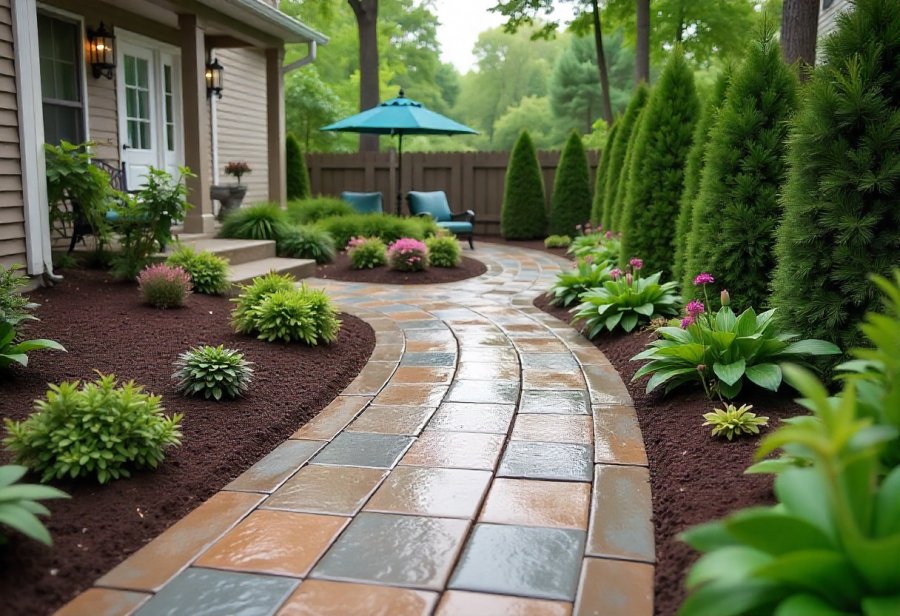
Innovating for the Future: Trends and Technologies Shaping Permeable Paving
The future of permeable paving looks bright, driven by ongoing technological advancements and a growing commitment to sustainable urban development. Researchers are developing innovative porous composites that resist clogging and weathering, ensuring these surfaces remain durable and effective over the long term. Enhanced materials not only improve permeability but also extend lifespan, reducing maintenance needs and increasing cost-efficiency for municipalities and property owners alike.
Smart drainage systems are emerging as a key component of next-generation permeable paving. Equipped with sensors and real-time monitoring technology, these systems can detect blockages, measure water flow, and optimize drainage performance automatically. This integration allows for proactive maintenance, preventing flooding and system failures before they happen, making urban water management more reliable and responsive.
Urban planners are increasingly incorporating permeable solutions into broader green infrastructure strategies. As policies evolve to prioritize climate resilience, cities are setting higher standards for permeable surface coverage in new developments. Incentives and regulations will likely make permeable paving a standard feature, transforming it from an optional upgrade into an essential component of sustainable city planning.
Public awareness and community engagement are expected to grow alongside technological progress. When residents understand how permeable pavers help reduce flooding, recharge groundwater, and improve water quality, they become active participants in maintaining and advocating for these systems. Educational initiatives and neighborhood projects will foster a culture of sustainability, encouraging widespread adoption and stewardship.
Customization and adaptability will play a critical role in future permeable paving. Different zones will demand tailored solutions—high-traffic streets will need clog-resistant, high-strength pavers, while parks and residential areas might emphasize aesthetic options that also promote infiltration. Recycled and environmentally friendly materials will dominate new designs, minimizing environmental footprints and aligning with circular economy principles.
Advances in composite materials and clog-resistant technologies will make permeable surfaces more resilient against heavy rainfall, freeze-thaw cycles, and urban pollutants. These innovations will ensure consistent performance even under challenging conditions, broadening their application in climate-sensitive regions and extreme weather zones.
Sensor integration and data analytics will enable cities to manage stormwater infrastructure proactively. Continuous monitoring will provide insights into system health, allowing timely interventions that extend system longevity and effectiveness. This data-driven approach will make urban water management smarter, more efficient, and adaptable to changing climate patterns.
As climate challenges intensify, permeable paving will become indispensable in building resilient, water-conscious cities. Its role in reducing flooding, recharging groundwater, and improving water quality will be central to urban sustainability efforts. Embracing these innovations today sets the stage for cities that are better equipped to face tomorrow’s environmental uncertainties, ensuring healthier, greener communities for generations to come.