




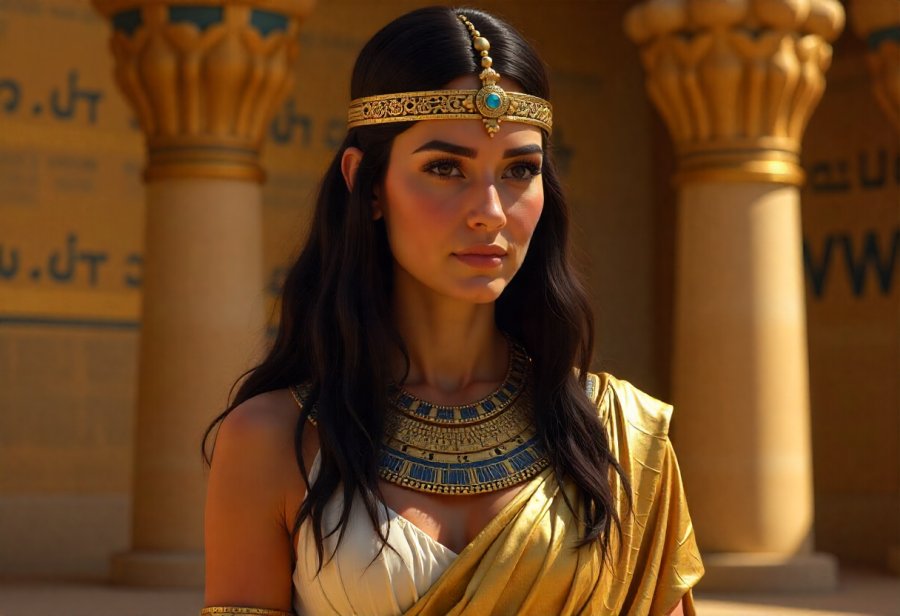
Cleopatra VII is often celebrated for her allure and romanticized tales, but beneath the surface lies a ruler whose true power was rooted in her formidable intellect and strategic mastery. Could her legacy be defined more by her sharp mind than her beauty? This portrayal reveals a leader adept at navigating a turbulent political landscape, forging alliances with Rome’s giants through careful diplomacy and cultural finesse. Educated in languages, philosophy, and governance, Cleopatra’s leadership was fueled by her ability to think several steps ahead—leveraging knowledge, influence, and innovation to preserve Egypt’s independence. Her patronage of the Library of Alexandria and support for scholars exemplified her belief that wisdom was her greatest weapon. Her story challenges us to see leadership as a game of strategic insight and resilience, proving that true power resides within the mind—an asset capable of shaping history far beyond the grandeur of her image.
Unveiling Cleopatra: A Queen Driven by Strategy and Intelligence
Cleopatra VII is often remembered for her beauty and the romantic stories that have captured popular imagination, but beneath those surface details was a ruler whose true strength lay in her sharp mind and strategic thinking. She navigated a turbulent political landscape filled with internal rivalries and external threats, especially from the expanding power of Rome. Doing so required more than charm or appearance; it demanded intelligence, diplomacy, and a keen sense of timing. Cleopatra’s leadership was defined by her ability to adapt quickly, forge alliances, and outthink her enemies, ensuring her kingdom’s survival in a world dominated by larger empires.
Far from the romanticized image often portrayed, Cleopatra’s legacy is rooted in her mastery of statecraft. She was a strategic thinker who understood that power came from influence, negotiation, and cultural finesse. Her alliances with Julius Caesar and Mark Antony were not simply matters of romance—they were carefully calculated moves rooted in her deep understanding of Rome’s influence and her desire to preserve Egyptian independence. Her ability to read her opponents and respond with precision made her a formidable political player.
Her education played a crucial role in shaping her as a ruler. Born into the Macedonian Ptolemaic dynasty, she was well-versed in languages, philosophy, and politics from a young age. Multilingual and knowledgeable in various fields, she could communicate directly with diverse audiences and negotiate on equal footing with powerful figures of her time. This intellectual foundation enabled her to navigate the complex web of internal court intrigues and external diplomatic pressures with confidence.
Cleopatra’s leadership style balanced respect for Egyptian traditions with innovative thinking. She recognized the importance of religious and cultural legitimacy but also embraced new ideas to adapt to changing circumstances. This ability to blend tradition with modern strategies made her resilient and versatile, capable of managing internal rivalries while confronting external threats. Her strategic agility—whether in military affairs, diplomacy, or cultural diplomacy—set her apart as a ruler who relied on her mind as much as her throne.
What truly distinguished Cleopatra was her ability to leverage her intelligence as a tool of power. Fluent in multiple languages, she communicated directly with her subjects and allies, reducing reliance on intermediaries. Her patronage of learning and scholarship, including support for the Library of Alexandria, reflected her belief that knowledge was a vital strength. This cultivated a cultural environment that reinforced her authority and cultural sophistication, extending her influence far beyond politics alone.
Cleopatra’s Roots: A Legacy of Greek-Egyptian Power and Turbulent Politics
Cleopatra VII was born into the Ptolemaic dynasty, a Greek royal family that came to power in Egypt after Alexander the Great’s empire fragmented. Her lineage traced back to Macedonian rulers, blending Greek culture with Egypt’s ancient traditions. From an early age, she received a rigorous education that covered language, politics, philosophy, and sciences—an uncommon privilege for women of her time. This broad learning set her apart as a highly educated and intellectually sharp leader, shaping her approach to governance.
Egypt during Cleopatra’s reign was a land at a crossroads of history. The Ptolemaic rulers, though Greek in origin, adopted many Egyptian customs to legitimize their rule. However, internal rivalries and court intrigue were constant, fueling political instability. External threats loomed as Rome expanded its influence across the Mediterranean, making Egypt’s sovereignty fragile. Cleopatra inherited this turbulent environment, where survival depended on her ability to navigate complex alliances and rivalries with both internal factions and foreign powers.
Her ascent to the throne was marked by chaos following her father Ptolemy XII’s death. She co-ruled briefly with her younger brother Ptolemy XIII, but their rivalry quickly escalated into conflict. Recognizing the importance of strategic alliances, Cleopatra used her intelligence and diplomatic skills to outmaneuver her rivals and secure her position. Her early mastery of political maneuvering laid the foundation for a leadership style rooted in foresight, adaptability, and cultural diplomacy.
Central to her strategy was her relationship with Rome, then the rising superpower. Cleopatra understood that aligning with influential Roman figures could safeguard her reign and preserve Egypt’s independence. Her alliance with Julius Caesar was a calculated move to stabilize her rule and counter internal enemies. Later, her partnership with Mark Antony extended her influence beyond Egypt’s borders. These alliances were not based on romance alone but on a keen understanding of regional power dynamics and her own political needs.
Her scholarly pursuits and linguistic skills further strengthened her leadership. Fluent in multiple languages, including Egyptian, Greek, and Latin, she communicated directly with diverse audiences, reducing reliance on intermediaries. Her patronage of the Library of Alexandria and support for scholars reflected her belief that knowledge was a vital source of strength. This emphasis on learning not only elevated Egypt’s cultural stature but also reinforced her authority as a ruler who valued wisdom and innovation.
Cleopatra’s background, education, and political acuity reveal a leader deeply rooted in strategic thinking. She balanced tradition with modern ideas, using her inherited brilliance and sharp mind to adapt to shifting circumstances. Her ability to read her environment, forge alliances, and wield influence through intelligence made her a resilient and formidable ruler. Her legacy endures as a testament to how intellectual mastery and strategic vision can shape history’s course.
The Mind Behind the Crown: How Cleopatra’s Intelligence Shaped Her Leadership
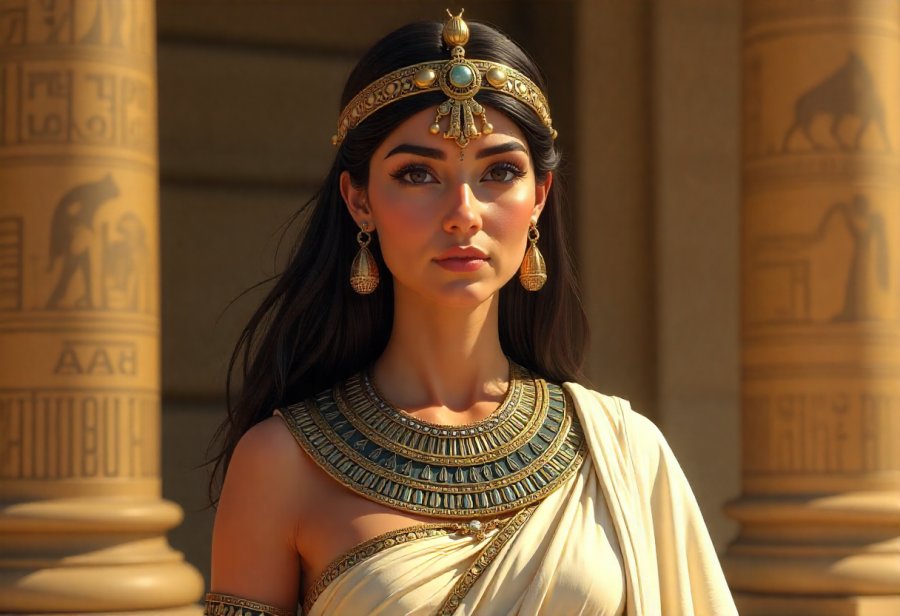
Cleopatra’s intelligence was the cornerstone of her leadership and the key to her enduring legacy. She was far more than a charismatic figure of beauty; she was a shrewd strategist who understood the delicate art of political influence. Her ability to assess her rivals, anticipate their moves, and respond with precision kept her steps ahead in a world dominated by larger empires. Whether forging alliances or negotiating treaties, her decisions were rooted in a deep understanding of human nature and the subtle dynamics of power.
Her mastery extended beyond diplomacy into her linguistic skills. Fluent in multiple languages—including Egyptian, Greek, and Latin—she communicated directly with her diverse allies and enemies. This linguistic proficiency wasn’t just cultural; it was a strategic tool that minimized misunderstandings, built trust, and demonstrated her cultural sophistication. Speaking directly to her counterparts allowed her to shape negotiations on her own terms, reinforcing her authority and influence.
Supporting the legendary Library of Alexandria was another expression of her intellectual power. She patronized scholars, scientists, and philosophers, creating an environment where knowledge flourished. This commitment to learning elevated Egypt’s cultural prestige and reinforced her image as a ruler rooted in wisdom. She believed that knowledge was a vital form of strength, capable of shaping her influence far beyond immediate political gains, ensuring her legacy as a patron of enlightenment and innovation.
Her education was broad and rigorous, covering philosophy, mathematics, governance, and languages. This extensive learning gave her a confidence and depth of insight that many of her contemporaries lacked. She understood that leadership required more than military might; it demanded insight into human motivations, cultural traditions, and diplomatic nuance. Her intellectual pursuits weren’t personal hobbies—they were strategic tools, helping her influence and secure her position in a volatile political landscape.
Born into the Macedonian Ptolemaic dynasty, Cleopatra inherited a tradition of tactical thinking and political acumen. Her sharp mind was complemented by her ability to adapt to shifting circumstances. She viewed leadership as a game of timing, influence, and psychological insight—traits she refined through her education and experience. This inherited brilliance, combined with her own strategic mindset, allowed her to navigate internal rivalries and external threats with resilience and skill.
Cleopatra’s ability to think several moves ahead made her a resilient and formidable ruler. She understood that long-term stability depended on influence, cultural diplomacy, and psychological insight. Her intelligence was her greatest weapon—one she wielded to shape history, outmaneuver her enemies, and forge a legacy rooted in strategic mastery. Her story underscores that true leadership flows from mental agility and the capacity to influence through knowledge and resilience.
Legacy of the Wise Queen: How Cleopatra’s Mental Power Transformed History
Cleopatra’s reputation as a brilliant strategist and scholar has left a lasting mark on leadership history. Her intelligence and diplomatic finesse didn’t just help her preserve Egypt amid turbulent times—they set a benchmark rooted in wisdom, foresight, and cultural diplomacy. Her skill in forging alliances, outmaneuvering rivals, and adapting to shifting political landscapes demonstrated that influence hinges on understanding people, cultures, and timing. Cleopatra understood that true power stemmed from mental agility and strategic insight, qualities that allowed her to shape her legacy far beyond her reign.
Her influence resonates through the ages, inspiring ideas about leadership that extend beyond gender and era. Cleopatra proved that intellectual strength, resilience, and cunning could surpass brute force or superficial charm. Her mastery of regional and Roman politics showed that strategic thinking and cultural awareness are vital tools for enduring impact. Many female leaders who followed looked to her example, recognizing that authority can be built on knowledge, influence, and the ability to think several steps ahead—not just societal expectations or stereotypes.
Supporting the legendary Library of Alexandria and fostering a vibrant scholarly environment, Cleopatra redefined what leadership could embody. She demonstrated that knowledge isn’t simply personal enrichment but a strategic asset that elevates influence and sustains power. Her patronage of scientists, philosophers, and artists created a cultural renaissance that bolstered Egypt’s prestige and her own legacy. This commitment to learning reinforced her image as a ruler who valued wisdom and innovation, inspiring future generations to see education as a cornerstone of leadership.
Over time, Cleopatra’s image evolved from that of a romantic figure to a symbol of intellectual mastery and strategic brilliance. Modern scholars highlight her ability to leverage intelligence to forge, sustain, and expand her influence, often in worlds dominated by larger, more militarized powers. Her story underscores that leadership rooted in mental agility, cultural diplomacy, and resilience can be just as powerful as military might. Her example urges leaders to prioritize strategic thinking, cultural understanding, and adaptability—traits that forge a lasting legacy.
Her emphasis on cultural diplomacy and knowledge allowed her to bridge divides that might have limited her influence. Speaking multiple languages and championing scholarly pursuits, she built bridges across different factions and cultures, strengthening her position. Her patronage of the arts and sciences wasn’t merely personal interest; it was a deliberate strategy to project strength through enlightenment and innovation. These actions cemented her role as a leader who understood that influence is deeply tied to the power of ideas and understanding.
Today, Cleopatra’s legacy reminds us that enduring leadership depends on the strength of the mind. Her ability to think critically, act wisely, and adapt swiftly in a complex world exemplifies the timeless value of strategic brilliance. Her story encourages modern leaders to develop resilience, cultural awareness, and mental agility—traits that help shape a legacy that can influence history long after the reign has ended. Cleopatra showed that the deepest power resides within the mind, capable of shaping the course of history through insight, influence, and resilience.
The Enduring Influence of Cleopatra’s Mind: Leadership’s Deepest Power
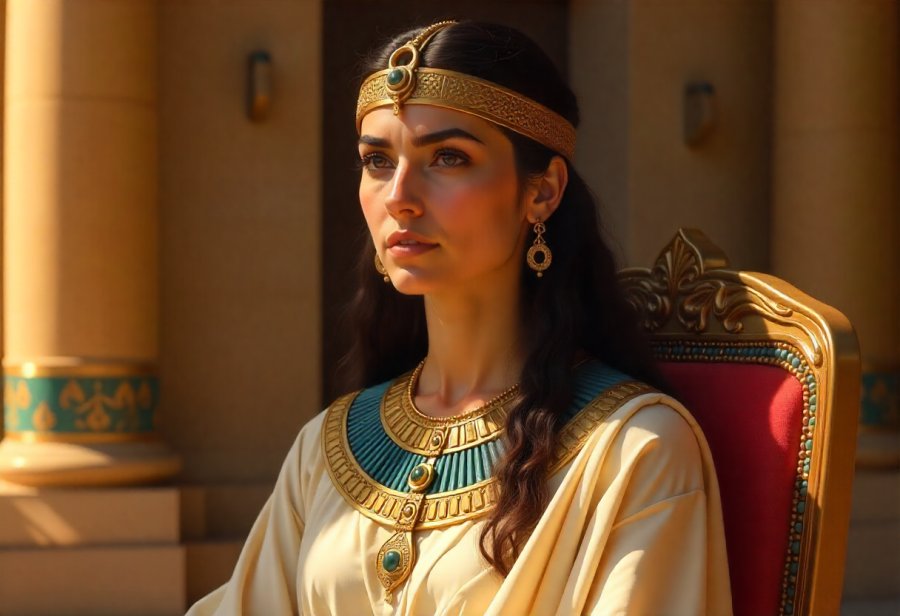
Cleopatra’s legacy extends far beyond her famed beauty or the romantic tales that have overshadowed her true achievements. At its core, her most enduring power lay in her sharp mind, strategic brilliance, and diplomatic finesse. She understood that effective leadership in a complex world depended on influence, timing, and the ability to anticipate several moves ahead. Through forging strategic alliances, navigating treacherous political waters, and adapting swiftly to changing circumstances, she demonstrated that intelligence was her greatest asset.
Her ability to influence through knowledge and cultural diplomacy set her apart from many rulers of her time. Speaking multiple languages and supporting scholarly pursuits, Cleopatra cultivated a legacy rooted in wisdom and learning. Her patronage of the Library of Alexandria and her encouragement of scientists and philosophers showcased her belief that knowledge was a vital source of strength—one that could elevate her influence and secure her kingdom’s future. This emphasis on education and cultural sophistication became a cornerstone of her leadership.
Cleopatra’s background and sharp strategic mindset reveal a leader who understood that true power isn’t just about military might or superficial charm. It’s about mental agility, resilience, and the capacity to see and act on opportunities long before others recognize them. Her inherited tactical brilliance, combined with her own insightful mind, allowed her to navigate internal rivalries and external threats with remarkable resilience. Her ability to think several moves ahead made her a formidable figure whose influence extended well beyond her reign.
Her story underscores the timeless importance of strategic thinking and intellectual mastery in leadership. Cleopatra’s influence was rooted in her capacity to understand people, cultures, and the nuances of timing—traits that enabled her to shape history itself. She demonstrated that influence built on intelligence, cultural awareness, and adaptability can leave a legacy that endures beyond the constraints of the moment.
By prioritizing knowledge and fostering a culture of learning, Cleopatra redefined what leadership could look like. Her patronage of arts and sciences created a cultural renaissance that reinforced her authority and inspired future generations. Her understanding that influence is deeply tied to the power of ideas and understanding made her a pioneer, showing that wisdom and innovation are as vital as strength and strategy.
Her legacy continues to resonate today, reminding us that the strongest leaders are those who leverage their mental capacities to influence, persuade, and inspire. Cleopatra’s ability to think critically, act with wisdom, and remain resilient under pressure exemplifies the enduring value of strategic brilliance. She proved that the deepest form of power resides within the mind—an asset that, when cultivated, can shape history and inspire generations.
In embracing her example, modern leaders are encouraged to develop resilience, cultural awareness, and mental agility. Cleopatra’s story demonstrates that influence rooted in intelligence and strategic foresight is a timeless force—capable of shaping not only their own legacy but also the course of history itself. Her life remains a testament to the extraordinary power of the mind, proving that true leadership is ultimately a matter of insight, influence, and resilience.