




In today’s fast-paced business environment, the need for seamless, customizable communication systems has never been greater. Grandstream’s innovative telephony devices and centralized management platforms redefine what’s possible, transforming traditional voice networks into agile, scalable assets. But how can organizations unlock the full potential of these tools to boost efficiency and foster growth? This compelling overview reveals how tailored IP phones, like the GRP series, coupled with cloud-based management through platforms like GDMS, enable rapid deployment, remote configuration, and robust security—all while supporting long-term expansion. The shift from basic landlines to high-definition, feature-rich IP solutions not only streamlines operations but also elevates customer experience, creating a strategic advantage. As the digital landscape evolves, leveraging these cutting-edge solutions becomes less of an option and more of a necessity—so why wait to turn everyday calls into powerful growth opportunities?
Harness the Power of Customizable Telephony for Business Success
In the modern business landscape, clear and reliable communication isn’t just a perk—it’s a core driver of success. Companies today face the challenge of managing complex workflows, supporting remote teams, and maintaining a professional image across all touchpoints. That’s where customizable telephony solutions come in, turning traditional voice systems into flexible tools tailored to specific needs. By designing a phone system that aligns with your unique operations, you can streamline processes, improve collaboration, and deliver a more polished experience to clients and staff alike.
Unlike generic, off-the-shelf options, personalized telephony setups give you control over features like call routing, voicemail handling, and device configurations. This level of customization means your communication tools aren’t just functional—they’re optimized for your business. Whether you operate multiple locations or handle high call volumes, a tailored system helps keep conversations clear and responsive, reducing frustration and technical issues. It turns your phone system into a strategic asset that supports daily operations and long-term growth.
One of the biggest advantages of these solutions is their scalability. As your business expands or shifts, your telephony system can evolve with you. Adding new lines, features, or locations doesn’t require a complete overhaul—it’s a matter of adjusting settings or deploying new devices with minimal downtime. This adaptability ensures your communication infrastructure remains agile, capable of responding swiftly to market changes or organizational growth without disrupting service.
Personalization also enhances the user experience for employees and customers. Staff members can have phones configured for quick access to their most important contacts or dedicated features, speeding up workflows and reducing misdials. Customers benefit from consistent, professional interactions that feel tailored to their needs, fostering trust and loyalty. When communication feels personalized and efficient, it reinforces your brand’s reputation and strengthens relationships.
Implementing a customized telephony system isn’t just about immediate benefits; it’s a strategic move that supports your long-term vision. Modern solutions often integrate seamlessly with other business tools like CRM platforms or collaboration apps, creating a unified communication environment. This integration simplifies training, reduces the need for multiple systems, and allows your team to work more cohesively. In today’s competitive landscape, having a flexible, integrated communication network can be a key differentiator.
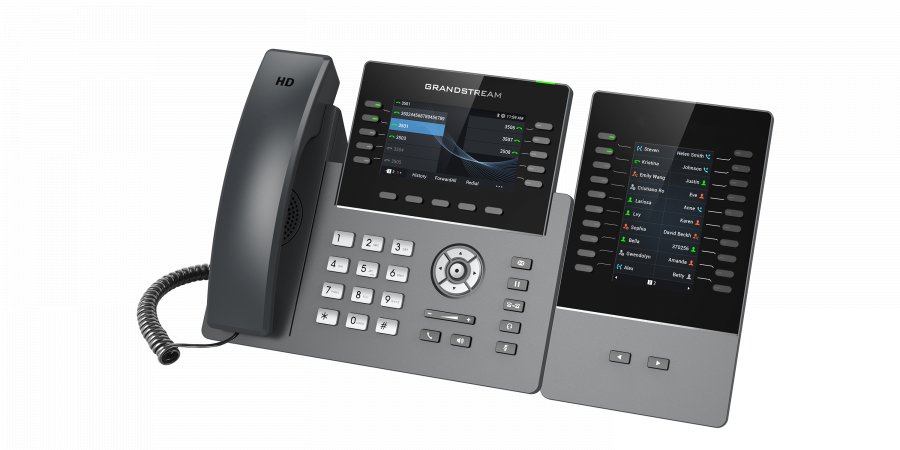
Choosing the right hardware plays a crucial role in unlocking these advantages. Devices like Grandstream’s IP phones are designed for easy deployment and extensive customization. With centralized management platforms, you can configure, monitor, and update multiple devices remotely, saving time and resources. This streamlined approach ensures your communication system remains reliable, efficient, and ready to grow alongside your business. Tailoring your telephony setup with the right tools ultimately turns everyday calls into powerful opportunities for growth and connection.

Unlock the Evolution of Telephony and Network Efficiency
Telephony has undergone a remarkable transformation from its humble beginnings to the sophisticated digital networks we rely on today. Originally, voice communication depended on analog signals transmitted over copper wires, offering basic, static voice quality. As technology progressed, devices like rotary phones gave way to push-button models, making dialing faster and more reliable. The true turning point came with the advent of digital technology and, eventually, Voice over Internet Protocol (VoIP), which shifted voice conversations onto the internet. This move not only reduced costs but also unlocked new possibilities for scalability and integration, setting the stage for modern business communication.
Understanding the core concepts behind today’s telephony systems helps organizations optimize their use. At their foundation, these systems involve transmitting voice signals through various mediums—traditional copper lines or internet-based protocols like VoIP. Call routing ensures incoming calls reach the right department quickly, while voicemail provides a safety net for messages that can be retrieved later. Call quality depends heavily on bandwidth; higher bandwidth ensures clearer, more reliable conversations, especially during high-volume periods. Proper device provisioning, meanwhile, guarantees that phones and endpoints are configured correctly within the network, preventing disruptions and ensuring seamless operation.
The hardware powering these systems has also evolved significantly. Early landline phones were bulky and limited to simple voice calls. The introduction of cordless phones improved mobility, allowing users to move around while staying connected. Today, IP phones support high-definition audio, multiple lines, and extensive customization options. These devices are designed for easy configuration and management, often through centralized platforms, which simplifies large deployments. This transition from basic voice tools to feature-rich communication hubs enables businesses to create personalized, efficient environments that grow alongside their needs.
Deploying telephony solutions effectively requires strategic planning. Some organizations prefer on-premises setups, where hardware like PBX servers and IP phones are installed locally, giving them full control but demanding ongoing maintenance. Others opt for cloud-based systems, which offer greater flexibility, easier management, and rapid scalability—especially valuable for remote teams or expanding businesses. Hybrid models combine both approaches, keeping sensitive functions on-site while leveraging cloud services for scalability and remote access. Selecting the right deployment method depends on budget, infrastructure, and future growth plans, ensuring the system fits the organization’s unique needs.
Industry standards and protocols underpin the interoperability, security, and future-proofing of modern telephony. Protocols like SIP (Session Initiation Protocol) enable devices from different vendors to communicate seamlessly, creating a cohesive ecosystem. Cloud management platforms such as GDMS allow administrators to oversee all devices from a single interface, regardless of location. Encryption protocols like SRTP and TLS safeguard conversations from eavesdropping and tampering, maintaining confidentiality. Adhering to these standards ensures a resilient, flexible network capable of supporting evolving technologies and expanding organizational requirements.
The shift toward digital and internet-based telephony has fundamentally changed how businesses operate. It enables rapid deployment of new features, supports remote and hybrid work models, and significantly reduces operational costs. This evolution also paves the way for integrated communication platforms that combine voice, video, messaging, and collaboration tools into unified environments. As organizations adopt these technologies, they become more responsive and efficient, transforming their communication systems from simple tools into strategic assets that drive growth, improve customer experience, and keep them competitive in a fast-changing digital landscape.
Revolutionize Your Business Communication with Cutting-Edge Solutions
Today’s business communication landscape is changing faster than ever, driven by innovative solutions that make telephony more flexible, scalable, and responsive. Many organizations still rely on traditional landline systems, which can feel outdated amid the demands for mobility and instant connectivity. Cloud-managed systems are revolutionizing deployment and management, allowing companies to add users and features on the fly. This agility not only cuts costs but also helps businesses adapt quickly to market shifts or growth opportunities, keeping them competitive in an increasingly digital world.
Smart IP devices, such as Grandstream’s IP phones, are at the forefront of this transformation. These devices come equipped with high-definition audio, customizable interfaces, and seamless integration with collaboration tools. Their remote configuration and management capabilities enable IT teams to deploy or modify hundreds of endpoints without physically visiting each device. This ease of management reduces downtime, streamlines maintenance, and makes scaling across multiple locations straightforward—saving both time and resources.
Beyond hardware, unified communication platforms are integrating voice, video, messaging, and collaboration into a single interface. This consolidation simplifies workflows, allowing teams to handle calls, chats, and screen sharing from one centralized dashboard. AI-powered analytics offer insights into call patterns and customer preferences, helping organizations optimize resources and elevate service quality. These platforms turn communication tools from simple utilities into strategic assets that enhance productivity and customer engagement.
Choosing the right deployment approach depends on organizational needs. Small businesses often find cloud-based VoIP solutions with advanced IP phones sufficient and cost-effective. Larger enterprises may prefer hybrid models—keeping sensitive functions on-premises while leveraging cloud services for scalability and remote access. Devices like Grandstream’s GRP series support mass deployment, centralized control, and quick provisioning, making expansion seamless and efficient.
Industry standards and protocols underpin these innovations, ensuring compatibility and future-proofing. Protocols such as SIP facilitate device interoperability across different vendors, creating a cohesive ecosystem. Cloud management platforms like GDMS enable administrators to oversee all devices from a single dashboard, regardless of location. Encryption protocols like SRTP and TLS protect conversations from eavesdropping, maintaining confidentiality and trust. Adhering to these standards ensures a resilient, adaptable network that can support evolving technologies and organizational growth.
The move toward digital, internet-based telephony has fundamentally reshaped how businesses operate. It allows for rapid feature deployment, supports remote and hybrid work models, and significantly reduces operational costs. This evolution paves the way for integrated platforms that combine voice, video, messaging, and collaboration tools into unified environments. As organizations embrace these technologies, they become more responsive, efficient, and better equipped to meet customer expectations, turning their communication systems into key drivers of growth and innovation.
Devices like Grandstream’s IP phones exemplify this shift. Designed for easy deployment and extensive customization, they support high-quality audio, remote management, and open standards compatibility. Their support for centralized control platforms like GDMS simplifies maintenance and security, even across large, distributed networks. This combination of hardware and management tools creates a scalable, resilient communication backbone that adapts to the changing needs of modern business environments.
By integrating innovative hardware with flexible deployment and management solutions, organizations can transform their telephony systems into powerful strategic assets. These advancements streamline communication, enhance service delivery, and enable rapid adaptation to new challenges. In a world where connectivity is king, leveraging the latest in business telephony ensures your network remains not only current but also a competitive advantage, supporting growth and success in a digital-first landscape.

Optimize Communication with Grandstream Devices for Seamless Deployment
Grandstream’s devices are engineered to maximize communication efficiency while making deployment straightforward and scalable. Their range of IP phones, especially the GRP series, is designed for large-scale rollouts, enabling organizations to expand quickly without hassle. The centralized management capabilities through platforms like GDMS allow IT teams to configure, monitor, and update hundreds of devices from a single dashboard, significantly reducing setup time and ongoing maintenance efforts.
Remote provisioning is a key feature that elevates Grandstream’s offerings. With the ability to push firmware updates, security patches, and configuration changes remotely, businesses can respond swiftly to evolving needs without the need to physically access each device. This flexibility is particularly valuable during rapid expansion or when managing multiple locations, ensuring every endpoint remains current, secure, and operational with minimal downtime. It also minimizes the need for on-site technical support, freeing resources for other strategic priorities.
The performance of Grandstream’s IP phones enhances overall communication clarity and professionalism. Supporting high-definition audio and advanced noise reduction, these devices deliver crisp, clear conversations—crucial during critical client interactions. Their customizable interfaces and programmable keys allow users to tailor their phones to specific workflows, speeding up daily tasks and boosting productivity. This level of personalization helps create a more seamless user experience, making everyday communication more efficient.
Security is integrated into every aspect of Grandstream’s device design. Built-in encryption protocols like SRTP and TLS protect voice conversations from eavesdropping and tampering, safeguarding sensitive information. Compatibility with open standards such as SIP ensures these devices work smoothly within diverse existing networks and future upgrades. This interoperability offers peace of mind, knowing that your communication infrastructure is both resilient and adaptable to emerging technologies and evolving organizational needs.
Deploying Grandstream’s devices within your network creates a robust, manageable ecosystem that scales effortlessly. Their support for cloud management platforms like GDMS simplifies oversight, enabling administrators to monitor device health, troubleshoot issues remotely, and perform mass updates seamlessly. This integrated approach not only streamlines maintenance but also enhances security and resilience, ensuring your communication system keeps pace with your growing business. Ultimately, choosing Grandstream empowers organizations to build a flexible, secure, and efficient telephony backbone that supports long-term growth and operational excellence.