




Nylon, a ubiquitous synthetic fiber, has seamlessly woven itself into our daily lives—from clothing and carpets to industrial applications—thanks to its durability and affordability. But beneath this convenience lies a complex environmental story rooted in petrochemical production, which depletes finite resources and releases greenhouse gases. Despite its resilience and long lifespan, nylon’s persistence in landfills creates a legacy of microplastics that infiltrate oceans and ecosystems worldwide, harming wildlife and entering the human food chain. As microfibers shed during washing and wear, they disperse across remote regions like the Arctic and deep oceans, illustrating the far-reaching impact of this synthetic material. While innovations like recycled and bio-based nylons offer hope, scaling sustainable solutions remains a challenge. This tense contrast between nylon’s utility and its ecological cost urges us to reconsider our dependence and push for environmentally responsible alternatives—are we willing to face the true price of convenience?

Unveiling Nylon: Its Ubiquity and Hidden Environmental Toll
Nylon is one of those materials that quietly surrounds us, yet its presence often goes unnoticed. From the clothes we wear and the carpets beneath our feet to fishing lines and car parts, nylon’s versatility makes it an indispensable part of daily life. Since its invention in the mid-20th century, nylon has transformed industries by providing a durable, affordable alternative to natural fibers like silk or cotton. Its ability to stretch, resist wear, and hold its shape has opened up new possibilities for manufacturers and consumers alike, making it a staple in both household and industrial products.
What makes nylon particularly significant isn’t just its functionality—it’s also how dependably it performs over time. Its resistance to moisture, stretching, and abrasion means products last longer and require less maintenance. This durability fuels its widespread use across clothing, outdoor gear, carpets, and industrial applications such as ropes and fishing lines. The affordability of nylon, combined with the speed and scale of its production, has helped it become one of the most common synthetic fibers in the world. Its quick manufacturing cycle allows for mass production that meets the ever-growing demands of global markets, reinforcing its ubiquity.
However, behind the convenience lies a complex environmental story. Nylon’s roots are in petrochemicals, primarily derived from fossil fuels like petroleum and natural gas. The process of transforming these non-renewable resources into synthetic fibers is energy-intensive and involves chemical reactions that release greenhouse gases and pollutants. This reliance on fossil fuels not only depletes finite resources but also contributes significantly to climate change. Every yard of nylon produced carries an environmental cost—hidden in its raw materials, manufacturing, and the long-lasting waste it leaves behind.
Once in use, nylon products face a different set of challenges. Unlike natural fibers that biodegrade within a few years, nylon can persist in landfills for centuries. Its durability means it doesn’t break down easily, and over time, mechanical stresses and environmental factors fragment it into tiny microplastics and fibers. These microfibers are shed during washing and wear, escaping into oceans, rivers, and soils. Marine life often mistakes these fibers for food, leading to injuries or death, while the microplastics enter the food chain, eventually reaching humans. This widespread pollution illustrates how a material designed for durability can become an environmental burden long after its initial use.
The persistence of nylon waste creates a pollution problem that’s difficult to address once it’s out of sight. Microplastics from nylon are now found in the deepest ocean trenches and Arctic ice, revealing how thoroughly this synthetic fiber has infiltrated the planet’s ecosystems. Because nylon fibers are so resistant, they break into even smaller particles over time, dispersing contamination globally. This ongoing microplastic pollution threatens marine biodiversity and human health, as toxins cling to the fibers and bioaccumulate up the food chain. Despite efforts to improve waste management and recycling, most nylon still ends up in landfills or is incinerated, releasing additional pollutants and greenhouse gases.
Understanding nylon’s environmental impact underscores the urgent need for change. While innovations like recycled nylon from waste materials and bio-based alternatives are emerging, widespread adoption requires technological advancements, supportive policies, and consumer awareness. Recognizing the true cost of nylon helps us reconsider our dependence on this synthetic fiber and pushes us toward more sustainable choices. As we continue to rely on nylon for countless products, it’s vital to balance its utility with a commitment to reducing its ecological footprint—turning awareness into action for a healthier planet.
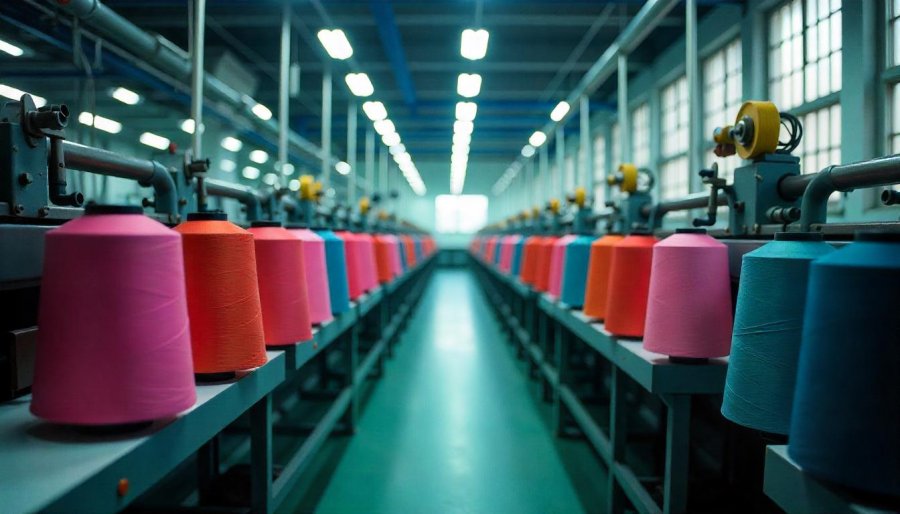
Decoding Nylon: Its Chemical Makeup, Manufacturing, and Its Role in Our Lives
Nylon is a synthetic polymer classified as a polyamide, characterized by long chains of molecules linked through amide bonds. These bonds give nylon its renowned strength, flexibility, and resistance to wear, making it suitable for a vast array of products. The backbone of nylon consists of repeating units that form durable yet pliable fibers, capable of enduring repeated use and exposure to moisture or friction without losing their structural integrity. This unique combination of properties has made nylon a cornerstone in everything from clothing and carpets to industrial materials like ropes and fishing lines.
The production of nylon begins with petrochemicals derived from crude oil and natural gas. Raw materials such as hexamethylenediamine and adipic acid are extracted through complex chemical processes. These monomers are then subjected to condensation polymerization—a chemical reaction where they are combined to form long, chain-like molecules called polymers. During this process, water molecules are released as byproducts. Once synthesized, these polymers are spun into fine threads or thicker fibers that can be woven into fabrics or used directly in manufacturing. This process, while efficient at scale, is energy-intensive and heavily reliant on fossil fuels, which contributes significantly to nylon’s environmental footprint.
What makes nylon particularly versatile is its chemical structure. The long chains of amide groups confer high tensile strength and resilience, allowing nylon fibers to stretch under stress without breaking, while resisting abrasion over time. These qualities enable nylon to withstand repeated use in activewear, outdoor gear, and industrial fabrics. Its resistance to moisture and many chemicals further broadens its application range, from automotive parts to household items. Despite these advantages, nylon’s synthetic origin and chemical stability also lead to environmental concerns, especially regarding waste and degradation.
Once discarded, nylon does not biodegrade easily. Its durable polymer chains can persist in landfills for centuries, slowly fragmenting into microplastics and tiny fibers under mechanical and environmental stresses. These microfibers are shed during washing and wear, escaping into waterways and soils, where marine and terrestrial life often mistake them for food. The ingestion of microplastics can cause injuries, reproductive issues, and even death among wildlife, and these tiny particles can bioaccumulate up the food chain, eventually reaching humans. The resilience that makes nylon so useful in products also makes it a stubborn pollutant, contaminating ecosystems long after its initial use.
The chemical processes involved in nylon’s production are energy-intensive and contribute to pollution. Heating and chemical reactions release volatile organic compounds and other toxic pollutants into the environment. Many manufacturing facilities operate in regions with lax environmental regulations, exacerbating local air and water pollution. Even in stricter jurisdictions, the reliance on fossil fuels and high energy consumption result in a substantial carbon footprint. As a result, nylon’s lifecycle—from raw material extraction to production, use, and disposal—embodies a series of environmental impacts that are difficult to overlook. Understanding this chemical and manufacturing foundation is crucial when considering alternatives like recycled or bio-based nylons, which aim to reduce reliance on fossil fuels and lower environmental costs. Recognizing the chemistry behind nylon helps illuminate both its utility and its environmental challenges, guiding efforts toward more sustainable solutions in the future.
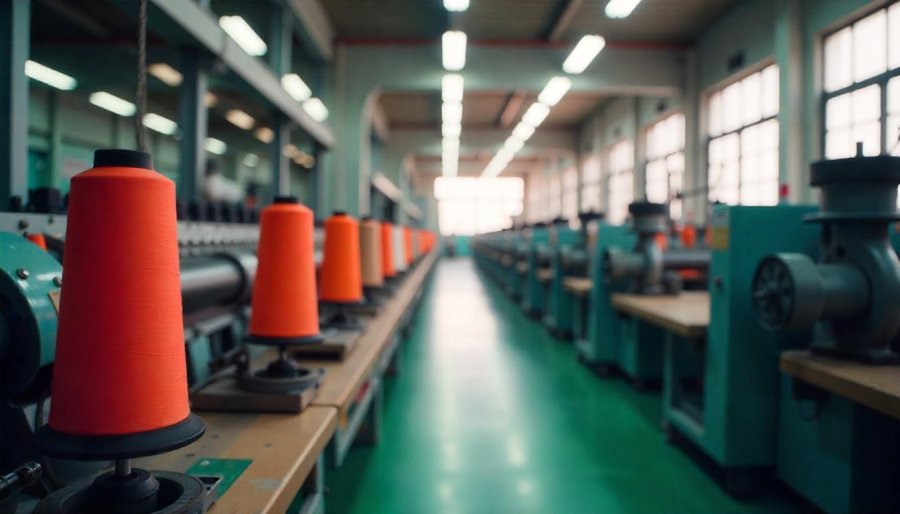
The Heavy Cost of Nylon: Current Impacts on Our Environment and Ecosystems
Nylon remains one of the most widely used synthetic fibers today, but its environmental footprint is becoming impossible to ignore. Its production continues to rely heavily on fossil fuels, primarily petroleum, tying every yard of nylon fabric directly to the extraction and burning of finite resources. This dependence depletes non-renewable reserves and contributes significantly to greenhouse gas emissions, fueling climate change. The chemical processes involved in creating nylon are energy-intensive, releasing pollutants into the air and water, adding further weight to its environmental costs.
Once in use, nylon products face a mountain of disposal challenges. Unlike natural fibers that biodegrade within a few years, nylon’s durability means it can linger in landfills for centuries. Over time, mechanical stresses and environmental factors fragment these fibers into tiny microplastics. These microfibers are shed during washing and wear, escaping into oceans, rivers, and soils where marine and terrestrial life often mistake them for food. The ingestion of these tiny particles can cause injuries, reproductive issues, and even death among wildlife, with the toxins bioaccumulating up the food chain and eventually reaching humans.
The spread of nylon microplastics is a global concern. Tiny fibers have been discovered in the deepest ocean trenches and Arctic ice, illustrating how thoroughly this synthetic material has infiltrated even the most remote ecosystems. As these fibers break down into smaller particles, they disperse contamination across the planet’s ecosystems, contaminating water sources and soil alike. Marine animals ingest these particles, suffering injuries or reproductive failures, and the toxins they carry can accumulate in seafood consumed by humans. This persistent pollution underscores the unintended consequences of a material designed for longevity but which ends up polluting ecosystems indefinitely.
Efforts to address nylon waste and recycling have seen some progress, yet significant hurdles remain. Mechanical recycling—melting and reforming fibers—often results in lower-quality material, discouraging widespread use. Chemical recycling, which breaks nylon back into its monomers, shows promise but is still in early development stages and not yet scalable or cost-effective enough to replace traditional methods. As a result, most nylon waste continues to accumulate in landfills or is incinerated, releasing additional pollutants and greenhouse gases into the environment, further exacerbating the problem.
The environmental costs extend beyond waste management. The manufacturing process itself remains highly polluting. Chemical reactions used to produce nylon require substantial heat and involve volatile organic compounds, which are released into the environment as pollutants. Many factories operate in regions with lax environmental regulations, intensifying local pollution issues. Even in jurisdictions with stricter rules, the reliance on fossil fuels and high energy demands keep the overall carbon footprint of nylon production high. These ongoing emissions contribute directly to climate change and degrade air quality, making the environmental impact of nylon an urgent issue that demands innovative solutions.
Despite these challenges, emerging innovations offer hope. Recycled nylon made from post-consumer waste, such as fishing nets and discarded carpets, is gaining traction, providing a way to reuse existing resources and reduce reliance on virgin petrochemicals. Concurrently, research into bio-based nylons derived from renewable plant sources aims to retain nylon’s desirable properties while lowering environmental impacts. These alternatives are still in early stages but demonstrate the potential for a more sustainable future. Scaling these solutions will require technological advances, supportive policies, and increased consumer demand for eco-friendly products, all crucial steps toward reducing nylon’s environmental footprint.