




Winter tires are often seen as essential safety gear for icy, cold months, but are they truly worth the investment or just a costly marketing ploy? This compelling exploration delves into how winter tires are crafted with softer rubber and deeper, more aggressive treads to enhance grip on snow and ice—features that standard or all-season tires lack. Scientific studies and real-world tests consistently show that vehicles equipped with winter tires can stop significantly faster and maintain better control on slippery surfaces, especially below freezing. Yet, myths persist, with some drivers believing they’re only necessary in heavy snowfall or extreme cold, while others think all-season tires suffice. The reality is that even light frost or black ice can threaten safety, making winter tires a wise, potentially life-saving upgrade in many climates. Uncover the truth behind these rubber upgrades and see why seasonal tire changes may be the smartest safety move you can make in winter.

Debating the True Value of Winter Tires: Safety, Cost, and Myths
Winter tires are a familiar sight on the roads when temperatures drop and snow begins to fall, but their true value often sparks debate among drivers. Some see them as essential safety gear that provides better grip and control on icy and snowy surfaces. Others view them as an unnecessary expense, especially in regions where winter conditions are mild or infrequent. This ongoing conversation reflects larger questions about safety, cost, and whether the technology behind winter tires genuinely makes a difference or is just a marketing ploy.
Many drivers face the yearly dilemma: should they invest in a set of winter tires or stick with their all-season options? The core issue revolves around whether these specialized tires can truly help prevent accidents and improve vehicle handling in cold, slippery conditions. Some argue that winter tires deliver critical traction improvements that can be the difference between a safe journey and a dangerous skid. Others believe that careful driving, route planning, and cautious behavior can compensate for the lack of specialized tires in less severe weather.
Understanding what makes winter tires different starts with how they are designed. Unlike regular tires, they use softer rubber compounds that stay flexible even when temperatures drop below freezing. This flexibility allows them to maintain better contact with icy and snowy surfaces, where standard tires tend to harden and lose grip. Their tread patterns are also deeper and feature more biting edges, which help channel away snow, slush, and water while gripping icy patches more effectively. Recognizing these differences helps explain why many safety experts recommend switching to winter tires in colder months.
The physics behind tire performance plays a key role here. In icy conditions, friction drops sharply, making it difficult for any tire to hold onto the road. Winter tires are engineered to maximize the limited friction available. Their softer rubber and specialized tread design increase the surface contact and create more edges that bite into ice and snow, improving braking distances and steering response. This isn’t just theory; real-world testing repeatedly confirms that winter tires outperform all-season tires on icy roads, offering drivers a much-needed safety margin.
Despite the clear benefits, myths about winter tires persist. Some believe they are only necessary in regions with heavy snowfall or extreme cold. In reality, even light frost or a thin layer of ice can significantly reduce tire grip, making winter tires a smart safety upgrade in many climates. Conversely, there’s a misconception that all-season tires can handle winter conditions just as well. While they may suffice in milder winter weather, they rarely match the performance of dedicated winter tires on icy surfaces. Separating fact from fiction helps drivers make informed decisions about their safety gear.
As winter approaches each year, the question remains: should you invest in winter tires? For those living in regions with frequent icy roads or severe cold, the answer is straightforward. The safety benefits are well-documented, and the difference in vehicle control can be significant. Even in milder climates, many drivers find that winter tires provide peace of mind, helping them navigate tricky conditions more confidently. Knowing what makes winter tires effective, how they differ from all-season options, and which myths to dismiss, helps drivers choose the safest and most reliable solution for winter driving.
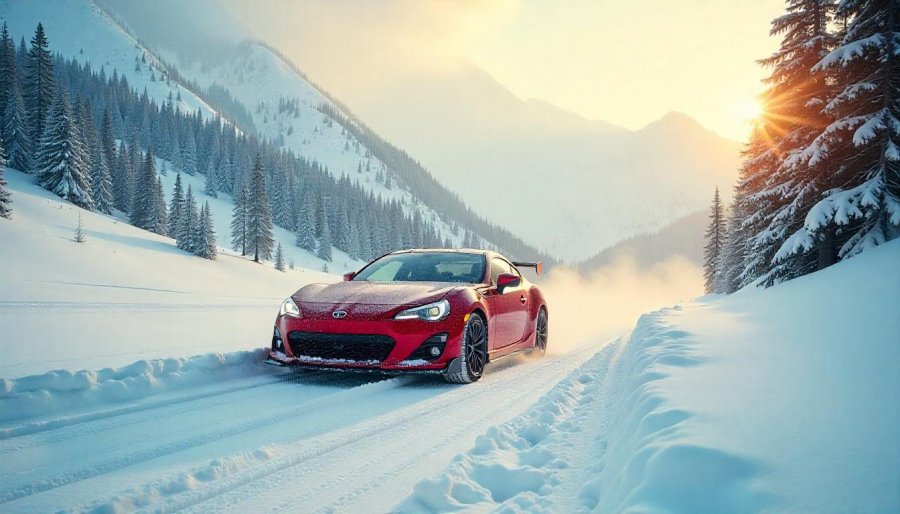
How Tire Design Enhances Control in Winter’s Cold Grip
Tires are the only point of contact between your vehicle and the road, making their design critical to safety and control—especially during winter. When temperatures drop, the materials and structure of your tires directly influence how well your vehicle grips icy and snowy surfaces. Understanding these key features helps explain why winter tires are so effective and how they differ from all-season options.
One of the main distinctions lies in the composition of the rubber. Winter tires are made with softer, more pliable rubber compounds that stay flexible in freezing temperatures. This flexibility allows the tire to conform better to uneven or slick surfaces, maintaining more contact with the road. In contrast, standard or all-season tires tend to harden when it’s cold, reducing their ability to grip icy patches and increasing the risk of slipping.
Tread pattern design also plays a significant role. Winter tires feature deeper grooves and more biting edges than their all-season counterparts. These deeper treads help channel away snow, slush, and water, decreasing hydroplaning risks and improving traction on wet or icy roads. Tiny slits, called sipes, cut into the tread further increase grip by creating additional biting edges that latch onto ice and packed snow. This combination of deeper tread and sipes enhances the tire’s ability to bite into slippery surfaces, offering more stability and control.
From a physics standpoint, tire grip depends largely on friction—the force that resists slipping between the tire and the road. On icy roads, friction drops sharply, complicating vehicle control. Winter tires are engineered to maximize the limited friction available. Their softer rubber increases the contact surface area, while the extra edges from the tread pattern provide more points of grip. This design helps reduce braking distances and makes steering more responsive, even when the road is coated in ice.
Many misconceptions surround winter tires, often leading drivers to underestimate their importance. Some believe they are only necessary in regions with heavy snowfall or extreme cold. However, even light frost or a thin layer of ice can significantly impair grip, making winter tires a smart safety upgrade in many climates. Others assume all-season tires can handle winter conditions just as well. While they may perform adequately in mild winter weather, they rarely match the specialized features of dedicated winter tires when the roads turn icy and treacherous.
Legal standards and regulations further emphasize their role. Many regions require winter tires during specific months or under certain weather conditions. These laws are based on extensive safety research that shows vehicles equipped with winter tires are involved in fewer accidents on icy roads. They often specify minimum tread depths and performance benchmarks, ensuring a baseline of safety. Complying with these regulations isn’t just about avoiding fines; it’s a proactive step to improve traction and control in unpredictable winter conditions.
Recognizing how these features work together clarifies why winter tires provide a tangible safety advantage. When temperatures are below freezing, all-season tires tend to harden, losing their flexibility and grip. Winter tires, however, stay soft and pliable, maintaining their ability to bite into ice and snow. This difference becomes more evident during the coldest days, where winter tires deliver noticeably better control and shorter stopping distances. Knowing this helps drivers understand why seasonal tire changes can make a significant difference in safety.
Beyond stopping power, winter tires also improve steering precision and overall vehicle stability. Navigating snow-covered streets or icy inclines demands reliable grip, and winter tires deliver just that. Drivers often report feeling more confident and less prone to skidding when using them. This added control is especially valuable in sudden or tricky situations, such as black ice patches or packed snow. The combination of enhanced traction and stability contributes to safer, more predictable driving in winter’s most challenging conditions.
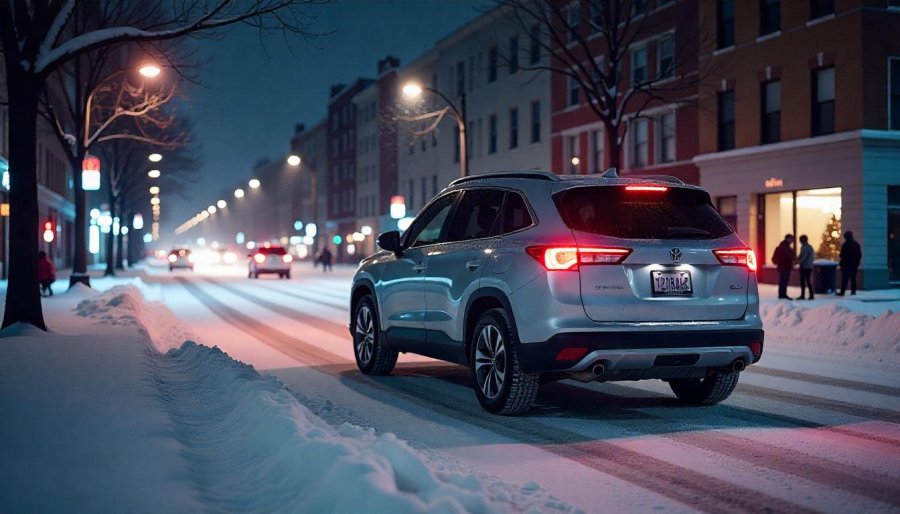
Real-World Proof: The Superior Performance of Winter Tires on Ice
When it comes to proving whether winter tires truly deliver on their promises, real-world evidence and expert insights consistently reinforce their benefits. Multiple safety tests and studies show that vehicles equipped with specialized winter tires stop significantly faster on icy surfaces compared to those with all-season tires. In some cases, the braking distance can be cut by nearly a quarter, making a crucial difference in avoiding accidents. These numbers aren’t just statistics; they translate directly into safer driving experiences and reduced crash risks in winter conditions.
Experts in winter driving highlight how the unique design features of winter tires—like softer rubber compounds and deeper, more aggressive tread patterns—enhance traction where it matters most. The softness of the rubber remains pliable in freezing temperatures, allowing the tire to grip icy patches more effectively. Meanwhile, the deeper tread and increased biting edges help channel snow, slush, and water away from the contact patch, stabilizing the vehicle and preventing slips. Drivers often report feeling more confident and in control on icy roads when their vehicle is fitted with winter tires, especially in conditions that challenge all-season options.
While cautious driving and skill are vital, the consensus among safety professionals is that proper tires provide a substantial safety boost. No matter how careful a driver is, physics still governs icy conditions—friction drops sharply, and the risk of skidding increases. Winter tires help mitigate this problem by maximizing the limited friction available. They act as a crucial safety layer, especially in unexpected patches of black ice or when conditions deteriorate suddenly, giving drivers a better chance to respond effectively.
Empirical data from regions with winter tire laws further confirms their effectiveness. When authorities mandate their use during cold months, the number of winter-related accidents drops noticeably. These regulations are rooted in comprehensive safety research showing that vehicles with winter tires are involved in fewer crashes on icy roads. They often specify minimum tread depths and performance standards, ensuring vehicles are equipped to handle winter’s worst. Following these standards isn’t just about legal compliance—it’s a practical move that enhances safety and saves lives.
Testimonies from everyday drivers align with these findings. Many share stories of shorter braking distances, improved steering response, and fewer skids once they switch to winter tires. Such real-world experiences mirror scientific data, reinforcing that winter tires don’t just meet safety expectations—they actively improve vehicle behavior in icy, unpredictable conditions. This added confidence often encourages more cautious driving, which further reduces the risk of accidents.
The performance gap becomes especially clear in extreme cold. When temperatures plunge below freezing, all-season tires tend to harden, losing their flexibility and grip. Winter tires, by contrast, retain their pliability, allowing them to bite into ice and snow more effectively. Controlled tests and roadside observations consistently demonstrate that winter tires outperform all-season tires on slick patches, making a tangible difference in stopping distances and vehicle control. Recognizing this performance edge helps drivers understand why seasonal tire changes are a wise investment for winter safety.