




A reliable vehicle isn’t just about shiny exteriors or smooth rides—it’s about the small yet vital components working behind the scenes, with the battery at the forefront. Many drivers overlook this power source until it fails at the worst moment, causing unexpected breakdowns. Regular checks—like testing voltage, cleaning terminals, and inspecting for corrosion—can prevent roadside emergencies and ensure your car starts reliably every time. But is simply checking the battery enough? With advancements in battery technology, understanding how these systems work and proactively maintaining them is more important than ever. External factors such as weather and driving habits further influence battery health, making early signs of trouble—dim lights, sluggish starts—easy to miss but crucial to address. By adopting simple maintenance routines and seeking professional assessments when needed, you can enjoy worry-free driving, confident in your vehicle’s readiness. Are you doing enough to keep your battery healthy and your journeys trouble-free?

Unlock Confidence with Proper Battery Care for Worry-Free Driving
A dependable car isn’t just about shiny paint or a smooth ride—it’s about the small, often overlooked components working behind the scenes to keep everything running smoothly. One of the most critical yet underestimated parts is the car battery. It’s easy to forget how vital this little power source is until it fails when you need your vehicle the most. Whether it’s starting your engine on a chilly morning or powering your headlights and radio during a late-night drive, the battery plays a central role in your car’s daily performance.
Many drivers don’t think about their batteries until they notice warning signs like dimming lights or difficulty starting. By then, the battery may be on its last legs, risking an unexpected breakdown at an inconvenient time. Regular maintenance can prevent these surprises, but it’s often overlooked because it seems simple or unimportant. The truth is, a few quick checks—like testing the voltage, cleaning the terminals, and inspecting for corrosion—can make a big difference in avoiding roadside emergencies and ensuring your vehicle remains reliable.
Think of your battery as the heart of your car’s electrical system. It stores energy and supplies the power needed to get the engine running and keep your electronics functioning. When the battery’s in good shape, your vehicle starts every time, regardless of the weather or how long it’s been parked. But as it ages or wears down, its ability to perform diminishes, leading to starting problems or electrical glitches. That’s why routine battery checks are a simple yet effective way to keep your car dependable, especially during extreme weather or busy mornings.
The landscape of battery technology has evolved considerably. Early lead-acid models were bulky and prone to leaks, with limited lifespan. Today’s sealed, maintenance-free batteries—like AGM (Absorbent Glass Mat) and lithium-ion types—are designed to last longer and handle modern electronic demands. These advancements mean fewer leaks, better durability, and improved performance, but even the most advanced batteries need regular attention. Neglecting this can lead to unexpected failures that leave you stranded, so understanding how to care for your battery is more important than ever.
Getting into the habit of simple maintenance routines can save you time, money, and inconvenience. Checking the battery’s voltage with a multimeter is quick and easy—an ideal first step. When the engine is off, a healthy battery should read about 12.6 volts. If it’s significantly lower, it might be time for a recharge or professional check. Regularly inspecting and cleaning the terminals to remove corrosion helps ensure optimal electrical contact. These small actions can extend your battery’s life and keep your vehicle running smoothly, no matter what challenges the road throws your way.
Ultimately, caring for your car battery isn’t just about preventing breakdowns; it’s about ensuring worry-free driving day after day. A simple routine of checks and maintenance can catch early signs of trouble before they turn into emergency situations. By staying proactive, you’re not only protecting your vehicle but also gaining peace of mind. When your battery is healthy, your car starts reliably, your electronics stay powered, and you avoid the stress of unexpected failures—making every journey safer and more enjoyable.

Demystifying Car Batteries: How They Power Your Vehicle’s Success
Car batteries are the backbone of your vehicle’s electrical system, and understanding how they work can help you better care for them. Most modern cars rely on lead-acid batteries, which consist of lead plates immersed in sulfuric acid. This simple yet effective design allows the battery to store electrical energy and release it when needed. When you turn the ignition key or press the start button, the battery supplies a powerful burst of energy to the starter motor, igniting the engine and getting your vehicle moving.
The main purpose of your battery is to provide that initial jolt of power to start the engine. Once it’s running, the alternator takes over, generating electricity to power the car’s electronics and recharge the battery. This cycle depends entirely on the battery’s ability to efficiently store and deliver energy. When internal components degrade over time, the battery’s capacity diminishes, making it harder for your vehicle to start and for electrical systems to function properly. That’s why regular checks of your battery’s health are essential to maintain dependable performance.
Battery technology has advanced significantly from the early lead-acid models. Today’s sealed, maintenance-free batteries—like AGM (Absorbent Glass Mat) and lithium-ion types—are designed to last longer and handle the increasing electrical demands of modern vehicles. These innovations mean batteries are more durable, leak-resistant, and better suited to support complex electronic systems. Despite these improvements, no battery is immune to wear and tear. Regular maintenance remains crucial to prevent unexpected failures that can leave you stranded.
Understanding how your battery functions highlights why proper care makes a difference. Simple routines such as keeping the terminals clean and free of corrosion, checking the voltage with a multimeter, and ensuring tight connections can significantly extend your battery’s lifespan. Corrosion and loose connections impair electrical contact, leading to starting problems or electronic glitches. When your battery is in good shape, it performs reliably, supporting your vehicle’s needs without interruptions.
External factors like climate and driving habits influence your battery’s longevity more than you might realize. Hot weather accelerates corrosion and shortens the battery’s life, while cold temperatures decrease its capacity, making engine starts more difficult. Short trips and frequent stops prevent the battery from fully recharging, gradually draining its energy reserve. Being aware of these influences and performing seasonal checks can help you plan ahead—whether that means replacing a failing battery or giving it a boost before extreme weather hits.
Recognizing early signs of a weakening battery is key to avoiding roadside emergencies. Dimming headlights, sluggish engine starts, or warning lights on the dashboard often indicate trouble. Addressing these issues promptly—by testing the voltage or consulting a mechanic—can prevent being stranded unexpectedly. Staying proactive with your battery’s health ensures your vehicle remains dependable and your driving experience stays stress-free.
In short, understanding your car battery isn’t just about technical knowledge; it’s about taking control of your vehicle’s reliability. Regular maintenance, awareness of external influences, and quick action at the first signs of trouble keep your battery healthy. When you care for this vital component, you’re investing in worry-free drives, confident that your car will start every time and power everything you need, no matter the conditions.
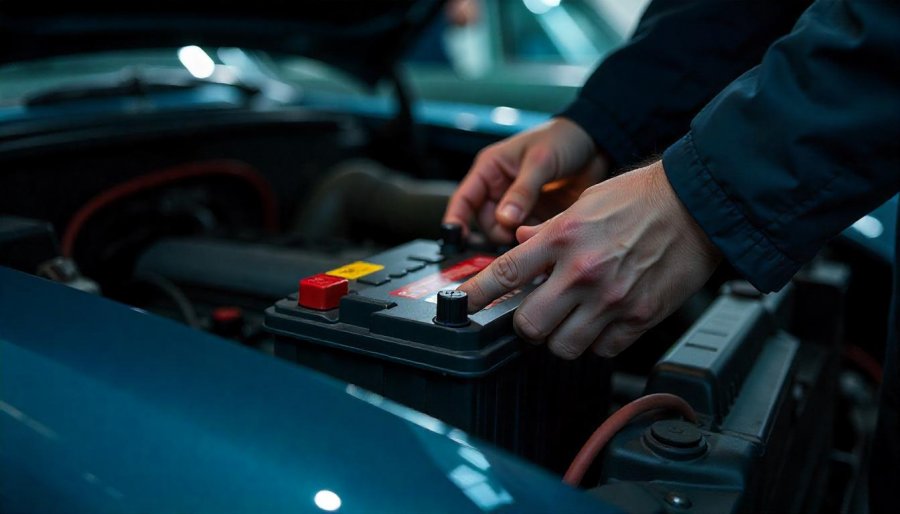
Simple Strategies to Keep Your Battery Healthy and Avoid Unexpected Breakdowns
Keeping your car battery in good shape is simpler than you might think. Start with routine inspections—these small steps can catch problems early before they turn into costly repairs or roadside emergencies. Using a multimeter to check your battery’s voltage is an easy and effective method. When the engine is off, a healthy battery should read around 12.6 volts. If your readings fall significantly below that, it’s a sign that your battery may need a recharge or a professional assessment. Making this a regular habit, especially before long trips or during seasonal changes, helps you spot potential issues early and plan accordingly.
Inspecting the terminals for corrosion is another key step in maintaining battery health. Over time, white or greenish deposits can form around the clamps, hindering electrical flow and making it harder for your car to start. Cleaning the terminals with a wire brush or a paste of baking soda and water restores proper contact and prevents corrosion from building up. Regularly doing this simple maintenance can extend your battery’s lifespan and keep your vehicle starting reliably, even after months of inactivity or harsh weather.
Loose connections are just as problematic as corrosion. Vibrations from driving can gradually loosen clamps and cables, leading to inconsistent electrical contact. After cleaning the terminals, ensure all clamps are snug and secure. Tightening these connections is quick but crucial: it helps maintain stable power flow and prevents sudden starting failures. Checking and tightening your battery terminals should become part of your routine car care to avoid those frustrating moments when your engine refuses to turn over.
Driving habits also influence your battery’s longevity more than you might realize. Short trips and frequent stops prevent the battery from fully recharging, gradually draining its energy reserve. If your daily routine involves many quick errands, consider taking occasional longer drives to give your battery a chance to replenish. This simple practice ensures your battery maintains its capacity, reducing the risk of sudden power loss or starting issues. Being mindful of how you drive can make a noticeable difference in your vehicle’s reliability over time.
Pay attention to warning signs that your battery might be nearing the end of its life. Dimming headlights, sluggish engine starts, or warning lights on your dashboard are clear indicators that your battery needs attention. Don’t ignore these signals—testing the voltage or visiting a mechanic can identify whether it’s time for a replacement. Addressing these issues promptly prevents you from being stranded unexpectedly, especially in inconvenient or dangerous situations. Acting early keeps your vehicle dependable and your mind at ease.
Adding professional load testing into your maintenance routine provides a more accurate picture of your battery’s health. These tests simulate the demands your battery faces during startup and operation, revealing issues that simple voltage checks might miss. Most auto shops or parts stores offer quick, affordable load testing services. Incorporating these assessments every few years ensures your battery can handle daily demands without surprise failures. Combining professional testing with regular personal inspections solidifies your approach to responsible car care, keeping your vehicle dependable for the long haul.
By integrating these simple, actionable steps into your routine, you can significantly extend your battery’s life and avoid unexpected breakdowns. Regular checks, cleaning, and tightening connections aren’t just maintenance tasks—they’re investments in your vehicle’s reliability. Staying attentive to signs of wear and seeking professional evaluations when needed ensure your car remains ready to start, no matter the weather or circumstances. With a bit of effort, you’ll enjoy worry-free driving, confident that your battery is supporting your journeys every mile of the way.