



Underground street racing is more than just a thrill of speed; it’s a profound culture rooted in loyalty, brotherhood, and craftsmanship. As racers push their cars to the limit in shadowed urban spaces, they forge bonds that transcend mere competition—creating a tight-knit family built on trust, shared risks, and mutual respect. This scene, inspired by films like the ‘Fast and Furious’ saga, reflects a rebellious spirit that celebrates identity, artistry, and resilience amid legal challenges and safety concerns. Beyond the roar of engines, it’s about stories of late-night drives, custom modifications, and language that unites enthusiasts across generations. As technology advances and social networks connect this underground community, its core values—loyalty, tradition, and brotherhood—remain vital. Will the scene evolve responsibly without losing its rebellious soul? Its enduring power lies in bonds formed far deeper than speed, fueling urban resilience and cultural innovation for years to come.
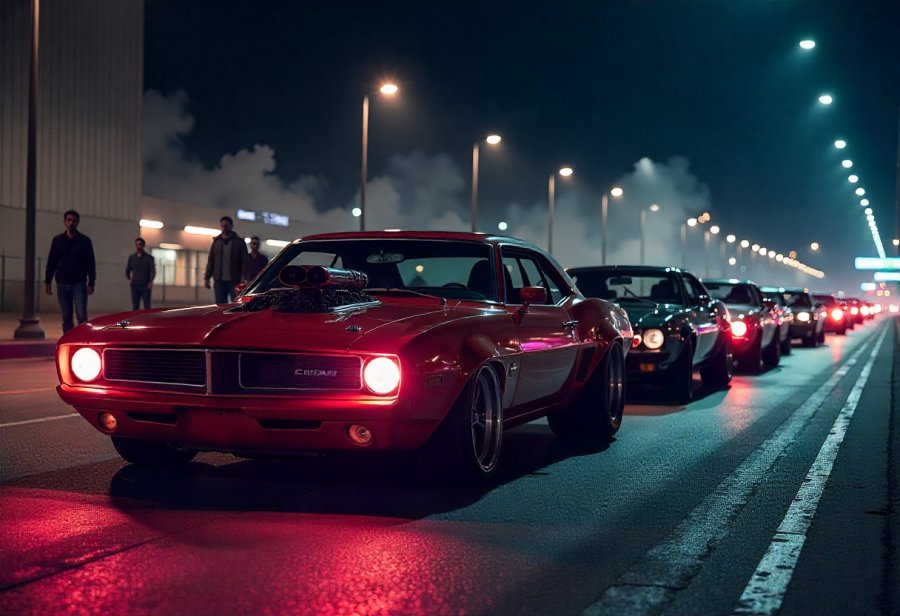
Underground Street Racing: A Thriving Shadow Culture of Urban Rebellion
Underground street racing isn’t just about the thrill of hitting top speeds; it’s a vibrant subculture that thrives in the shadows of urban life. These races often take place on quiet streets, abandoned lots, or industrial zones where racers can push their cars to the limit away from the eyes of law enforcement. For many enthusiasts, it’s a form of rebellion—a way to carve out a space of their own where craftsmanship, identity, and adrenaline collide.
This scene is driven by a deep sense of community and loyalty. Racers often form tight-knit crews that feel more like families, bonded through late-night drives, shared risks, and high-stakes competitions. Respect for each other’s skills and the cars they build is central, with each modification telling a story of dedication and pride. It’s a culture built on trust, where every engine swap and paint job reinforces belonging.
Community and connection extend beyond the races themselves. Racers communicate through word-of-mouth, online forums, and social gatherings, creating networks that support their passion and safety. These bonds often last a lifetime, rooted in shared effort, mutual trust, and a collective defiance of societal norms. Despite legal crackdowns and safety risks, the scene persists because of this unbreakable brotherhood.
The cultural impact runs deep, influencing fashion, music, and art in urban settings. The rebellious attitude and craftsmanship celebrated in street racing inspire generations who see it as a symbol of resilience and self-expression. Films like the “Fast and Furious” franchise have only amplified its appeal, turning underground racing into a global phenomenon that continues to evolve while staying true to its roots.
Understanding this culture means recognizing it’s about more than just speed. It’s about forging bonds that run deeper than the asphalt—connections built on loyalty, shared effort, and a collective spirit of defiance and craftsmanship. For many, street racing is a way of life, a community that beats beneath the city’s surface, fueling passion and resilience in every turn.
From Modest Beginnings to Global Phenomenon: The Evolution of Street Racing
Underground street racing has roots that stretch back to the early days of car culture, but it truly took shape in urban areas during the late 20th century. It began with small groups of enthusiasts gathering after hours, testing their vehicles on quiet streets and back alleys, driven by a desire to push beyond legal limits and seek adrenaline. Over time, these informal meets grew into organized scenes, fueled by the rise of modified cars and a shared passion for speed and craftsmanship.
In the 1980s and 1990s, the scene developed its own traditions and codes. Local crews became key figures, forming rivalries and friendships that added layers of identity to the culture. Car modifications became more elaborate, with each upgrade serving as a badge of dedication, skill, and loyalty. Word-of-mouth and underground networks spread these stories, helping newcomers find their place within the community and learn the unspoken rules that defined their scene.
Media played a significant role in shaping perceptions of street racing. Films like the “Fast and Furious” franchise showcased the rebellious, stylish side of the culture, inspiring a global following. This exposure turned underground racing into a symbol of defiance and resilience, influencing urban fashion, music, and art. Major milestones included legendary races in Los Angeles, Tokyo’s drifting circuits, and underground challenges across Europe—events that often carried high stakes and reputations more than trophies.
Despite increasing legal crackdowns and safety concerns, the scene persisted, sustained by a passionate core of enthusiasts. The bonds formed through late-night runs, shared repairs, and mutual support created a strong sense of community. These relationships often extend beyond racing, rooted in loyalty, craftsmanship, and shared stories of daring and dedication that have helped the culture evolve while maintaining its underground spirit.
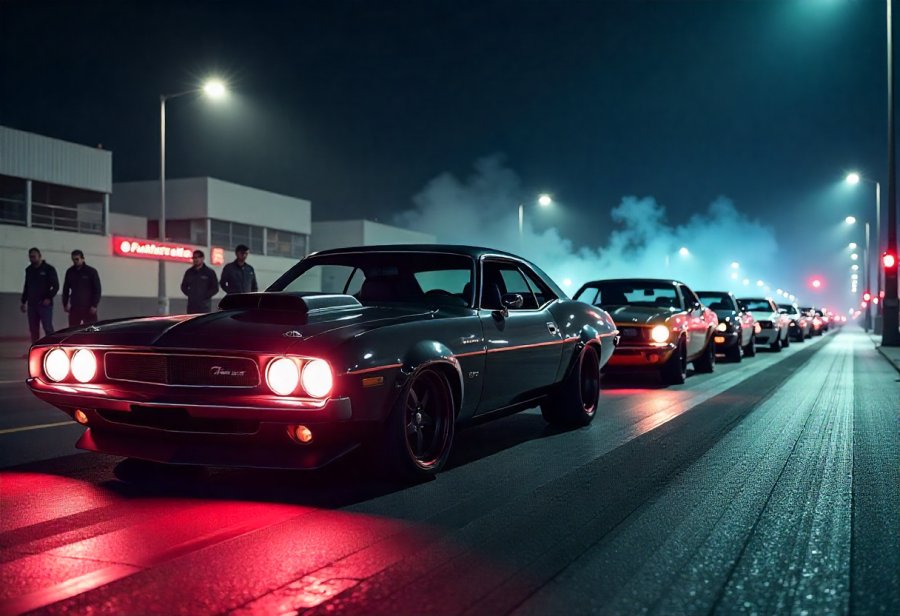
Brotherhood on the Streets: Core Values That Fuel the Racing Community
At the core of underground street racing is a set of values that go beyond just driving fast. Loyalty, trust, and respect form the backbone of every crew and interaction. Racers see their teams as family, bonded through shared risks and late-night drives, where every member’s effort counts. Trust develops over time, built through experiences that prove someone’s reliability—whether it’s sharing secret routes or covering each other during police sweeps.
Car modifications are more than performance upgrades; they symbolize allegiance and identity. When a racer’s vehicle bears crew colors or custom touches, it’s a badge of pride and belonging. Each tweak or upgrade reflects dedication, craftsmanship, and a commitment to the community’s shared standards. These vehicles become moving symbols of loyalty, craftsmanship, and collective effort, telling stories of effort and trust.
The language of street racing also plays a key role. Slang like “burnout,” “gapping,” or “rollin’” isn’t just jargon—it’s shorthand that fosters camaraderie and mastery. Learning these terms helps newcomers feel part of the culture, connecting them to its unspoken codes. It’s about more than speed; it’s about speaking a shared language that signals skill, respect, and a deep understanding of the scene.
Loyalty extends well beyond the race itself. Crews organize through informal networks and online forums, sharing secrets about routes, setups, and safety. Supporting each other during legal threats or repairs cements the bonds that turn a group of racers into a true brotherhood. Acts of loyalty—like helping fix a damaged car or sharing insider tips—strengthen relationships that last a lifetime.
Despite risks and legal challenges, this sense of brotherhood keeps the scene alive. Racers depend on trust and mutual support to navigate dangers and setbacks. Covering for teammates or helping one another in tough times transforms a scene of adrenaline into a resilient community rooted in shared effort and respect.
The strength of this culture lies in its ability to evolve without losing its core principles. As technology advances and legal pressures mount, the bonds of loyalty and craftsmanship remain central. This adaptability ensures the scene’s vitality, allowing it to honor tradition while embracing new ways to connect and grow. In this way, underground racing continues to thrive as a symbol of resilience and brotherhood.
Loyalty in the Shadows: The Bonds That Define Night Racing
Underground street racing is about more than just racing fast; it’s about the deep bonds that form amid the roar of engines and the rush of adrenaline. Riders see their crews as family, built on trust, loyalty, and shared experiences that go far beyond the pavement. These relationships are forged during countless late-night drives, where every smell of burnt rubber and every shared secret adds another layer to their connection. It’s in those moments of camaraderie—supporting a teammate through legal threats or helping repair a broken car—that the true strength of the brotherhood reveals itself.
Loyalty is woven into every aspect of this world. Acts like sharing secret routes, covering for each other during police sweeps, or lending a hand after a tough race aren’t just gestures—they’re the foundation of trust. Over time, these small acts build an unbreakable bond, turning a group of racers into a tight-knit family. It’s a loyalty rooted in mutual respect, where everyone’s effort is valued and each member’s safety is a collective responsibility. This sense of responsibility ensures that even in the face of danger, the community remains resilient.
Car modifications serve as more than performance upgrades—they’re symbols of allegiance. When a racer’s vehicle sports crew colors or custom touches, it’s a visual badge of pride and belonging. Every tweak, from a turbo upgrade to a custom paint job, tells a story of dedication and craftsmanship. These vehicles aren’t just tools for racing; they’re moving symbols of trust, effort, and shared identity. The pride racers feel in their cars reflects the loyalty they hold for their crew and the culture they uphold.
Within this scene, a shared language develops—slang and terms that foster camaraderie and mastery. Words like “burnout,” “gapping,” or “rollin’” aren’t just jargon; they’re shorthand that signals skill and respect. Learning these terms helps newcomers feel part of the culture, connecting them to a tradition built on unspoken codes and mutual understanding. This language reinforces bonds, making every race and every story a thread in the fabric of brotherhood.
In the end, loyalty is what sustains underground racing. It’s about more than winning races—it’s about creating a support system that lasts a lifetime. Covering for a teammate, sharing repair tips, or simply standing by each other in tough times turns a fleeting adrenaline rush into a resilient community. Built on trust and mutual respect, this brotherhood keeps the scene alive, proving that in underground street racing, the bonds forged in the shadows are often the strongest of all.
Living the Asphalt Dream: Practical Insights into Underground Racing Lifestyle
Living the culture of underground street racing involves more than just knowing how to drive fast; it’s about embracing the skills, traditions, and mindset that keep the scene vibrant and resilient. For many enthusiasts, this lifestyle influences daily choices—from the streetwear inspired by racing crews to the music that fuels their rebellious spirit. Wearing bold graphic tees, hoodies, and sneakers becomes a way to show allegiance, even when not on the streets. Hip-hop and trap beats often echo themes of speed, loyalty, and street life, shaping the energetic vibe that defines the culture.
Car tuning and modifications are at the heart of this way of life. Enthusiasts spend hours learning about engine upgrades, safety measures, and responsible craftsmanship. Sharing tips and secrets within their communities builds trust and helps protect members from legal trouble. Stories of custom builds and racing traditions are passed down like family heirlooms, strengthening bonds rooted in skill and innovation. Respect for the craft isn’t just about performance—it’s about pride, dedication, and a shared effort to push boundaries safely.
Beyond the streets, underground racing culture thrives in social gatherings, car meets, and online forums. These spaces serve as hubs for advice, celebration, and planning future events. They create a sense of community where newcomers can learn from experienced members and feel welcomed. For many, their cars are extensions of themselves—transforming everyday vehicles into symbols of pride and rebellion. Sharing a passion for modified cars and high-speed challenges fosters a tight-knit family, united by trust and shared values.
Understanding this culture also means recognizing the importance of safety and legality. Experienced racers emphasize responsible driving and avoiding reckless risks. While adrenaline drives the scene, responsible practices like wearing proper gear and choosing legal venues help sustain its integrity. Online resources and community groups provide valuable guidance, encouraging newcomers to respect traditions and nuances. This commitment to safety ensures the scene’s energy remains vibrant without losing its core spirit.
Stories of late nights supporting each other, sharing repair tips, and celebrating victories highlight the deep bonds formed through this lifestyle. These relationships often extend beyond racing, creating lifelong friendships rooted in trust and mutual respect. The sense of belonging forged through shared effort and perseverance keeps the community resilient, even amid legal challenges. It’s this brotherhood, built on loyalty and craftsmanship, that fuels the scene’s ongoing vitality and evolution.
For many in the scene, underground racing is more than a pastime; it’s a statement of identity and resilience. It embodies urban ingenuity, craftsmanship, and defiance against societal norms. As technology advances and the scene adapts, the values of loyalty and brotherhood remain central. Embracing innovation while honoring tradition ensures that underground racing continues to thrive, inspiring new generations to carry its spirit forward.
Ultimately, living this culture means embracing a mindset rooted in respect, skill, and community. It’s about knowing that every modification, every race, and every shared story contributes to a collective identity much larger than the individual. It’s a lifestyle driven by passion and resilience—fueled by bonds that run deeper than speed and that will endure through challenges, shaping the future of underground street racing.
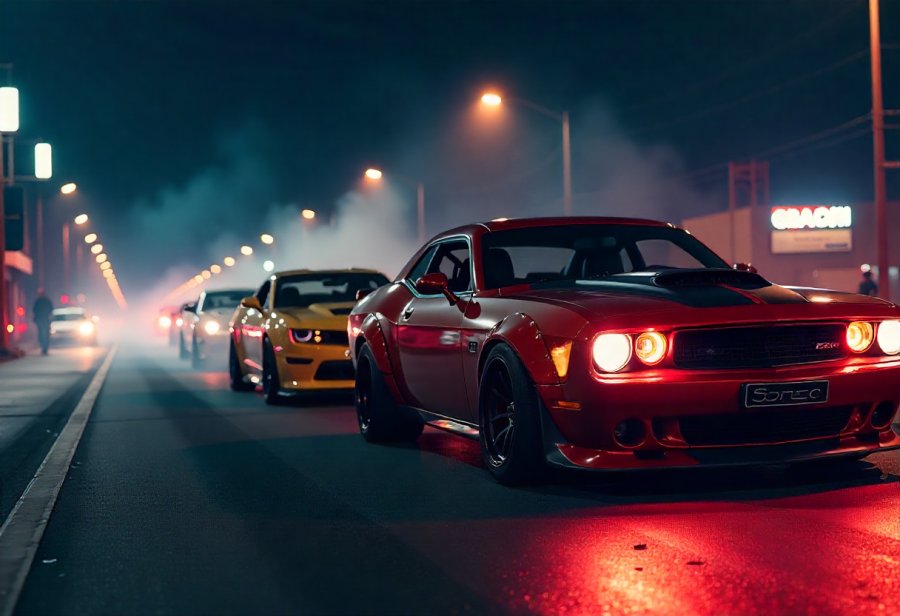
Resilience and Innovation: The Future of Underground Street Racing
Underground street racing has proven to be a resilient and evolving culture, rooted in core values like loyalty, brotherhood, and a shared passion for craftsmanship. Despite legal crackdowns and safety concerns, the scene persists because of the deep bonds formed through late-night races, shared risks, and mutual support. These relationships go beyond mere camaraderie; they become a second family, built on trust and collective effort that withstands external pressures.
Looking ahead, technology and social connectivity will likely reshape the scene in new and exciting ways. Advances in car tech, like smarter tuning tools and safety features, could promote more responsible racing while preserving the community’s spirit. Online forums and social platforms already serve as hubs for organizing, sharing knowledge, and mentoring newcomers, making underground racing more accessible and connected. These tools have the potential to bridge underground traditions with more organized, legal events that uphold the scene’s core values.
Safety and legality are increasingly vital to the future of street racing. Many respected racers advocate for responsible driving and safer practices, emphasizing that the scene’s strength lies in skill and brotherhood, not reckless risks. Supporting legal racing venues and promoting responsible habits can help ensure the culture remains vibrant and sustainable. Embracing this balance allows the community to evolve without losing its identity, ensuring its relevance for generations to come.
The influence of underground racing extends far beyond the streets. Its rebellious attitude, craftsmanship, and sense of resilience continue to inspire urban fashion, music, and art, shaping a broader cultural movement. As innovations emerge, the scene may see more organized events that combine tradition with safety, allowing new generations to participate without compromising its essence. This evolution could strengthen the community’s bonds and ensure its vitality.
The emotional connections forged through shared passion and mutual trust remain the true foundation of the scene. These bonds foster lifelong friendships and a sense of belonging that transcends individual races. As long as loyalty, craftsmanship, and shared values stay at the heart of the culture, underground street racing will continue to thrive, adapting to change while preserving its spirit.
Resilience is built into the DNA of street racing. Its ability to adapt—embracing new technology, fostering community, and advocating for safety—ensures its survival amid challenges. Future developments might include more regulated events that respect tradition while promoting safety and legality, helping the scene grow sustainably without losing its rebellious edge.
In the end, underground street racing symbolizes urban resilience and brotherhood. Its future depends on honoring its roots of loyalty and craftsmanship while responsibly embracing innovation. With a focus on community bonds, safety, and tradition, this culture can navigate upcoming challenges and continue to inspire new generations. Its enduring legacy lies in the unbreakable bonds formed in the shadows—bonds that keep the spirit of underground racing alive and evolving well into the future.