



Step into the world of the backyard mechanic’s sanctuary, where passion, patience, and craftsmanship converge behind humble garage doors. These spaces are more than mere storage—they are living symbols of independence, heritage, and ingenuity. From organized tool walls to vintage memorabilia, every detail tells a story of dedication and perseverance across generations. But what secrets lie behind this ritual of restoring old machines? Engaging techniques like meticulous rust removal, precise engine rebuilding, and authentic interior restoration reveal a mastery rooted in tradition yet enhanced by modern ingenuity. As enthusiasts share triumphs online, they embody a resilient community committed to preserving the art of mechanical restoration. Looking ahead, the blend of time-honored skills with cutting-edge technology promises to keep this craft alive, inspiring newcomers and honoring its legacy. Can the heart of this craft continue to thrive amidst evolving tools and techniques? Absolutely—if passion remains as steadfast as ever.
Backyard Garages: Sanctuaries of Passion and Craftsmanship
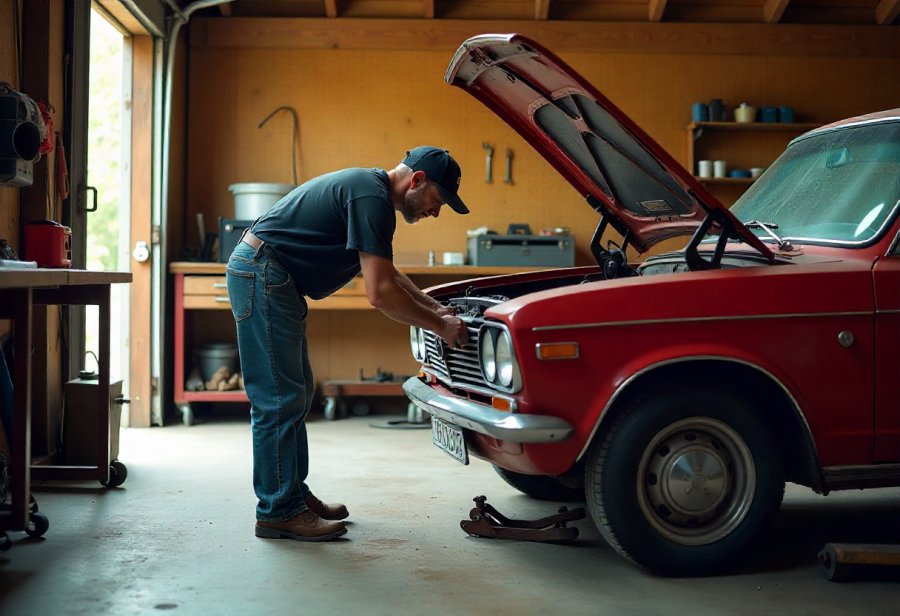
Backyard garages are more than just simple structures tucked behind houses—they’re vibrant hubs of passion and craftsmanship. For many enthusiasts, these spaces serve as personal sanctuaries where they can escape the hustle of everyday life and immerse themselves in their love for restoring vintage machines. It’s in these garages that patience, skill, and dedication come together, transforming worn parts into shining symbols of mechanical artistry.
Over time, the garage has evolved from a basic shelter into a reflection of its owner’s personality and pride. Organized tool walls, vintage signs, and carefully curated workbenches reveal stories of perseverance and love for craftsmanship. These spaces are more than just storage—they’re personal workshops that celebrate independence and ingenuity, especially in suburban and rural communities where self-reliance is valued. Each detail, from a well-worn wrench to a nostalgic poster, adds to the narrative of dedication.
The cultural significance of backyard garages extends well beyond their physical structure. They have become communal symbols of hands-on skill, passed down through generations and shared across online forums and social media. Enthusiasts exchange tips, triumphs, and troubleshooting secrets, keeping this craft alive and dynamic. These exchanges foster a sense of belonging, inspiring newcomers to embrace the challenge and tradition of mechanical restoration.
For many, these garages embody a love for craftsmanship that goes beyond fixing cars—they’re spaces where patience and precision are honored. Restoring vintage vehicles often takes months or even years, but each completed project offers a deep sense of achievement. These environments nurture growth, reflection, and a tangible connection to a rich heritage of skill, making them more than just workspaces—they’re personal temples of creation and preservation.
Inside these garages, restoration becomes almost meditative. The repetitive motions of tightening bolts, cleaning parts, and calibrating engines help clear the mind and deepen the bond with the mechanical world. Over time, mechanics develop an intuitive understanding of their machines, turning routine repairs into acts of reflection and pride. The garage becomes a place where time slows down, and craftsmanship takes precedence over haste.
Ultimately, the backyard garage stands as a testament to passion and perseverance. It’s a space where tradition meets innovation, a place that preserves the spirit of mechanical artistry. These sanctuaries continue to inspire new generations, inviting them to carry forward a legacy rooted in patience, skill, and a genuine love for the craft—ensuring that the culture of backyard restoration remains vibrant for years to come.
Unlocking the Roots and Culture of Home Garage Sanctuaries
Home garages have long been more than just practical shelters for vehicles; they have evolved into personal workshops that reflect their owners’ passions and ingenuity. Originally simple structures designed to protect cars from the elements, garages gradually became spaces dedicated to DIY repairs, restoration projects, and creative tinkering. This transformation was fueled by post-war car culture and a growing desire for independence, turning these utilitarian spaces into extensions of individual identity. Organized tool walls, vintage signs, and customized workbenches often tell stories of dedication, craftsmanship, and a love for machines.
These spaces serve as more than storage units—they embody a spirit of self-reliance and innovation. In suburban and rural communities especially, garages are personal sanctuaries where patience and skill reign supreme. Each detail, from a worn wrench to a nostalgic poster, adds to the narrative of perseverance and love for craftsmanship. Such touches transform a simple shed into a vibrant workshop, inspiring pride and a sense of ownership. This personal touch helps preserve a culture of hands-on restoration that spans generations, keeping alive the tradition of mechanical artistry.
The evolution of garages mirrors broader technological and cultural shifts. Today, online communities, forums, and social media platforms have expanded the garage’s role from a basic workspace into a hub of shared knowledge and inspiration. Enthusiasts exchange tips on sourcing rare parts, restoring original finishes, and troubleshooting complex issues. This ongoing dialogue keeps the craft alive, blending traditional skills with modern techniques and tools. The garage remains a dynamic space where learning and innovation go hand in hand, fostering a community rooted in craftsmanship.
Beyond their physical features, garages symbolize a deep appreciation for patience, precision, and authenticity. Restoring vintage cars often takes months or years, but each step—whether carefully removing rust, rebuilding engines, or refurbishing interiors—embodies a commitment to quality. The garage becomes a place of reflection, where repetitive tasks become meditative acts that deepen the bond with the machine. It’s an environment where craftsmanship is celebrated, and the process is just as meaningful as the finished product.
Understanding the origins and features of these spaces reveals their cultural significance. Garages are more than storage—they’re personal sanctuaries of craftsmanship and independence. They preserve skills and traditions, serving as a bridge between past and future. As they continue to evolve with new tools and techniques, these spaces remain vital centers of creativity and passion, inspiring new generations to keep the legacy of mechanical artistry alive.
Secrets Unveiled: Mastering Garage Skills and Hidden Techniques
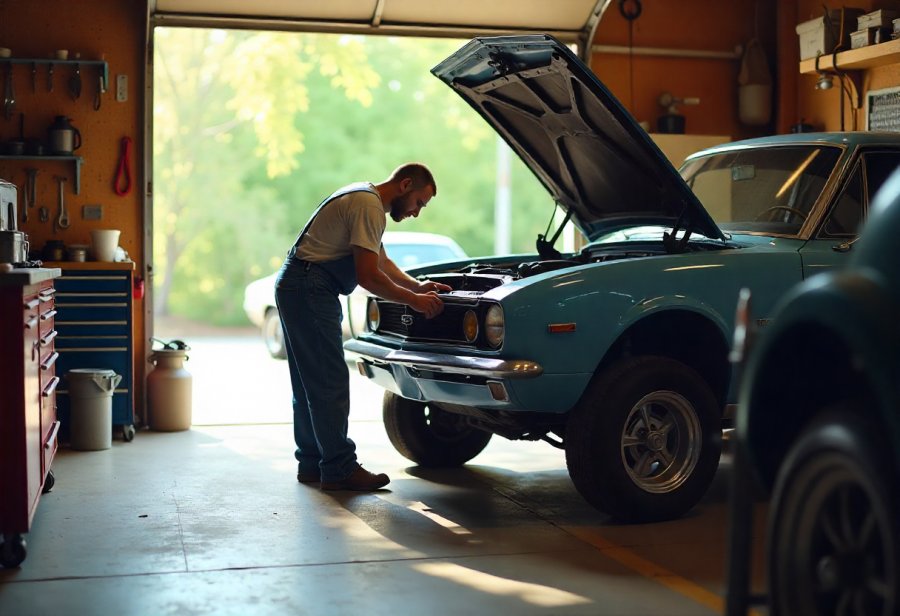
Masterful garage restoration hinges on subtle skills and practices that often go unnoticed but make all the difference in the final result. Rust removal, for instance, isn’t just about sanding away corrosion; it requires a strategic approach that combines chemical treatments, precise welding, and sometimes patching with fresh metal to preserve the structure’s integrity. These techniques demand patience and a gentle touch, often learned through experience or mentorship, but they significantly elevate the quality of the restoration.
Engine rebuilding exemplifies craftsmanship at its finest. It’s not simply about swapping worn parts but understanding the precise torque, timing, and compression needed for smooth operation. Skilled restorers may craft custom jigs or use vintage tools to ensure perfect fitment, turning what might be routine into an art form. Hidden practices like meticulous cleaning, careful lubrication, and precise calibration are vital, often kept behind closed doors, yet they define the professional touch that transforms a good rebuild into a masterful restoration.
Reviving rusted panels into sleek surfaces requires finesse. Removing corrosion without damaging the original metal involves techniques like chemical stripping, strategic welding, and patching—each step demanding a steady hand and an eye for detail. Experienced restorers develop a quiet mastery, knowing when to intervene and when to step back, to preserve as much of the original character as possible. This patience and precision breathe new life into vintage beauty, turning damaged panels into pristine highlights of a project.
Interior restoration also relies on a keen eye for authenticity. Whether reupholstering seats or refurbishing gauges, attention to detail ensures the machine’s character remains intact. Many craftsmen develop unique methods for preserving original finishes or replicating vintage textures, sometimes even fabricating specialized tools or sourcing rare materials. Their dedication to authenticity transforms a simple repair into a preservation effort, capturing the essence of the machine’s history and soul.
Resourcefulness is essential when faced with limited parts or tools. Master restorers often improvise by building custom equipment, fabricating missing components, or sourcing rare parts from unexpected channels like swap meets or online markets. This ingenuity isn’t just about overcoming obstacles; it’s about deepening one’s understanding of mechanics and honing problem-solving skills. Every setback becomes an opportunity to innovate, and each solution adds to the craftsman’s growing mastery.
At its core, garage craftsmanship is driven by passion. It’s a mindset that values patience over haste, precision over shortcuts, and respect for the machine’s history. These hidden practices—those refined techniques passed down through generations—are what elevate a project from ordinary to extraordinary. They preserve the soul of restoration, ensuring that the craft remains vibrant, relevant, and inspiring for those who come after.
Turning Passion into Action: Real-World Garage Projects and Triumphs
Practicing the principles of garage passion in real-world projects begins with small, achievable tasks that build confidence and skill. Restoring a vintage carburetor or fine-tuning an engine might seem straightforward, but these steps teach patience, precision, and attention to detail. Many hobbyists document their progress through photos and notes, sharing their experiences on forums and social media. This steady, manageable approach keeps frustration at bay and transforms an otherwise cluttered garage into a workshop where every small success fuels motivation for the next challenge.
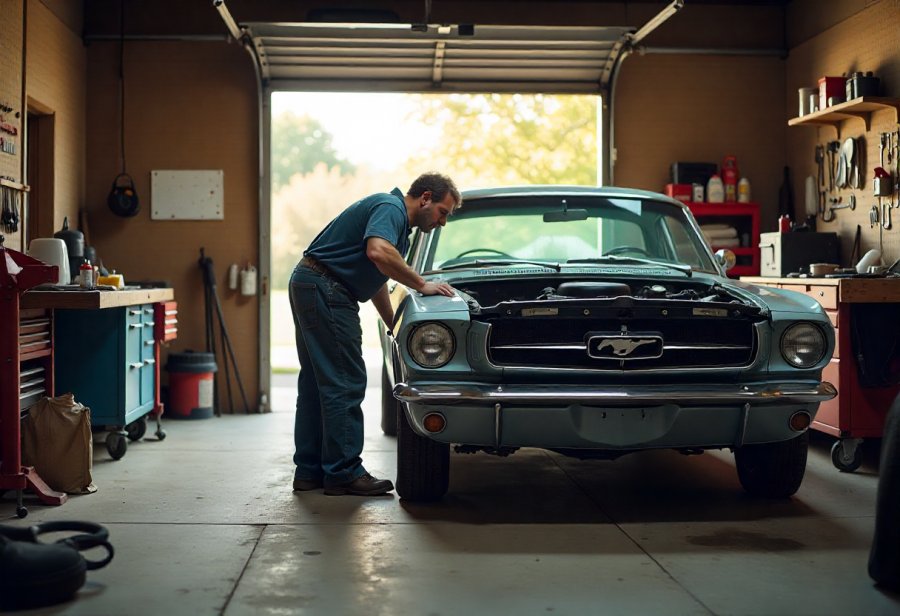
Stories of triumph are everywhere—like the owner who rescued a neglected 1960s Mustang. After sourcing authentic parts, they carefully removed rust, rebuilt components, and applied traditional techniques such as hand-sanding and welding. Watching that dormant machine come back to life creates a deep sense of pride, proving that dedication and craftsmanship are accessible to anyone willing to put in the effort. These projects show that patience and perseverance are just as crucial as technical skill.
Tools are central to turning passion into results. Starting with basic hand tools like wrenches and screwdrivers, hobbyists often expand their collections with specialized equipment like engine hoists or welding machines. Limited space or resources don’t have to be barriers; resourceful restorers build custom tools, improvise solutions, or find parts at swap meets and online marketplaces. This inventive mindset turns obstacles into opportunities, keeping projects moving forward despite setbacks and making the process as rewarding as the finished product.
Organization transforms a garage from a chaotic space into a productive workshop. Setting up practical storage solutions—like pegboards, labeled drawers, or dedicated workbenches—streamlines the workflow. Learning to source the right parts, whether through online searches or local shops, becomes second nature. Hands-on practice, tutorials, and advice from experienced restorers build a solid foundation, enabling hobbyists to take on increasingly complex projects with confidence and efficiency. A well-organized garage becomes more than a workspace; it becomes a hub of continuous learning and achievement.
Problem-solving is integral to applying garage principles. When faced with missing parts or unexpected rust damage, hobbyists develop creative solutions—fabricating custom components or refining existing ones. These challenges foster resilience and deepen mechanical understanding. Every setback becomes a chance to innovate, turning frustration into progress. Sharing these experiences within a community of enthusiasts reinforces the importance of patience, ingenuity, and perseverance, which are the true keys to mastering vintage restorations.
The emotional reward of completing projects keeps the passion alive. Every bolt tightened or engine tuned builds confidence and a sense of ownership. Sharing progress online and exchanging tips cultivates a supportive community that celebrates each milestone. These experiences reinforce that craftsmanship isn’t just about fixing machines; it’s about preserving a tradition of patience, skill, and pride. Each successful restoration adds to a legacy of mechanical artistry, inspiring others to follow in the footsteps of backyard mechanics everywhere.
The Future of Backyard Craftsmanship: Tradition Meets Innovation
The future of backyard garage craftsmanship looks brighter than ever, blending time-honored skills with the latest technology. Online communities, social media, and digital platforms continue to spread stories of restoration triumphs, making knowledge more accessible and inspiring for newcomers. Today’s hobbyists can leverage affordable tools like 3D printing, digital diagnostics, and step-by-step tutorials, which enhance precision and confidence in their projects. These innovations complement traditional techniques, ensuring craftsmanship remains rooted in hands-on skill while embracing modern convenience.
Even as automation and mass production reshape industries, the personal touch of a skilled restorer holds unmatched value. Many enthusiasts understand that the subtle techniques passed down through generations—patience, attention to detail, and respect for history—are irreplaceable. Preserving these artisanal practices keeps the spirit of craftsmanship alive, giving each project authenticity and a sense of pride that cannot be replicated by machines. This connection to tradition sustains the culture and motivates new generations to learn and carry forward the legacy.
Challenges like sourcing authentic parts or finding specialized tools still exist, but they often spark creativity rather than frustration. Restorers develop inventive solutions—building custom tools, fabricating missing components, or sourcing rare parts from unexpected channels like swap meets or online marketplaces. This resourcefulness fosters resilience and innovation within the community, ensuring that setbacks become opportunities for growth. It keeps the craft dynamic and relevant, inspiring continuous learning and problem-solving.
Environmental awareness is increasingly shaping the garage scene. Restorers are adopting sustainable practices—recycling parts, reducing waste, and working with eco-friendly materials—without compromising quality. This mindful approach aligns passion with responsibility, ensuring that craftsmanship contributes to a healthier planet. It encourages hobbyists to think creatively about resourcefulness and longevity, embedding sustainability into the core of their work.
Looking ahead, the blend of tradition and technology will continue to evolve the scene. Digital tools will make complex repairs more approachable, while time-tested techniques will preserve the authenticity that defines vintage restoration. The garage space itself is transforming into a hybrid hub—where innovation and heritage coexist—making it easier for anyone with a spark of passion to contribute and learn. This evolving landscape promises to keep the culture vibrant, inclusive, and inspiring.
The enduring appeal of backyard garages lies in their ability to adapt without losing their soul. They remain spaces of patience, perseverance, and craftsmanship—places where stories are built one bolt at a time. As more enthusiasts embrace both old-school techniques and new innovations, they reinforce the community’s resilience and creativity. Each project adds to a living legacy that celebrates dedication, skill, and love for the craft, ensuring that the spirit of the backyard mechanic continues to thrive for generations to come.