In an era where effective communication is vital for success, customized telephony solutions are transforming how businesses operate and connect. Imagine streamlining customer interactions with intelligent call routing and personalized features—are you leveraging the full potential of platforms like Grandstream? The evolution from Alexander Graham Bell’s early inventions to today’s cloud-managed, AI-powered systems highlights a relentless pursuit of smarter, more adaptable communication tools. Modern organizations benefit from scalable, easy-to-manage IP phones and centralized management platforms that enhance efficiency, customer satisfaction, and growth. But as technology advances with 5G, virtual assistants, and deep analytics, how will your business keep pace? The future promises seamless, intelligent interactions that blur the line between human and automation, demanding a strategic shift in how we view telephony—not just as a tool, but as a competitive advantage. Are you ready to embrace this new era of connected innovation?
Transform Your Business with Customized Telephony Solutions
In today’s fast-paced business world, effective communication is more than just a convenience—it’s a critical driver of success. Moving beyond standard phone systems, customized telephony solutions allow organizations to shape their communication channels to fit specific workflows and customer expectations. By tailoring features like dedicated extensions, automated menus, and smart call routing, businesses can streamline daily operations while delivering a more seamless experience for both staff and clients.
Customizing your telephony setup isn’t just about adding a few bells and whistles; it’s about aligning your entire communication system with your strategic goals. When designed thoughtfully, these solutions enable faster response times, improved service quality, and greater control over your network. For example, automated call routing can direct customers to the right department instantly, reducing wait times and increasing satisfaction—turning a simple call into a positive interaction.
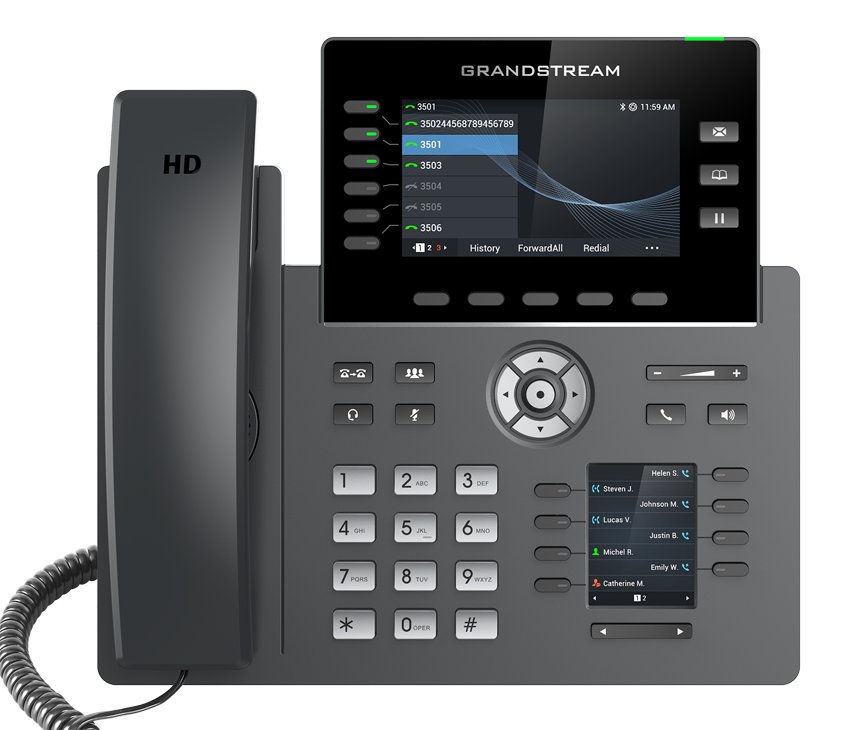
Recent technological advances have made such customizations more accessible and manageable than ever. Cloud management platforms like Grandstream’s GDMS simplify deployment across multiple locations, allowing for easy configuration, ongoing monitoring, and quick updates. High-quality IP phones, such as those from Grandstream’s range, serve as the primary interface for voice communication and can be personalized to support unique organizational needs. These devices are adaptable, supporting everything from simple extensions to complex auto-attendant systems.
The benefits extend well beyond operational efficiency. When communication channels are tailored to fit your business, relationships with customers strengthen through faster, more professional interactions. Simultaneously, organizations gain the agility to adapt quickly—whether adding new users, expanding to additional locations, or integrating new digital tools—without major disruptions. This strategic approach transforms traditional telephony into a vital asset that supports growth, competitiveness, and customer loyalty.
As technology continues to evolve, the focus shifts toward systems that are scalable, flexible, and easy to manage. Cloud-based platforms and AI-driven features, like virtual assistants and intelligent call routing, are paving the way for smarter, more responsive communication. Embracing these innovations now sets the stage for a future where your telephony system not only keeps pace with change but actively drives your business forward.
Tracing the Remarkable Evolution of Telephony Technology
The story of telephony is a remarkable journey of continuous innovation that transformed the way people communicate across distances. It all began with Alexander Graham Bell’s groundbreaking invention in the late 1800s, which turned long-distance conversations from a slow, unreliable process into a real-time experience. Early systems relied on analog signals transmitted over copper wires, providing decent quality but facing limitations in clarity, scalability, and flexibility. These foundational technologies set the stage for subsequent advancements that would reshape communication forever.
The introduction of switching systems in the early 20th century marked a major milestone. Manual switchboards gave way to automated exchanges, enabling more complex call routing and connecting multiple lines more efficiently. This shift made long-distance calling more practical and accessible to the masses, laying the groundwork for modern telephony. As networks expanded, standards and protocols emerged to improve compatibility and security, supporting the growth of a global communication infrastructure.
Digital technology’s rise in the 1960s and 1970s further revolutionized telephony. Features like voicemail, call forwarding, and automated attendants brought automation and personalization into everyday use. These innovations allowed organizations to tailor their communication workflows, making interactions smoother and more efficient. The advent of digital switching laid a foundation for more advanced features, setting the stage for the internet to become a game-changer in the industry.
The late 20th century saw the emergence of internet Protocol (IP) technology, transforming telephony from traditional analog into digital, internet-based systems. Voice over IP (VoIP) technology dramatically lowered costs and unlocked new possibilities for customization, scalability, and integration with other digital tools. VoIP made it easier for organizations of all sizes to implement auto-attendants, call routing, and personalized features, turning telephony into a strategic asset rather than just a communication tool.
Over the decades, major companies like AT&T expanded networks and established standards, ensuring interoperability and security. Meanwhile, industry players like Cisco and Grandstream pushed innovation further with cloud-based management solutions and high-quality devices. These developments have made tailored telephony systems more reliable, scalable, and user-friendly, enabling organizations to deploy personalized communication solutions across multiple locations with ease.
Today’s telephony solutions are the result of over a century of relentless progress, from simple voice transmission to sophisticated, cloud-managed platforms. This evolution reflects a constant drive for better, more adaptable communication tools that serve both operational and strategic needs. As technology continues to advance, the future promises even smarter, more integrated systems that will further enhance how organizations connect, collaborate, and deliver value.

Navigating Today’s Dynamic Telephony Landscape
Today’s telephony landscape is more adaptable and dynamic than ever, driven by a strong shift toward cloud-based platforms that empower businesses to deploy, modify, and monitor their systems with ease. These platforms eliminate the need for bulky on-site hardware, allowing organizations to scale their communication infrastructure quickly and respond swiftly to changing demands. The result is a flexible environment where upgrading features and expanding capacity happen seamlessly, keeping businesses agile and competitive.
IP phones from brands like Grandstream have become the standard for modern communication. These devices are not just simple calling tools—they’re highly customizable interfaces that support personalized extensions, integrated apps, and programmable buttons. Such flexibility enables organizations to tailor their communication channels precisely to their workflows, departments, or customer needs, transforming these phones into central hubs of operational efficiency.
Current practices emphasize automation and intelligent call routing, which significantly enhance customer experience and internal workflows. Auto-attendants direct callers to the appropriate departments instantly, while features like call forwarding and queues ensure no call goes unanswered. These tools reduce response times and free staff from manual routing, allowing them to focus on higher-value tasks, which in turn boosts productivity and satisfaction.
The rise of centralized management through platforms like Grandstream’s GDMS has revolutionized device oversight. Managers can configure, troubleshoot, and monitor all endpoints remotely, ensuring consistency across multiple locations. This level of control minimizes downtime and operational costs, supporting rapid deployment and updates that keep communication systems aligned with evolving business needs.
The overall attitude among organizations leans toward scalable, easy-to-manage solutions that support growth and flexibility. Whether expanding to new sites or integrating with other digital tools, companies prefer systems that adapt without major disruptions. This approach fosters an environment where communication infrastructure becomes a strategic asset—driving efficiency, improving engagement, and enabling quick adaptation to market changes.
Emerging trends point toward smarter, AI-powered systems that further personalize interactions. Virtual assistants and intelligent routing make conversations more natural and efficient, reducing the load on staff and enhancing customer satisfaction. Coupled with the rollout of 5G, these innovations promise clearer calls, lower latency, and richer multimedia experiences that push the boundaries of traditional telephony.
Network optimization techniques, such as Quality of Service (QoS), play a crucial role in maintaining high call quality across multiple locations. They ensure that voice traffic receives priority, preventing disruptions during busy periods and supporting reliable, crisp communication regardless of network load. This technical backbone is essential for delivering the seamless experience users expect from modern telephony.
Today’s telephony solutions reflect a clear move away from hardware-heavy setups toward cloud-enabled, highly customizable platforms. These systems give organizations the tools to boost operational efficiency, provide superior customer service, and stay ahead in an increasingly connected world. As technology continues to evolve, the future of telephony will bring even more integrated, intelligent, and responsive communication environments that support strategic growth and innovation.
Real-World Success Stories with Tailored Telephony Systems
Customized telephony solutions are already making a tangible difference in daily business operations. Take retail chains, for example. By implementing auto-attendants that swiftly direct customers to the right store or department, they significantly cut down wait times and boost customer satisfaction. When callers reach the correct destination on their first try, it creates a smoother experience that encourages loyalty and positive impressions.
Inside offices, tailored systems help streamline internal workflows. Customer support teams, for instance, can automate call distribution so agents spend less time routing calls and more time resolving issues. Sales teams benefit from dedicated extensions that connect them directly with clients across different regions, making outreach faster and more efficient. Features like conference calling and call queues foster smoother collaboration, helping teams stay aligned and make decisions quicker.
Real-world examples highlight these benefits clearly. One healthcare provider deployed Grandstream IP phones across multiple clinics, customizing auto-attendants and call routing to improve patient experience. Patients instantly reach the right department, reducing frustration and wait times. Similarly, a retail chain expanded to new locations, using auto-attendants and dedicated extensions to handle increased call volume without sacrificing service quality. These stories show how customized telephony can boost both operational efficiency and customer satisfaction.
Effective deployment starts with understanding specific business needs. Organizations should map out their workflows, identify pain points, and then select the features that will deliver the most value. Using reliable devices like Grandstream’s IP phones and centralized management tools such as GDMS makes deployment across multiple sites straightforward. Ensuring your network is optimized with proper bandwidth and Quality of Service guarantees clear, stable calls even during busy periods.
Of course, implementing these systems isn’t without challenges. Compatibility issues can arise when integrating new IP phones with legacy setups, requiring careful testing. Security is critical—without proper safeguards, systems could be vulnerable to cyber threats. Resistance from staff unfamiliar with new features may slow adoption, making training essential. Despite these hurdles, the long-term gains in efficiency, customer experience, and flexibility make the effort worthwhile.
Ultimately, tailored telephony solutions become strategic assets that support growth and enhance service. When deployed thoughtfully, they enable organizations to respond quickly to changing demands, strengthen customer relationships, and stay competitive in a connected world. By focusing on practical applications, businesses can turn their communication infrastructure into a powerful tool for success.

Gazing Into the Future of Customized Telephony Innovation
The future of customized telephony is set to be shaped by innovations that will make communication more seamless, intuitive, and intelligent. Artificial Intelligence (AI) will play a central role, enabling voice recognition, smarter call routing, and personalized responses that feel natural rather than scripted. Virtual assistants will handle routine inquiries, learning from each interaction to improve their accuracy and efficiency, freeing up staff to focus on more complex, high-value tasks. This shift will transform how organizations engage with customers, making interactions faster and more relevant.
With the rollout of 5G networks, these advancements will accelerate even further. Faster, more reliable connections will support high-definition video calls, real-time translation, and augmented reality (AR) features integrated directly into telephony platforms. This increased bandwidth will enable deeper integration of communication tools with digital workflows, creating a unified environment that responds instantly to user needs. As a result, call quality will improve dramatically, with disruptions and delays becoming a thing of the past, supporting richer multimedia experiences.
Cloud-based platforms will continue evolving, offering organizations the ability to manage their entire communication ecosystem remotely and with ease. Updates, new features, and scaling will become almost instantaneous, reducing costs and downtime. Embedded analytics will provide ongoing insights into call patterns, customer preferences, and agent performance, fueling continuous improvements and more personalized service. This data-driven approach will enable businesses to refine their communication strategies constantly, staying ahead of customer expectations.
Automation will deepen, with AI-driven virtual assistants and chatbots increasingly engaging with customers. These tools will adapt based on caller history, time of day, and contextual cues, making each interaction more relevant and efficient. Companies that leverage these innovations will deliver a level of service that feels genuinely tailored, fostering stronger customer loyalty and satisfaction. As these systems become smarter, the line between human and automated interactions will blur, creating seamless experiences across channels.
Security and privacy will remain vital as telephony systems become more sophisticated. Future solutions will incorporate advanced encryption, biometric authentication, and AI-enabled threat detection to safeguard sensitive conversations. Balancing innovation with robust security measures will be essential to maintain trust and comply with evolving regulations. This focus will ensure that as communication becomes more integrated and intelligent, it also remains safe and trustworthy.
Overall, the trajectory points toward systems that are not only more flexible and scalable but also smarter and more responsive. Organizations that adopt these emerging trends early will craft communication experiences that are natural, efficient, and aligned with their strategic goals. The next generation of telephony will evolve from static hardware setups into dynamic, adaptable platforms, supporting business growth, customer engagement, and innovation in an increasingly connected world.