



Learning to ride a bike symbolizes more than just a physical skill; it embodies courage, independence, and the unbreakable bonds of family. From nervous first wobbles to triumphant rides, children’s journeys are filled with support, setbacks, and joyful victories. But does the fear of falling overshadow the thrill of newfound freedom? With historical innovations like safety bicycles and modern support tools such as balance bikes and adjustable training wheels, the path to mastery has become safer and more accessible. Today’s evolving landscape emphasizes confidence, safety, and inclusivity, fostering resilience and a lifelong love of outdoor exploration. As technology advances, personalized training and community initiatives promise to make learning even more empowering. Will these innovations help every child conquer their fears and experience the joy of riding? Ultimately, mastering two wheels is about more than movement—it’s about nurturing confident explorers ready to pedal into future adventures.
The Journey to Independence and Family Bonds Through Learning to Ride
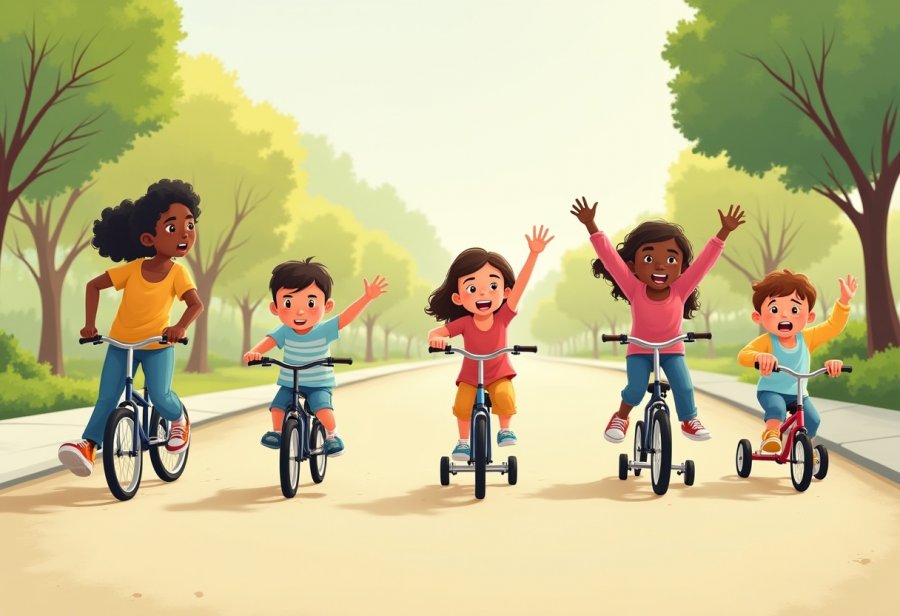
Learning to ride a bike isn’t just about mastering a physical skill; it’s a moment that captures courage, independence, and family connection all at once. For many children, that first wobble on two wheels marks a milestone that stays with them for years—an experience filled with a mix of nervousness, excitement, and pride. It’s a rite of passage that often signals a step toward growing up and exploring the world around them with confidence.
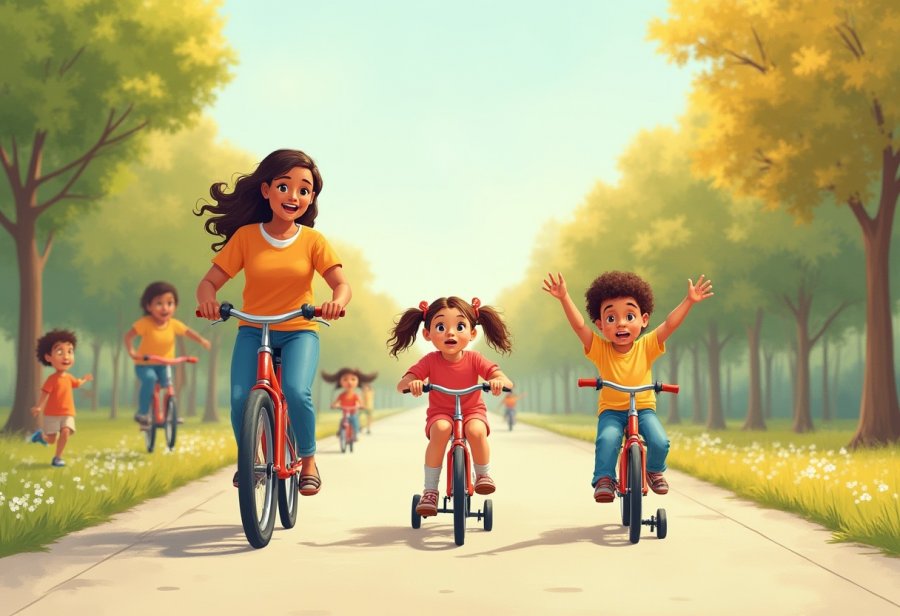
This process is often a shared family experience. Parents might jog alongside, offering gentle support and words of encouragement, while siblings cheer from the sidelines. These moments turn into treasured memories—small victories celebrated together, setbacks viewed as part of the learning journey. Learning to ride becomes more than just balancing on a bike; it’s about building trust, resilience, and a sense of achievement that strengthens family bonds.
The emotional aspect is just as vital as the physical one. Fear of falling can hold kids back from trying altogether, but with patience and reassurance, those fears gradually diminish. Breaking down the process into manageable steps—starting with balance, then steering, and finally pedaling—helps children gain confidence without feeling overwhelmed. Each small success fuels their belief that they can conquer new challenges, both on and off the bike.
At its core, riding a bike symbolizes independence. When children finally master pedaling on their own, they experience a newfound sense of freedom. This achievement boosts self-esteem and inspires a spirit of adventure, encouraging kids to explore further and take on new challenges. The journey of learning to ride is not just about physical skill—it’s a pathway to emotional growth, self-reliance, and joyful discovery that lasts a lifetime.
Tracing the Roots: How Bicycle Riding Became a Childhood Milestone
The story of children learning to ride bikes stretches back over a century, reflecting how this milestone has evolved alongside technological and societal changes. Early bicycles, like velocipedes and penny-farthings, were bulky, difficult to handle, and largely reserved for adults or adventurous kids willing to brave their quirks. For many children, simply watching others ride these awkward machines felt like a distant dream. It wasn’t until the invention of the safety bicycle in the late 1800s that cycling became a practical and accessible activity for young riders, thanks to their lower centers of gravity and easier handling. This innovation opened the door to a new era of independence and adventure for kids everywhere.
As bicycles grew more common, attitudes toward cycling shifted from a mere mode of transportation to an essential part of childhood development. Families began encouraging children to get on bikes, recognizing them as tools for building confidence and independence. In those early days, learning often involved trial and error—parents holding bikes steady or children figuring things out on their own, sometimes resulting in tumbles and scrapes. These experiences, while challenging, laid the foundation for understanding how kids develop balance, coordination, and a sense of mastery over their environment.
Safety concerns eventually prompted the development of supportive tools like training wheels, which allowed children to practice balancing with added stability. Helmets and knee pads became standard gear, emphasizing safety without dampening the fun. These innovations helped children approach riding with more confidence, reducing fears and making the learning process more structured and reassuring. Over time, lightweight balance bikes designed specifically for early learners emerged, helping kids develop core skills like balancing and steering before transitioning to pedal bikes.
Today, the landscape of learning to ride continues to evolve with a focus on safety, confidence, and inclusivity. Modern balance bikes and adjustable training wheels support gradual skill-building, allowing children to progress at their own pace. Community programs and organized lessons foster safe environments where kids can practice in parks or designated cycling zones, making the experience both fun and educational. These developments reflect a broader understanding that learning to ride isn’t just about physical skills but also about fostering resilience, independence, and joy in childhood.
Throughout history, the way children learn to ride mirrors deeper cultural shifts—shifts toward valuing outdoor activity, safety, and personal growth. Whether in bustling cities or rural villages, the core remains the same: riding a bike is a universal milestone that symbolizes more than just physical ability. It embodies freedom, confidence, and the spirit of exploration, shaping generations of young adventurers eager to pedal into new horizons.
Modern Methods and Trends Shaping the Way Kids Learn to Ride
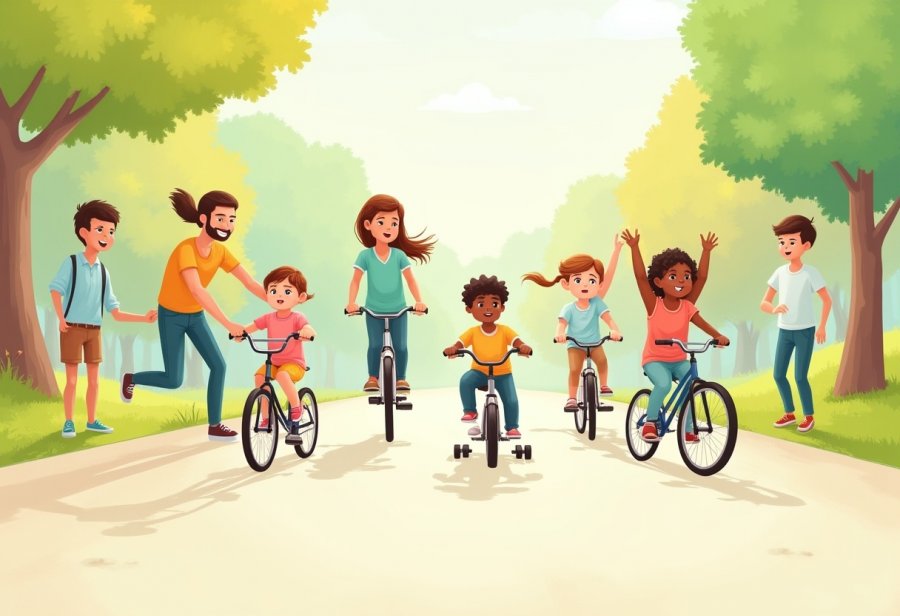
Today’s approach to helping children learn to ride a bike blends time-honored methods with modern innovations that emphasize safety and confidence. Many parents begin with balance bikes—lightweight, pedal-free options that allow kids to focus solely on developing their sense of balance and steering. This early step makes the transition to pedal bikes smoother, as children already feel secure in their ability to control their movement. These bikes are designed to be manageable and fun, helping kids build confidence from the start.
While training wheels remain a common tool, they’ve evolved to be more adjustable and easier to remove gradually. This support system lets children progress at their own pace, gaining independence without the fear of falling. Practicing in safe, flat environments like parks or driveways encourages kids to focus on mastering balance and steering without added pressure. This relaxed setting helps maintain their enthusiasm and prevents frustration.
Safety gear has become an essential part of the learning experience. Helmets, knee pads, and reflective clothing are now standard, making children feel protected and more willing to try riding without fear. Parents and instructors emphasize that safety equipment isn’t just about protection; it’s about empowering kids to ride confidently. This shift creates a positive atmosphere that encourages persistence and enjoyment during the learning process.
Cultural differences influence how children are introduced to cycling. In Western countries, structured lessons and community programs are common, often involving organized classes or cycling clubs that teach skills and safety in a social setting. Conversely, in densely populated urban areas of Asia, children often learn informally through daily routines and family support. In rural regions of Africa or South America, riding often happens naturally during play or chores. Despite these variations, the goal remains universal: fostering confidence and independence on two wheels.
Modern teaching strategies focus on breaking down the learning process into manageable steps. Starting with balance, then steering, followed by pedaling, helps children develop skills gradually without feeling overwhelmed. Practicing in controlled environments fosters a sense of achievement and enjoyment, making cycling a fun activity rather than a stressful challenge. This method nurtures a lifelong love for riding and outdoor exploration.
Community initiatives and local policies also shape how children learn to ride today. Many cities have dedicated cycling zones, safety guidelines, and organized lessons designed to make learning safer and more accessible. These efforts promote responsible cycling habits early on and create a safety-oriented culture around biking. When families have access to such supportive environments, children tend to progress more quickly and confidently, turning riding into a positive, shared adventure.
From Skills to Life Lessons: The Personal and Social Benefits of Riding
Learning to ride a bike goes far beyond just balancing on two wheels; it opens doors to personal growth, independence, and lifelong habits. When children master pedaling on their own, they gain a new sense of confidence that influences many areas of their lives. This small achievement encourages them to explore their neighborhood, visit friends, or run simple errands—steps that foster autonomy and reinforce their belief in their abilities.
Cycling also plays a crucial role in promoting a healthy, active lifestyle from an early age. Kids who learn to ride are more likely to develop lifelong habits around outdoor activity and fitness. Regular cycling helps improve strength, coordination, and cardiovascular health, making movement enjoyable rather than a chore. When outdoor exploration becomes part of their routine, children develop a deeper appreciation for nature and the environment, nurturing curiosity and a sense of adventure.
Beyond physical benefits, learning to ride teaches resilience. Falling and getting back up is part of the process, helping children understand that setbacks are temporary and manageable. Overcoming initial fears—particularly the fear of falling—builds emotional strength and perseverance. These lessons in persistence become valuable tools, equipping kids to face future obstacles with courage, patience, and a positive mindset.
Shared moments with family deepen bonds and create lasting memories. Whether parents jog alongside, siblings cheer from the sidelines, or family outings turn into mini-adventures, these experiences foster teamwork and patience. Celebrating small victories, like balancing without support or riding independently for the first time, boosts self-esteem. These joyful interactions remind children that they are supported and loved, making the journey of learning both meaningful and fun.
Mastering bike riding also acts as a gateway to new adventures and personal growth. It transforms children’s ability to navigate their surroundings and encourages a spirit of exploration and risk-taking. The confidence gained from overcoming fears and learning new skills fuels their curiosity and desire to discover unfamiliar places. Beyond physical activity, riding a bike nurtures responsibility—through bike maintenance and safety—and fosters a love for outdoor discovery. This foundation helps shape resilient, responsible individuals eager to pedal into future challenges with independence and joy.
Looking Ahead: Innovations and Future Pathways in Teaching Children to Ride
Learning to ride a bike has stood the test of time because it blends physical skill with emotional growth—building confidence, fostering independence, and strengthening family bonds. Looking ahead, innovations in technology promise to make this journey even more accessible and enjoyable for children. Smarter balance bikes, equipped with safety features and user-friendly designs, are already helping kids develop core skills more quickly. Virtual environments and augmented reality tools could soon create immersive, low-pressure ways for children to practice and build confidence without the fear of falling, making the learning process smoother and more engaging.
Community programs and policy initiatives are also evolving to support safer, more inclusive learning environments. Many cities now design dedicated cycling zones, safety guidelines, and organized lessons that make learning to ride more accessible and less intimidating. These efforts not only improve safety but also foster a culture of responsible and joyful cycling from an early age. As awareness of outdoor activity’s benefits for health and development grows, more regions are investing in programs that bring cycling within reach for children from all backgrounds, encouraging lifelong habits of movement and exploration.
The way we teach children to ride will likely become more personalized as technological advances continue. Wearable sensors and data collection tools may soon tailor training to each child’s unique pace and comfort level, reducing frustration and boosting confidence. This individualized approach ensures that every child can progress at their own speed, making the experience less stressful and more rewarding. As these tools become more common, learning to ride will shift from a challenging milestone to a fun, confidence-building journey tailored to each young rider.
Cultural attitudes around cycling education are also changing. In many parts of the world, outdoor activity and active play are increasingly recognized as essential for healthy childhood development. Public initiatives now promote safe, community-based learning experiences, integrating cycling into school programs and local events. These efforts not only teach riding skills but also emphasize safety, environmental awareness, and social engagement, creating a comprehensive foundation for responsible cycling. Such approaches help instill a love for biking that can last a lifetime and inspire a new generation of confident, independent explorers.
Despite these advancements, questions remain about how best to support children with different needs or fears. Researchers and educators are exploring ways to reduce anxiety and build resilience, ensuring that every child has the opportunity to enjoy the freedom of riding. Encouraging supportive environments and celebrating small successes can make a significant difference, helping hesitant learners overcome their fears and develop a positive association with cycling. As understanding deepens and tools improve, the future of teaching kids to ride will focus on inclusivity, safety, and fostering joy in every young rider.
In the end, the combination of technological innovation, community support, and evolving educational strategies promises a brighter future for children learning to ride. Smarter bikes, virtual practice tools, and dedicated safe spaces will help reduce fears and accelerate skill development. This progress will ensure that more children experience the thrill of independence and the joy of exploration that comes with mastering two wheels. By continuing to prioritize safety, inclusivity, and fun, we can make sure that the timeless milestone of learning to ride remains a positive, empowering experience for generations to come.