




The Ford Mustang embodies the essence of American muscle, freedom, and rebellion—yet what makes this iconic car a lasting legend across generations? From its debut in 1964 to today’s modern variants, the Mustang has continually evolved without losing its core identity. Its striking design, powerful engines, and cultural presence have cemented its status as more than just a vehicle—it’s a symbol of independence, resilience, and innovation. How has this car maintained its appeal amidst shifting tastes and technological advances? Its deep roots in pop culture, racing history, and social movements reveal a story of daring spirit and relentless progress. As Ford ventures into electrification and sustainability, the question remains: can the Mustang preserve its rebellious heart while embracing a greener future? This ongoing journey promises to keep the legend alive, inspiring new generations to chase their dreams on the open road.
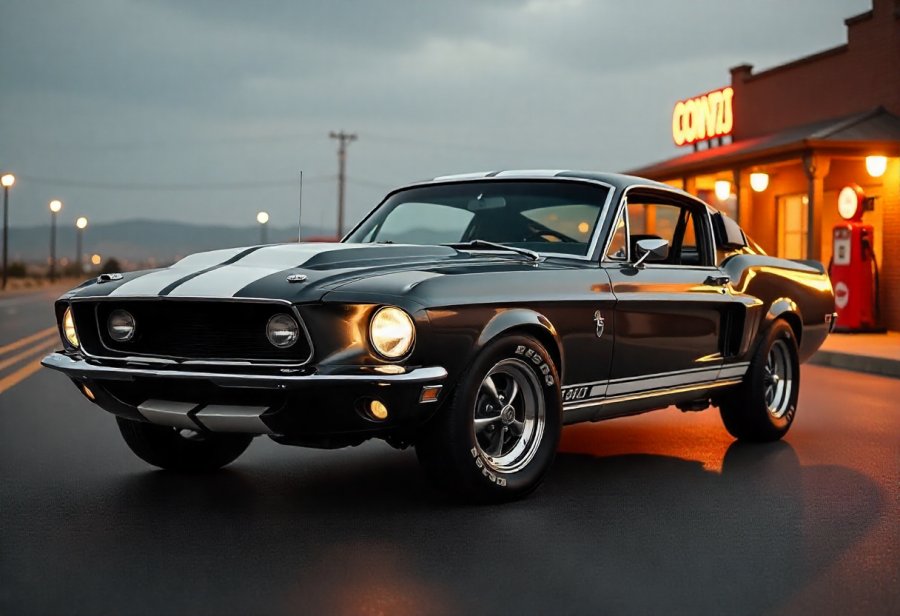
The Mustang’s Legacy: An Icon of American Freedom and Style
The Ford Mustang isn’t just a car; it’s a symbol of American ingenuity and style that has captivated drivers for over half a century. Since its debut in 1964, the Mustang has become a cultural icon representing freedom, power, and youthful rebellion. Its distinctive design and roaring performance have made it a staple of American automotive culture, inspiring countless enthusiasts and shaping the muscle car era. Today, the Mustang remains a legendary nameplate, blending timeless appeal with modern innovation and continuing to embody the spirit of the open road.
What sets the Mustang apart isn’t solely its performance or looks, but the way it resonates on a deeper level. It embodies the desire for independence and adventure, offering drivers a sense of empowerment behind the wheel. Its bold, aggressive styling signals confidence and attitude, while its engineering ensures an exhilarating driving experience that’s hard to match. Over the decades, the Mustang has stayed true to these core qualities, maintaining its relevance as a symbol of resilience and creativity in American automotive history.
The cultural impact of the Mustang extends far beyond the showroom. It has appeared in movies, music, and television, cementing its status as a pop culture icon. From the famous car chase in *Bullitt* to its presence on album covers, the Mustang’s image is woven into the fabric of American identity. It’s a car that stands for more than transportation; it’s a statement of freedom, rebellion, and individuality—values rooted deeply in the American spirit.
At its core, the Mustang’s lasting appeal lies in its ability to evolve without losing its identity. From the sleek lines and powerful V8 engines of its early days to today’s turbocharged models with advanced safety tech, each generation builds on its rich legacy. This balance between tradition and innovation allows the Mustang to appeal to both nostalgic fans and new drivers craving a spirited ride.
Despite the many changes over the years, what keeps the Mustang timeless is its power to evoke nostalgia while embracing progress. It continues to inspire pride and belonging among enthusiasts, whether they’re restoring vintage models or driving the latest versions. More than just a car, the Mustang is a symbol of American resilience and freedom—an icon that keeps inspiring drivers to chase their own adventures.
From Vision to Legend: The Mustang’s Historic Journey and Lasting Impact
The Ford Mustang’s journey began in 1964 with a bold vision: to create a sporty, affordable car that would capture America’s growing appetite for performance and style. Its debut was met with immediate excitement, thanks to its sleek lines, distinctive design, and versatile engine options. The first-generation Mustang set the tone with its compact yet muscular form, quickly becoming a cultural phenomenon that resonated with young drivers eager for independence and self-expression. Its rapid success—selling over a million units in just the first year—established a new segment in the automotive industry, the pony car, and marked a turning point in American car design.
As the decades rolled on, the Mustang’s evolution reflected shifting tastes, technological advances, and cultural currents. The 1970s brought sharper, more aerodynamic styling, while modern models showcase a blend of muscle car attitude and contemporary refinement. Performance capabilities expanded significantly, from early V8 engines to turbocharged EcoBoost options and hybrid variants, ensuring the Mustang remained relevant and exciting for new generations. Each update preserved core design cues, like the iconic pony grille and aggressive stance, creating a visual continuity that connects past and present.
The Mustang’s legacy extends beyond its looks and engines; it’s also a racing icon. High-performance models like the Shelby GT350 and GT500 proved their mettle on the track, achieving success in racing series such as Trans-Am and NASCAR. These victories elevated the Mustang from a street car to a symbol of speed and endurance, reinforcing its performance credentials. Its appearances in movies like *Bullitt* and *Gone in 60 Seconds* further cemented its status in pop culture, associating it with rebellion, adventure, and American grit.
What keeps the Mustang enduring is its ability to adapt without losing its identity. Each new generation stays true to its roots with signature design elements—such as the pony emblem and muscular silhouette—while incorporating modern technology and safety features. This balance allows it to appeal to both nostalgic enthusiasts and new drivers seeking a spirited, high-performance ride. The car’s consistent visual language and performance ethos foster a sense of continuity that spans decades, making it a perennial symbol of resilience and innovation.
Today, the Mustang continues to symbolize the American spirit—bold, rebellious, and forward-looking. Its story is far from over, as Ford invests in electrification and advanced technology to preserve its legacy. The challenge will be to maintain the core qualities that made it legendary—power, style, and attitude—while embracing a sustainable future. The Mustang’s evolution reflects its ability to stay relevant, inspiring new generations to chase the open road and keep the spirit of American muscle alive for years to come.
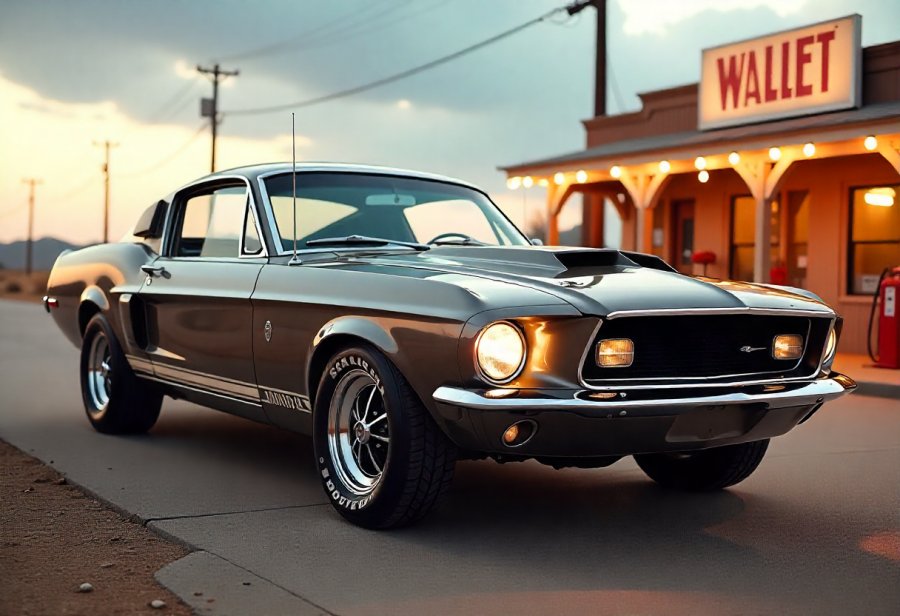
Design and Performance: The Core Elements That Make the Mustang Timeless
The Mustang’s design is one of its most recognizable and enduring qualities. Its bold pony grille and sweeping lines create an instantly identifiable silhouette that signals strength and agility. Over the years, these design cues have become synonymous with the car’s identity, making the Mustang stand out on any road. Details like racing stripes, hood scoops, and muscular proportions pay homage to its muscle car roots, reinforcing its aggressive stance and performance spirit.
Beyond aesthetics, performance is at the heart of the Mustang’s appeal. From its early V8 engines to modern turbocharged EcoBoost options, each generation has pushed the boundaries of power and handling. Advanced suspension systems and responsive driving technologies ensure that every ride delivers excitement and control. This seamless integration of raw power with finesse keeps enthusiasts coming back for that adrenaline rush that only a Mustang can deliver.
Design and performance are tightly intertwined, creating a driving experience that feels visceral and exhilarating. The car’s muscular form isn’t just for show; it’s engineered for speed and stability. Signature touches like hood scoops and racing stripes aren’t mere decoration—they celebrate the car’s racing heritage and amplify its bold character. This harmony of aesthetics and engineering is a key reason why the Mustang remains a timeless icon.
What makes the Mustang truly special is its ability to evolve without losing its core identity. Each new model retains signature elements—such as the iconic grille and aggressive stance—while embracing modern tech, safety, and comfort features. This careful balance allows it to appeal to nostalgic fans and new drivers alike, maintaining a sense of continuity that spans generations.
The cultural significance of the Mustang extends beyond design and performance. Its powerful image evokes notions of rebellion, independence, and freedom—values deeply woven into American culture. Its presence in movies, music, and television has helped cement it as a symbol of youthful spirit and daring adventure. These cultural associations reinforce the Mustang’s status as more than just a car; it’s a statement of identity.
Enthusiasts also prize the Mustang’s versatility. Whether restored to vintage perfection or customized with modern upgrades, each car tells a story of craftsmanship and passion. Car clubs and online communities celebrate its legacy, ensuring that its vibrant culture endures. This shared enthusiasm keeps the Mustang relevant and cherished across all age groups.
At its essence, the Mustang’s appeal lies in its perfect blend of bold design and exhilarating performance. It embodies the spirit of American muscle—powerful, stylish, and rebellious. This duality is what allows it to connect emotionally with drivers worldwide, making every journey feel like a statement of independence.
In the end, it’s the combination of design details, performance prowess, and cultural resonance that sustain the Mustang’s legendary status. It’s a car that not only looks fierce and drives exhilaratingly but also captures the imagination and spirit of a nation. This timeless appeal ensures the Mustang remains an automotive icon for generations to come.
More Than a Car: The Mustang’s Deep Roots in American Culture and Identity
The Ford Mustang has long transcended its role as just a car; it has become a powerful symbol deeply woven into the fabric of American culture. From the rebellious spirit of the 1960s to today’s modern interpretation, the Mustang embodies ideals like independence, confidence, and the pursuit of adventure. Its bold, aggressive design and roaring performance resonate with the core values of freedom and individualism that define the American identity.
Throughout the decades, the Mustang’s image has evolved alongside societal shifts, yet its essence remains unchanged. During the turbulent 1960s, it represented youthful optimism and defiance, often depicted in movies and music as a symbol of breaking free from convention. Classic films like *Bullitt* showcased the car’s speed and attitude, cementing its status as an icon of rebellion and daring. The Mustang became more than a vehicle; it was a cultural statement, capturing the spirit of a generation eager to carve its own path.
As the muscle car era progressed, the Mustang continued to symbolize power and resilience. Its presence in popular media—whether in TV shows, music albums, or advertisements—reinforced its role as an emblem of American ingenuity and grit. The car’s image of independence and freedom struck a chord with a broad audience, inspiring countless enthusiasts to restore, customize, and celebrate it as a personal emblem of identity and pride.
Today, the Mustang’s cultural significance remains strong, bridging past and present. It embodies a blend of nostalgia and innovation, appealing to both longtime fans and new generations of drivers. Its iconic design cues—like the pony emblem and muscular stance—continue to symbolize strength and rebellion, while modern features reflect the evolving American landscape. This seamless fusion of tradition and progress keeps the Mustang relevant as a symbol of resilience and the restless pursuit of freedom.
Beyond its visual and performance appeal, the Mustang fosters a vibrant community rooted in shared passion and storytelling. Car clubs, online forums, and restoration projects keep its legacy alive, turning ownership into a celebration of American craftsmanship and spirit. The Mustang’s enduring presence in popular culture, from movies to music, ensures that it remains a powerful icon—more than just a car, but a symbol of American dreams, resilience, and the unyielding desire to forge one’s own destiny.
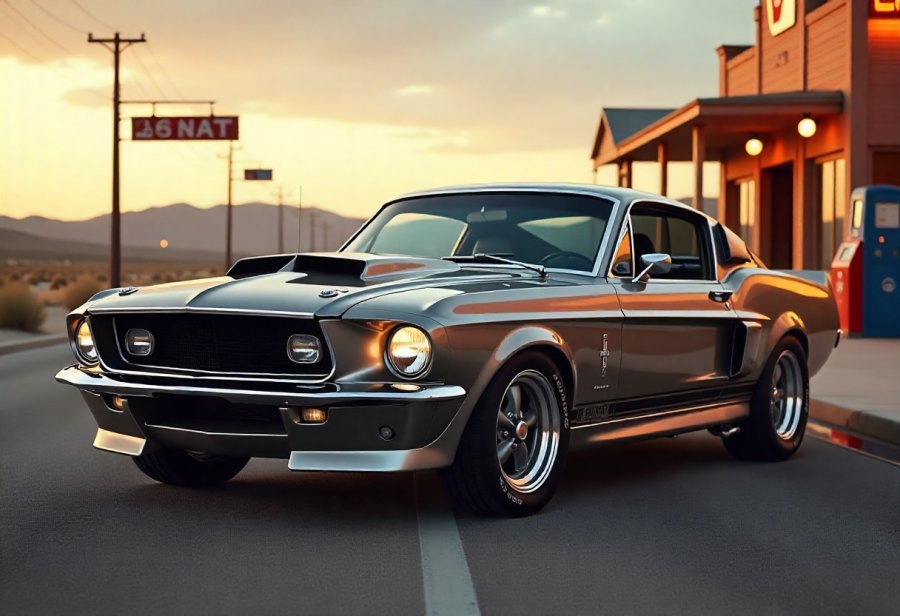
Looking Ahead: The Future of the Mustang in a Changing Automotive World
The Ford Mustang’s legacy as an American icon runs deeper than its striking design and powerful engines. Over more than half a century, it has become a symbol of freedom, resilience, and innovation—values that continue to resonate with drivers around the world. Its bold silhouette, marked by signature design cues like the pony grille and muscular stance, has remained instantly recognizable, bridging past and present with timeless appeal. Each new generation builds on this foundation, blending tradition with modern technology to stay relevant in a rapidly evolving automotive landscape.
Performance has always been at the heart of the Mustang’s allure. From its early days powered by mighty V8 engines to today’s turbocharged EcoBoost variants, every model pushes the boundaries of speed and handling. Modern Mustangs incorporate cutting-edge suspension systems and driver-focused features that deliver both adrenaline and control. This perfect mix of raw muscle and refined finesse keeps enthusiasts coming back, eager to experience that unmistakable thrill every time they get behind the wheel.
Beyond its technical prowess, the Mustang embodies a spirit of rebellion and independence that has defined American culture. Its appearances in iconic movies, music, and television have cemented its status as a symbol of daring adventure and youthful defiance. The car’s image continues to inspire new generations to chase their own dreams of freedom and self-expression, reinforcing its role as more than just a vehicle—it’s a cultural staple.
Looking ahead, the future of the Mustang is poised for exciting transformation. Ford’s focus on electrification aims to preserve the performance legacy while embracing sustainability. The upcoming electric models promise to deliver the same exhilarating drive, with innovative tech and eco-friendly powertrains. This shift will challenge the tradition of raw combustion but offers the opportunity to redefine what a muscle car can be in a greener world.
Balancing innovation with heritage will be key to maintaining the Mustang’s iconic status. Preserving signature design elements and the rebellious attitude while integrating advanced safety and connectivity features will ensure it appeals to both nostalgic fans and new drivers. The community of enthusiasts—restorers, modifiers, and collectors—will play a vital role in sustaining its cultural relevance, celebrating its storied past while shaping its future.
In the end, the Mustang’s enduring appeal lies in its ability to adapt without losing its core identity. It continues to inspire, challenge, and excite, embodying the restless spirit of American innovation and resilience. As it evolves into a more sustainable, high-tech performer, it will remain a powerful symbol of freedom and performance. The story of the Mustang is far from over; it’s set to inspire new generations to chase their dreams on the open road, just as it has for over fifty years.