




Could true leadership be rooted more in inner discipline than external achievements? Marcus Aurelius’s life offers a compelling answer: strength derives from mastering oneself amid chaos and challenge. This exploration reveals that inner resilience—cultivated through daily reflection, emotional regulation, and moral clarity—forms the foundation of genuine influence. Leaders who prioritize internal virtues like patience, humility, and perseverance build trust and enduring respect, even when external circumstances shift unpredictably. As the world grows more complex, the question intensifies: can cultivating this quiet strength be the key to inspiring lasting change? The journey of developing inner discipline remains ongoing, requiring deliberate effort and humility. Ultimately, while external victories may fade, the inner core of character and resilience continues to shape authentic leadership, guiding others through uncertainty with moral clarity and authentic influence.
Inner Power Unveiled: The True Source of Strength in Leadership
In a world that often celebrates outward success—big wins, wealth, status—it’s easy to think of strength as something visible and tangible. We admire leaders, entrepreneurs, and conquerors whose achievements are displayed through medals, titles, or massive empires. But history suggests there’s a different kind of power that’s less obvious yet far more enduring: inner discipline. This isn’t about showing off accomplishments; it’s about cultivating a steady mind and resilient spirit that can withstand life’s inevitable storms.
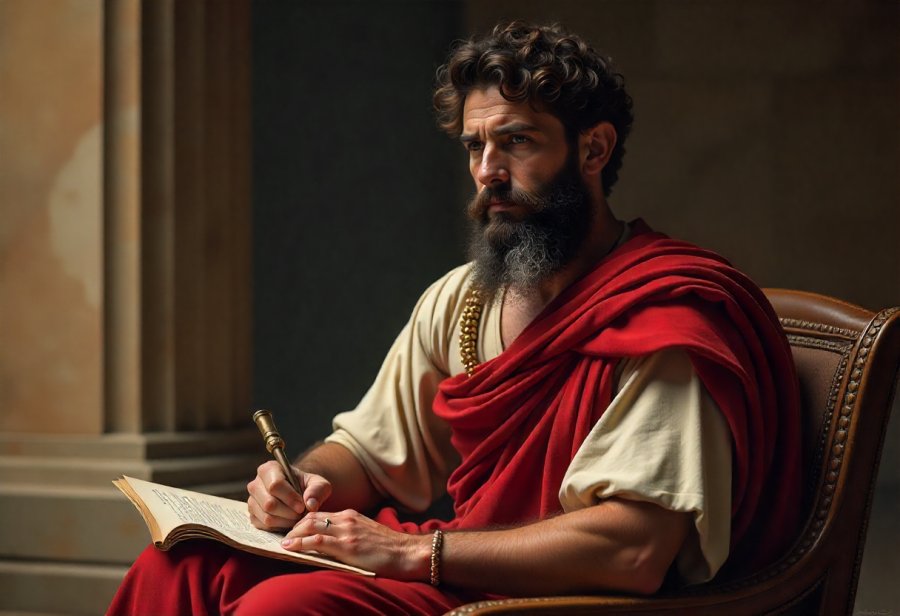
Take Marcus Aurelius, for example. As Roman emperor from 161 to 180 AD, he faced relentless challenges—wars, plagues, political intrigue—yet his true strength lay in his inner life. His writings in Meditations reveal a leader committed to mastering himself first, emphasizing virtues like self-control, wisdom, and moral integrity. Despite external chaos, he believed that the real source of strength was rooted within, in the discipline of his mind and character.
This perspective shifts the focus from external victories to internal mastery. Inner discipline involves more than just controlling impulses; it’s about developing a calm, focused mindset that remains steady regardless of circumstances. Leaders who nurture this inner resilience can face setbacks with grace, make thoughtful decisions under pressure, and inspire trust without needing external validation. Their power isn’t measured by medals or military might but by their ability to govern their own minds and emotions.
The question then becomes: can true leadership be rooted more in inner discipline than external conquest? Marcus Aurelius’s life suggests it can. His example shows that the most influential leaders are those who prioritize self-awareness, patience, and moral clarity over fleeting external achievements. Cultivating inner strength isn’t about perfection but about ongoing effort—building a resilient inner core that sustains influence and integrity over time.
As external achievements fade, inner discipline remains a lasting foundation. It’s the quiet force behind genuine leadership—one built through daily reflection, mindfulness, and continuous self-improvement. In a culture obsessed with external validation, this inner strength offers a different kind of power—one rooted in character and resilience. Marcus Aurelius reminds us that true strength begins within, shaping how we face the world and lead others.
Mastering the Mind: Principles of Inner Discipline in Leaders
Inner discipline in leadership goes beyond mere impulse control; it’s about cultivating a consistent mindset rooted in moral integrity, mental resilience, and unwavering focus. Leaders like Marcus Aurelius demonstrated this through daily routines—reflection, meditation, journaling—that weren’t just habits, but deliberate practices designed to reinforce their inner strength. By regularly examining their thoughts and actions, they aligned themselves more closely with virtues such as wisdom and self-control, which helped them maintain clarity and calmness even amidst chaos. This internal focus laid a foundation that enabled them to lead with steadiness, regardless of external circumstances.
Mastery over emotions is central to inner discipline. Leaders who develop this skill can remain composed during crises, making decisions from a place of calm rather than reacting impulsively. When they manage their feelings wisely, they foster trust and confidence among followers, demonstrating stability even in uncertain times. Resilience, too, plays a crucial role—it’s about more than bouncing back from setbacks; it’s about developing a toughness that keeps the mind steady through prolonged adversity. Marcus Aurelius faced military defeats, political betrayals, and personal grief, yet he stayed focused and purposeful, viewing hardships as opportunities for growth rather than insurmountable obstacles.
Focusing on core values and long-term goals helps leaders resist distractions and stay true to their purpose. Inner discipline involves consistent effort—daily routines like reflection or mindfulness—that anchor them amidst external noise. When leaders regularly check in with themselves, their actions become aligned with their moral compass, building credibility and earning respect. This internal consistency fosters trust and creates a purpose-driven environment where integrity is the standard, not the exception.
Authentic influence flows from this inner discipline. Acting with patience, humility, and moral clarity demonstrates integrity, inspiring others to follow suit. When leaders govern themselves well, they earn moral authority—not through dominance, but through example. Their inner strength becomes visible in their actions, cultivating an atmosphere of trust and respect that sustains leadership over time. Such leaders create a legacy rooted in character, not fleeting external achievements.
Developing inner discipline is an ongoing process, not a destination. Small, deliberate habits—like mindfulness, seeking honest feedback, and maintaining focus—gradually build character. Recognizing setbacks as opportunities for growth rather than failures fuels perseverance and deepens resilience. Over time, these routines become second nature, enabling leaders to stay morally grounded and emotionally steady under pressure. This continuous effort transforms inner discipline from a concept into an essential leadership skill.
The journey to inner discipline demands patience, humility, and consistent effort. It requires making conscious choices daily—opting for patience over haste, humility over ego, and integrity over shortcuts. Leaders who embed these principles into their routines lay a stable foundation that inspires trust and loyalty. Their inner strength becomes a guiding force, helping them navigate complexity and uncertainty with authenticity. By doing so, they set a standard for others, fostering a culture where resilience and moral clarity are valued above external validation.
In essence, inner discipline shapes the very core of true leadership. It’s the quiet force behind genuine influence—one rooted in character, resilience, and moral clarity. As this inner strength is cultivated and nurtured, it empowers leaders to face challenges with confidence and act with purpose. The most enduring leaders are those who have mastered themselves first, knowing that external victories are fleeting, but inner mastery endures and inspires lasting impact.

From Inner Resilience to Outer Impact: Applying Discipline in Leadership Practice
Inner discipline forms the foundation for effective leadership by enabling clear, deliberate decision-making, especially under pressure. Leaders who cultivate self-control and mental resilience can navigate complex situations with a calm, focused mind rather than reacting impulsively. Daily practices like reflection, journaling, or mindfulness help them stay aligned with their core values, maintaining internal steadiness even amidst chaos. This inner stability becomes their greatest asset, allowing them to approach problems thoughtfully and inspire confidence among followers.
Mastery over emotions is key to translating inner discipline into tangible leadership strength. When leaders remain composed during crises—whether political upheaval, setbacks, or societal unrest—they demonstrate stability that fosters trust. This calmness not only guides better decisions but also models resilience for their teams. By managing feelings wisely, they create an environment where others feel safe to express themselves and act with integrity, reinforcing a culture of authenticity and moral clarity.
Resilience extends beyond bouncing back from adversity; it involves developing a toughness that keeps the mind steady over time. Leaders like Marcus Aurelius endured military defeats and personal loss yet maintained their purpose and focus. Viewing hardships as opportunities for growth, they turned challenges into lessons, strengthening their resolve. This mental toughness is rooted in consistent effort—daily routines that reinforce patience, humility, and moral discipline—building a resilient core that sustains leadership through prolonged turbulence.
Aligning actions with long-term values sharpens decision-making and resists distractions. Inner discipline keeps leaders anchored to their principles, guiding choices in moments of external noise. Regular routines such as meditation or reflective journaling act as internal check-ins, ensuring actions remain true to their moral compass. This consistency fosters credibility and trust, making leadership more authentic and inspiring others to follow by example rather than authority alone.
Authentic influence flows naturally when leaders govern themselves well. Patience, humility, and integrity become visible virtues that inspire others to emulate. When leaders act with moral clarity and consistency, they cultivate trust and respect, establishing a legacy rooted in character rather than external achievements. Their inner strength becomes tangible in their actions, creating a ripple effect that elevates the entire organization or community.
Developing inner discipline is an ongoing process, not a one-time achievement. Small, deliberate habits—like seeking honest feedback, practicing mindfulness, and maintaining focused routines—gradually strengthen character. Recognizing setbacks as opportunities for growth fuels perseverance and deepens resilience. Over time, these routines become second nature, empowering leaders to remain morally grounded and emotionally steady. This continuous effort transforms inner discipline from an abstract concept into a practical, vital leadership skill that sustains influence and integrity.
Wisdom from Experts: Insights on Cultivating Inner Strength and Resilience
Experts in leadership and psychology consistently emphasize that inner discipline is fundamental to effective leadership. Self-control and emotional regulation aren’t just personal virtues; they are vital tools that shape decision-making, resilience, and influence. Leaders who manage their emotions well and maintain focus are more likely to respond thoughtfully rather than impulsively, especially in high-pressure moments. This calm, centered approach builds trust and credibility, qualities essential when navigating uncertainty.
Many leadership coaches highlight routines like mindfulness and self-reflection as powerful ways to strengthen mental toughness. These practices help leaders stay present, recognize emotional triggers, and choose deliberate responses instead of reacting impulsively. Developing this inner resilience creates a stable foundation that supports clearer judgment and steadiness amid chaos. It’s a quiet strength that echoes the leadership of figures like Marcus Aurelius, whose daily habits of reflection and journaling reinforced his inner discipline.
Historical and contemporary leaders alike demonstrate the power of inner strength. Winston Churchill’s resilience during World War II rallied a nation, while Mahatma Gandhi’s unwavering commitment to nonviolence showcased extraordinary moral discipline under external pressure. In the corporate world, leaders like Indra Nooyi speak openly about how self-control and clarity guided tough decisions and sustained focus during turbulent times. These examples prove that inner resilience isn’t just a personal virtue—it’s a leadership skill that fosters authentic influence and respect.
Various strategies support the development of inner discipline, and their effectiveness depends on individual preferences. Practices such as mindfulness meditation, journaling, and cognitive reframing have solid scientific backing for improving emotional regulation. Consistently integrating routines that promote self-awareness and patience helps build mental toughness over time. Balancing discipline with self-compassion prevents burnout and encourages sustainable growth, making inner strength a practical, accessible goal.
Building this resilience begins with small, deliberate steps. Establishing daily habits like reflection and mindfulness creates a reliable framework for growth. Seeking honest feedback from trusted mentors or peers adds perspective and accountability. Embracing setbacks as opportunities to learn rather than failures nurtures perseverance and deepens inner strength. Over time, these routines become second nature, shaping leaders who remain morally grounded and emotionally steady under pressure.
The process of cultivating inner discipline is ongoing. It requires humility, patience, and consistent effort—integrating practices like self-assessment, mindfulness, and honest feedback into daily routines. This persistent work fortifies character and prepares leaders to face uncertainty with clarity and moral integrity. In doing so, they not only strengthen themselves but also set a standard that inspires others to develop their own resilience.
Research and stories from across fields confirm that inner discipline is a skill that can be cultivated. Leaders who prioritize this inner work create a ripple effect, fostering cultures rooted in trust, integrity, and shared purpose. Their influence flows from character, not just external achievements, inspiring a new generation of leaders committed to leading with authenticity and moral strength.

Looking Ahead: The Path to Sustainable Leadership Through Inner Discipline
Inner discipline remains a vital foundation for authentic and effective leadership, especially as the world continues to evolve at a rapid pace. Leaders who prioritize virtues like self-control, moral clarity, and resilience are better equipped to navigate uncertainty with confidence and purpose. Marcus Aurelius’s life exemplifies this idea—showing that true strength isn’t measured by external achievements but by the steady inner state that sustains us through challenges. His example reminds us that cultivating inner discipline is an ongoing journey, not a one-time effort, and it shapes both character and influence over time.
Looking ahead, the ways we develop and strengthen this inner core are expanding. Practices such as mindfulness, emotional regulation techniques, and adaptive routines are becoming more accessible and applicable across different settings. These tools help leaders stay centered amid external chaos and make decisions rooted in wisdom rather than reaction. As new challenges arise, the ability to maintain inner resilience will grow more essential, shaping leaders who act with authenticity, humility, and moral integrity.
Despite our progress in understanding these qualities, much remains to be explored. How can we tailor resilience-building strategies to fit individual needs and contexts? What new frameworks or technologies can support sustained inner discipline in high-pressure environments? Combining ancient wisdom with modern science offers promising avenues for deeper insights. By continuously refining these approaches, we can foster a new standard of leadership—one rooted in character, capable of inspiring trust and fostering collective well-being.
Building inner strength isn’t just about personal growth; it creates ripples that elevate entire communities and organizations. Leaders embodying resilience and moral clarity set powerful examples, encouraging others to develop their own inner resilience. This cultural shift toward valuing character over external validation can lead to more authentic, enduring leadership—one that influences with integrity and leaves a lasting legacy. As awareness grows, we can expect a future where inner discipline is recognized as the true measure of leadership strength.
This ongoing journey demands patience, humility, and a commitment to continuous improvement. It involves making deliberate daily choices—practicing mindfulness, seeking honest feedback, and embracing setbacks as opportunities for growth. These small, consistent efforts accumulate into a resilient mindset capable of weathering any storm. Leaders who dedicate themselves to this inner work not only enhance their own influence but also inspire others to follow suit, fostering a culture rooted in trust, authenticity, and shared purpose.
In the end, the most enduring legacy of a leader is rooted in the strength of their inner character. Cultivating inner discipline offers a sustainable foundation for influence—one driven by wisdom, authenticity, and moral clarity. As the world faces increasing complexity and uncertainty, this inner resilience becomes even more vital. Leaders who embrace this path will find themselves better prepared to face the future with confidence, guiding others not just with authority but with moral strength that inspires lasting change.