


Imagine transforming your Toronto backyard into a stunning, eco-friendly retreat that harmoniously balances beauty, sustainability, and personal expression. How can homeowners craft outdoor spaces resilient enough to withstand Toronto’s seasonal extremes while reflecting their unique lifestyles? This guide reveals how thoughtful landscape design—featuring native plants, rain gardens, permeable paving, and reclaimed materials—creates vibrant, durable, and environmentally responsible gardens. By prioritizing client collaboration and eco-conscious principles, homeowners are empowered to develop personalized sanctuaries that serve as extensions of their homes, whether for relaxation, entertaining, or family life. As the future of outdoor design embraces innovative technologies and regenerative practices, the question remains: how will Toronto yards evolve to become not just beautiful, but vital ecosystems supporting local biodiversity and climate resilience? This evolving landscape promises a new era where aesthetics and ecological health are seamlessly intertwined, transforming ordinary yards into resilient, thriving outdoor retreats.
Transforming Toronto Backyards Into Personal Retreats That Boost Livability and Property Value
Transforming outdoor spaces in Toronto has become a key way for homeowners to enhance their living experience and boost property value. As the city evolves, so do the ideas of what makes a backyard both beautiful and functional. Today’s outdoor renovations go beyond simple landscaping; they create personal retreats that reflect individual styles while standing up to Toronto’s distinctive climate.
In a city where urban life intersects with pockets of natural beauty, a well-designed yard offers a peaceful escape from daily hustle. Whether it’s a cozy garden nook, a sleek modern patio, or an eco-friendly backyard, these spaces serve as extensions of the home—places to relax, entertain, or enjoy nature. The appeal lies in transforming a simple yard into a personal sanctuary that adds charm and comfort.
Toronto’s four-season climate plays a major role in shaping outdoor design choices. Cold winters, hot summers, and everything in between demand resilient materials and adaptable plantings. Native plants, which thrive naturally in the area, are increasingly popular. They require less water and maintenance, making them practical and eco-friendly choices that keep landscapes vibrant year-round.
Creating an outdoor space that balances beauty with sustainability is both an art and a science. Thoughtfully selecting weather-resistant materials, incorporating natural features, and designing with eco-conscious principles results in landscapes that are durable and environmentally responsible. These designs not only look stunning but also support the local ecosystem, promoting biodiversity and ecological health.
The best backyard transformations are those that reflect the homeowner’s personality and lifestyle. Collaborating closely with clients, designers incorporate personal touches—favorite colors, cherished objects, or specific themes—into the landscape. This partnership ensures the final result feels authentic and meaningful, turning a generic yard into a true extension of the homeowner’s identity.
Toronto’s outdoor spaces are also evolving to prioritize sustainability. Features like rain gardens, permeable paving, and native plantings help manage stormwater, reduce runoff, and conserve resources. These eco-friendly strategies enhance resilience against weather extremes while creating lush, captivating landscapes that stand the test of time.
Designing a backyard isn’t just about aesthetics; it’s about creating a space that is sustainable, functional, and inviting. When carefully planned and executed, these transformations turn ordinary yards into stunning retreats that align with the city’s environmental realities. They become personal havens—beautiful, practical, and built to withstand Toronto’s changing seasons.
Principles of Eco-Friendly Landscaping for Toronto’s Climate Challenges
Sustainable landscape design focuses on creating outdoor spaces that work harmoniously with the environment, making the most of natural resources while minimizing ecological impact. In Toronto, understanding the city’s climate and soil conditions is essential for selecting plants and materials that will thrive locally. Native plants are the cornerstone of eco-friendly landscapes—they’re well-adapted to the seasonal extremes, drought-tolerant, pest-resistant, and require less maintenance, helping homeowners reduce water use and chemical inputs.
Incorporating features like rain gardens and permeable paving further enhances resilience. Rain gardens capture stormwater runoff, filtering pollutants before they reach waterways, which helps protect Toronto’s lakes and rivers. Permeable surfaces allow rainwater to seep into the ground, reducing flooding and supporting groundwater recharge. These strategies create landscapes capable of handling Toronto’s unpredictable weather, from heavy rains to dry spells, ensuring your yard remains functional year-round.
Eco-friendly materials also play a vital role. Recycled stone, reclaimed wood, and biodegradable mulches cut down on resource depletion and add texture and character to the landscape. These durable options stand up well to Toronto’s harsh winters and hot summers, reducing the need for frequent replacements. Solar-powered lighting enhances outdoor ambiance while lowering energy consumption, supporting a greener footprint without sacrificing aesthetics.
Designing with sustainability in mind doesn’t mean sacrificing beauty. Thoughtfully placed native trees and shrubs provide natural shade, cooling the environment and supporting local wildlife. Incorporating natural features like rocks, water elements, and existing terrain helps the landscape blend seamlessly into its surroundings, creating an organic feel that feels both authentic and restrained. This approach fosters ecological harmony and adds visual appeal.
Resilience is key, especially given Toronto’s seasonal extremes. Selecting plants that can withstand cold winters and hot summers ensures your landscape remains vibrant with minimal intervention. High-quality, weather-resistant materials reduce ongoing maintenance, saving time and money over the years. By focusing on durability and ecological compatibility, sustainable landscape design offers outdoor spaces that are both beautiful and built to last, supporting the health of the environment and the enjoyment of those who use them.
Putting Clients First: Tailoring Toronto Outdoor Spaces to Personal Lifestyles
Creating a backyard that truly reflects its owner starts with listening closely to their vision. Understanding how they want to use the space—whether for tranquil retreats, lively gatherings, or family activities—guides every decision. Asking targeted questions about lifestyle, preferences, and priorities helps keep the design focused and relevant, ensuring the final outcome feels authentic to the homeowner. Using visual tools like mood boards, sketches, or 3D renderings makes it easier for clients to visualize potential layouts and provide feedback early in the process.
Clear communication is key throughout the project. Being upfront about timelines, budgets, and realistic possibilities prevents misunderstandings and builds trust. Regular updates and site visits during installation keep clients involved and reassured that their input shapes the final result. When homeowners see their ideas come to life step by step, it deepens their confidence and satisfaction, turning a designed space into a true reflection of their personality.
Flexibility in planning allows designs to evolve naturally. As new insights emerge or ideas shift, designers should adapt plans accordingly. Sometimes initial visions—like a sprawling lawn—may give way to more practical solutions such as native plant gardens that require less maintenance. Embracing these changes and guiding clients toward sustainable choices results in a landscape that balances their desires with ecological responsibility, creating a space that is both functional and meaningful.
Managing expectations from the start also plays a vital role. Providing detailed plans, visual samples, and realistic timelines helps clients understand how their preferences translate into actual features. If certain ideas aren’t feasible—perhaps a large water feature in a small yard—offering alternative options that still deliver impact keeps the project on track. This honest approach ensures satisfaction and avoids disappointment, fostering a positive collaboration.
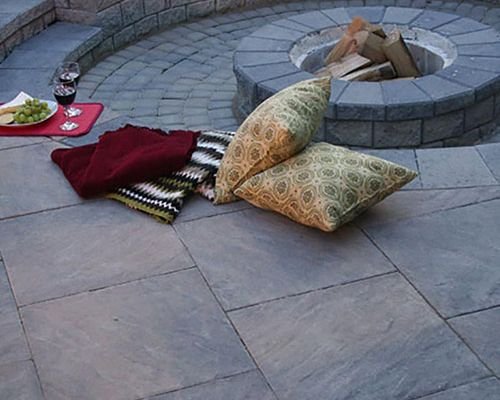
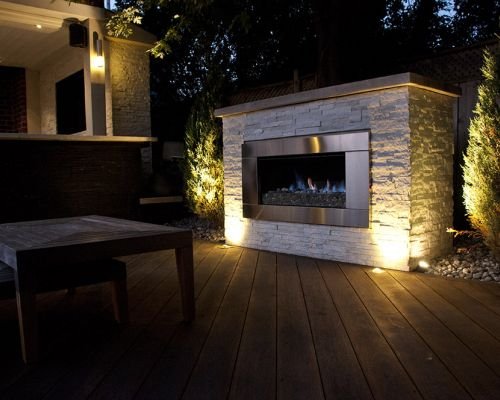
Personal touches turn a generic landscape into a meaningful extension of the homeowner’s identity. Whether it’s incorporating favorite colors, cherished objects, or meaningful themes, these details make the space uniquely theirs. Fire pits, vegetable gardens, or treasured sculptures become focal points that deepen the connection between homeowner and environment. Listening carefully to what matters most helps weave these elements seamlessly into the overall design.
A collaborative process strengthens relationships and results in a backyard that genuinely captures the owner’s lifestyle. When clients feel heard and involved from the initial concept through to final installation, they’re more likely to be delighted with the finished space. This partnership not only creates a beautiful, personalized retreat but also makes the journey rewarding for everyone involved.
In the end, integrating client preferences isn’t just about aesthetics—it’s about creating a space that feels personal, sustainable, and functional. By fostering open dialogue, embracing flexibility, and paying attention to meaningful details, designers craft outdoor environments that truly resonate. The result is a backyard that’s not only visually stunning but also deeply aligned with the homeowner’s life and values.
Harmonizing Beauty and Sustainability in Toronto’s Landscape Designs
Creating outdoor spaces that captivate the eye while supporting the environment requires intentional choices and thoughtful planning. The foundation of an aesthetically pleasing and eco-friendly landscape begins with native plants, which are naturally adapted to Toronto’s seasonal climate. These plants thrive with less water, fewer chemicals, and minimal maintenance, making them both beautiful and sustainable. Their resilience ensures your yard remains vibrant year-round, reducing the need for frequent interventions.
Incorporating features like rain gardens and permeable paving enhances both visual appeal and ecological function. Rain gardens capture stormwater, filtering pollutants before they reach waterways, which helps safeguard Toronto’s lakes and rivers. Permeable surfaces allow rain to seep into the ground, reducing runoff and preventing flooding. These elements integrate seamlessly into the landscape, creating a natural harmony that feels organic and intentional.
Using eco-friendly materials such as recycled stone, reclaimed wood, and biodegradable mulches not only reduces resource depletion but also adds texture and character. These durable options withstand Toronto’s harsh winters and hot summers, minimizing the need for replacements over time. Solar-powered lighting further elevates the ambiance, offering safe, inviting illumination without increasing energy consumption.
Designing with beauty and sustainability in mind encourages natural shading through thoughtfully placed native trees and shrubs. These provide cooling benefits, support local wildlife, and contribute to a balanced ecosystem. Incorporating natural elements like rocks, water features, and existing terrain fosters a sense of authenticity, blending the landscape into its surroundings rather than disrupting it.
Durability is essential, especially given Toronto’s seasonal extremes. Selecting plants that can handle cold winters and hot summers ensures the landscape remains lush and functional with minimal upkeep. High-quality, weather-resistant materials reduce ongoing maintenance costs and effort, making the outdoor space more manageable and long-lasting.
Every design choice should contribute to ecological health, supporting pollinators, birds, and beneficial insects. Strategic layout and plant selection promote biodiversity, transforming your yard into a thriving habitat. This approach not only enhances visual appeal but also reinforces the landscape’s resilience and vitality.
By balancing visual appeal with environmental responsibility, you create outdoor spaces that are both stunning and sustainable. These landscapes stand the test of time, offering beauty and ecological support in harmony. Investing in such thoughtful design ensures your backyard remains a cherished retreat—vibrant, resilient, and environmentally sound for years to come.
Embracing Innovation: The Future of Sustainable, Resilient Outdoor Spaces in Toronto
As Toronto’s outdoor spaces continue to evolve, the emphasis on sustainable landscape design is set to grow even stronger. Future projects will likely incorporate more smart technology and eco-friendly materials, making outdoor retreats not just beautiful but highly efficient and adaptable. Features like modular planting systems, solar-powered elements, and advanced stormwater management solutions will become more accessible, allowing homeowners to craft landscapes that withstand seasonal extremes while supporting local ecosystems.
Designers and homeowners are leaning into resilience and ecological harmony. Native, drought-tolerant plants, green roofs, and permeable pavements are poised to become standard features, helping yards cope with Toronto’s climate shifts and reducing water use and runoff. As awareness of climate change deepens, landscapes will be designed to actively enhance biodiversity, providing habitats for pollinators, birds, and beneficial insects, transforming yards into thriving ecosystems rather than mere decorative spaces.
Smart technology will play a pivotal role, automating irrigation, lighting, and climate control to reduce resource consumption and simplify maintenance. This integration will make outdoor environments more intuitive and energy-efficient, lowering utility bills without sacrificing comfort or style. As these innovations become mainstream, outdoor spaces will increasingly blend convenience with sustainability, creating environments that evolve with residents’ needs.
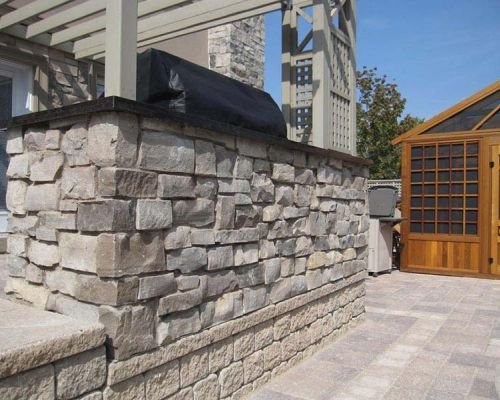
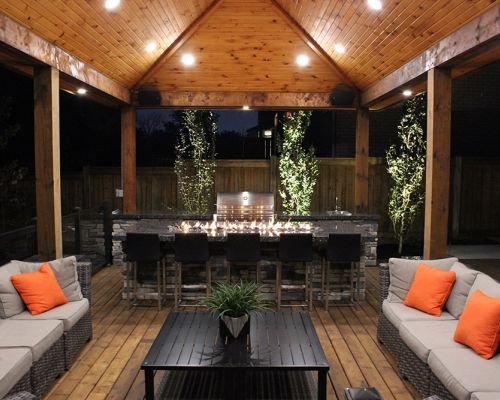
Customization will also take center stage, with outdoor kitchens, fire pits, and multifunctional patios designed to maximize usability while remaining environmentally responsible. Modular and upgradable layouts will allow homeowners to adapt their yards over time, ensuring their outdoor retreat remains relevant and sustainable amidst changing lifestyles and environmental priorities.
Resilience remains a core focus, with plant choices shifting toward native and climate-adapted species that require less water, fertilizers, and pesticides. This approach not only conserves resources but also fosters healthier ecosystems, making landscapes more resistant to pests and diseases. Durable, weather-resistant materials will further reduce ongoing upkeep, ensuring beauty and functionality endure despite Toronto’s seasonal volatility.
Materials made from recycled, reclaimed, or biodegradable sources will set new standards, promoting a circular economy in landscape design. From permeable pavers to natural stone and reclaimed wood, these choices will contribute to environmentally sound outdoor environments that are both visually appealing and durable.
As the city’s environmental challenges grow, so will the need for regenerative landscape practices that go beyond preservation to actively improve ecosystems. The future landscape of Toronto will be a testament to innovation—integrating technology, sustainability, and beauty to create outdoor spaces that are resilient, vibrant, and truly aligned with the city’s evolving climate and ecological needs.