



Deciding whether to tackle car repairs yourself, call a mobile mechanic, or visit a traditional garage can significantly impact safety, cost, and convenience. Are simple maintenance tasks like oil changes suitable for DIY, or do modern vehicle complexities demand professional expertise? Mobile mechanics offer a flexible middle ground, handling routine fixes at your location, but lack the equipment for more complex repairs—making garages the best choice for engine or transmission work. Yet, how often do shortcuts and improper repairs compromise safety and warranty coverage? This guide emphasizes understanding each option’s strengths and limitations, urging car owners to match the repair’s complexity with their skills and needs. The goal is to avoid costly mistakes and safety hazards by making informed decisions—knowing when to DIY, when a mobile service suffices, and when a professional garage is essential. Balancing affordability, safety, and reliability is crucial for keeping your vehicle safe and performing at its best.
Choosing the Best Car Repair Method: DIY, Mobile, or Garage
When your car starts acting up, figuring out how to get it fixed can feel overwhelming. Should you roll up your sleeves and do it yourself, call a mobile mechanic to come to you, or take it straight to a traditional repair shop? Each option has its place, and choosing the right one depends on the repair’s complexity, your skill level, and what you value most—cost, convenience, or safety.
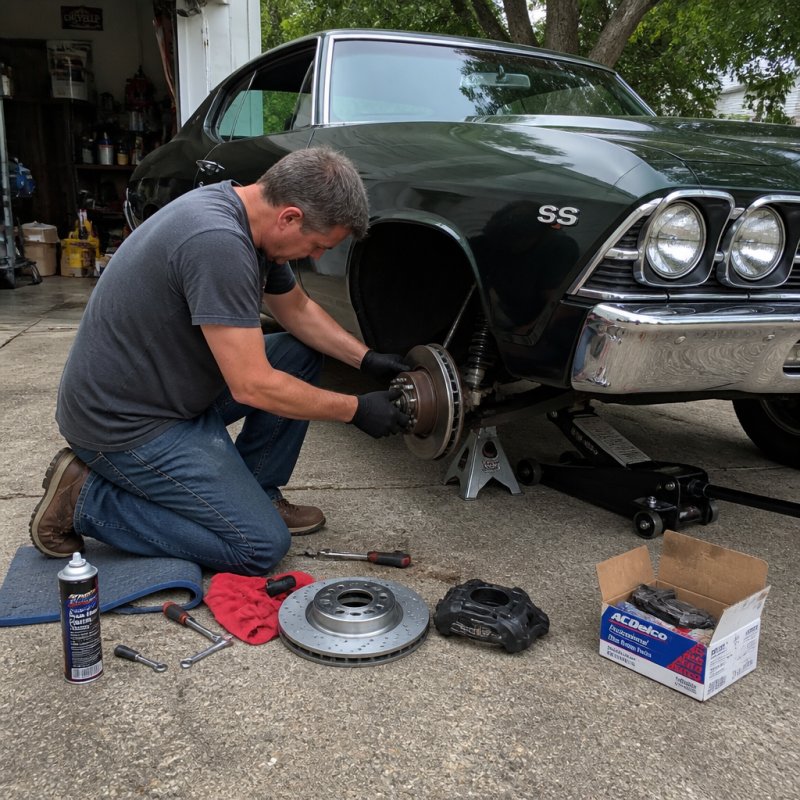
DIY repairs can be a great way to save money and learn more about your vehicle. Simple tasks like changing the oil, swapping filters, or installing a new battery are manageable for many car owners with basic tools and some patience. These repairs are quick, affordable, and give you a sense of accomplishment. Plus, doing your own maintenance helps you better understand your car’s needs, which can pay off in the long run.
But not every repair is suitable for DIY. Modern vehicles are more complex than ever, packed with electronics and sensitive components. Attempting advanced repairs—like working on the engine, transmission, or electrical system—without proper training can lead to costly mistakes or safety hazards. Recognizing your limits is key; pushing beyond them risks turning a simple fix into a major repair or a safety issue.
That’s where mobile mechanics come into play. They bring their expertise and tools directly to your driveway or parking lot, handling many common repairs on-site. This service is perfect for routine fixes like replacing a dead battery or fixing brakes. It saves you time and the hassle of arranging transportation or waiting in a shop, making car maintenance more accessible and less disruptive.
However, mobile mechanics have their limits. They typically lack the heavy equipment—lifts, advanced diagnostic tools, and calibration systems—needed for complex repairs like engine overhauls or transmission work. For these jobs, a full-service garage equipped with specialized tools and trained technicians is the safer, more reliable option. They can handle intricate repairs with precision, ensuring safety and long-term durability.
Choosing between these options isn’t just about cost. It’s about matching the repair’s complexity and safety requirements with your skills and resources. Simple, low-risk maintenance is usually best for DIY; moderate repairs where you’re comfortable with some guidance can be suited for mobile mechanics. For anything demanding detailed diagnostics or heavy equipment, trusting a professional garage ensures your safety and peace of mind.
Understanding these differences helps you make smarter choices, keeping your vehicle safe, reliable, and in good shape without wasting time or money. Knowing when to do it yourself, when to call a mobile mechanic, and when to visit a garage is the key to effective and safe car repairs.
DIY Car Repairs: Save Money and Learn Skills Safely
Doing your own car repairs can be a great way to save money and gain useful skills. Tasks like changing the oil, swapping out filters, or replacing a dead battery are straightforward enough for most owners with basic tools and a little patience. These jobs are quick, often taking less than an hour, and only require parts—cutting down your repair costs significantly. Plus, there’s a satisfying sense of accomplishment in fixing things yourself and understanding your vehicle better.
That said, not every repair is suitable for a DIY approach. Modern cars are more complex than ever, packed with electronics and sensitive components. Attempting advanced repairs—like working on the engine, transmission, or electrical systems—without proper training or equipment can lead to costly mistakes or safety hazards. Recognizing your limits is key; pushing beyond them risks turning a minor fix into a major repair or safety issue.
Safety must always come first. Tasks involving vehicle lifts, high voltages, or handling heavy parts carry inherent risks. Improperly lifting a car or working underneath it without proper support can cause serious injuries. Electrical repairs, if not handled correctly, might lead to shocks or fires. Before diving in, do thorough research, watch tutorials, and consult manuals to understand the correct procedures and safety precautions. When in doubt, it’s better to call in a professional.
Tools also play a crucial role. Basic hand tools like wrenches, screwdrivers, and pliers are often enough for simple repairs, and many car owners already have these in their toolkit. More involved jobs may require specialized equipment such as torque wrenches, diagnostic scanners, or even a hydraulic lift. If you only need these tools once, it might be more cost-effective to pay a mechanic rather than buy expensive gear you won’t use again.
Cost savings are a common motivation for DIY repairs. Labor costs at shops can be steep, but parts are usually affordable. However, mistakes can be costly—an incorrectly installed brake or an electrical wiring error can compromise safety or cause further damage. Small errors might not only be expensive to fix but could also void your vehicle’s warranty, especially if they involve critical systems.
Further context can be found on The North Shore in Malcolm Jones‘s article Smart Car Repair Choices to Save Money and Stay Safe.
Mistakes in DIY repairs aren’t just expensive—they can be dangerous. An improperly installed brake component or a wiring mistake could lead to accidents or vehicle failure. Even seemingly minor errors, like improper torque, can cause issues down the line. Taking your time, doing thorough research, and honestly assessing your skill level can help prevent costly errors and safety risks.
While DIY repairs can be rewarding and budget-friendly when done right, they’re not a one-size-fits-all solution. Complex or safety-related issues are best handled by professionals who have the training, experience, and equipment to do the job safely and correctly. Knowing when to stop and seek expert help is essential to ensuring your vehicle remains safe and reliable. With good judgment and respect for your limits, DIY car repairs can be a valuable part of maintaining your vehicle—and a rewarding way to learn more about how your car works.
Mobile Mechanics: Convenience and Cost-Effective On-Site Fixes
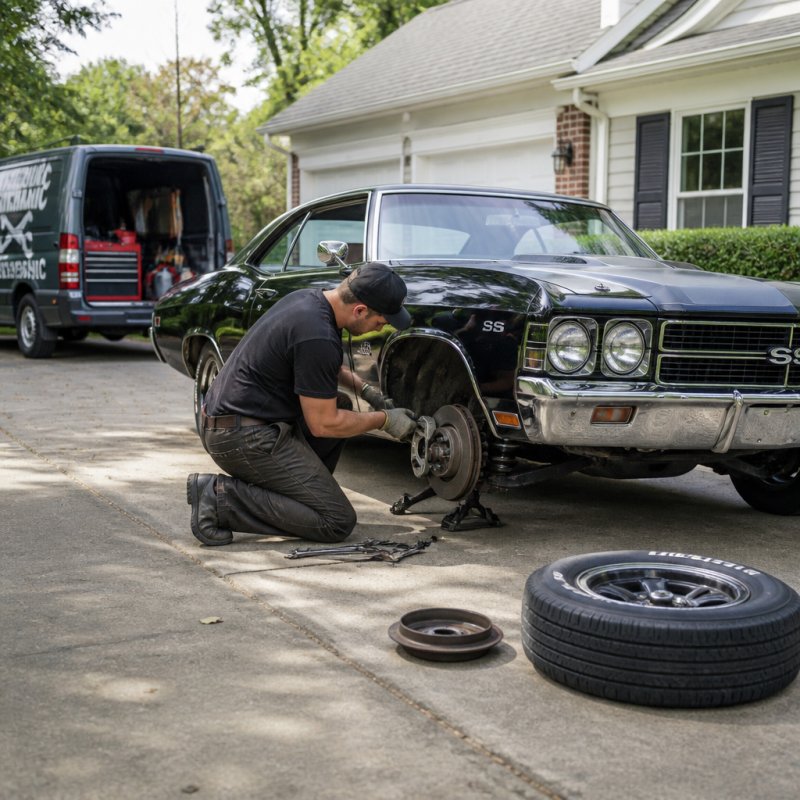
Mobile mechanics provide a practical and convenient alternative to traditional repair shops, bringing their expertise directly to your location. Whether you’re at home, at work, or parked somewhere in between, they handle many common repairs without the hassle of towing or waiting in a busy garage. This flexibility makes them especially appealing for routine fixes like replacing a dead battery, fixing brakes, or addressing minor electrical issues, saving you both time and effort.
One of the biggest advantages of mobile mechanics is cost. They often charge less than traditional shops because of their lower overhead, and their ability to work on-site means fewer expenses for scheduling and logistics. Plus, their convenience means you can have repairs completed during a lunch break or while running errands, making car maintenance less disruptive to your day. Watching a mobile mechanic work can also be educational, giving you the chance to ask questions and learn more about your vehicle’s needs.
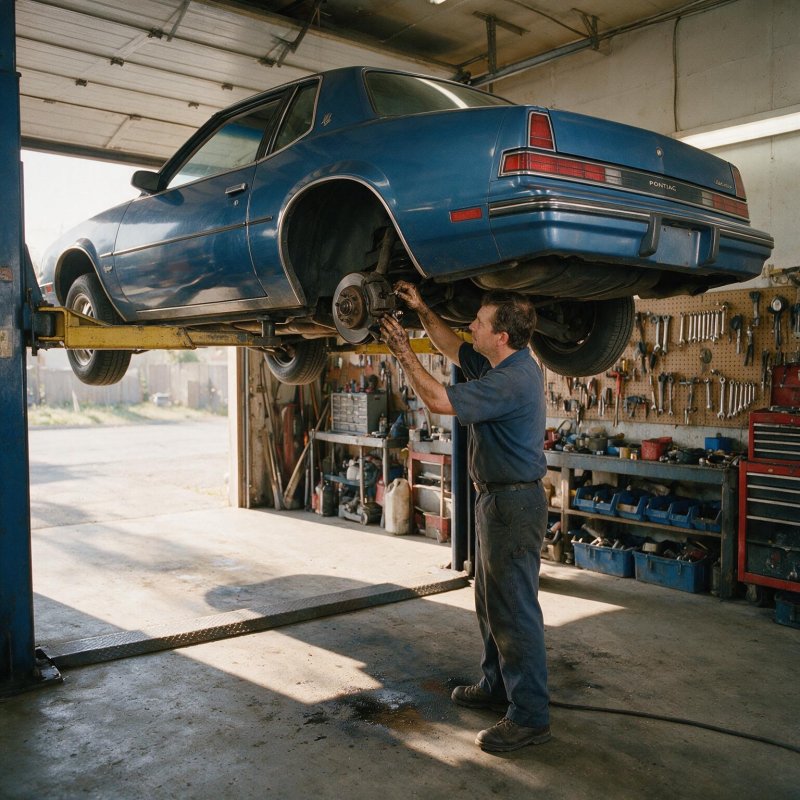
However, mobile mechanics do have their limitations. They generally lack access to the heavy equipment—like lifts, alignment racks, or advanced diagnostic tools—needed for more complex repairs. Jobs involving engine disassembly, transmission work, or system calibrations are best left to a full-service garage. Trying to perform these repairs on the roadside or driveway could lead to incomplete work or safety risks, making professional facilities a smarter choice for such tasks.
Quality can vary among mobile mechanics, so it’s wise to do some research before hiring. Checking reviews, certifications, and warranties helps ensure you’re working with someone reputable and skilled. A qualified mobile mechanic with good credentials is more likely to deliver reliable work, offering peace of mind that your car is in capable hands. This is especially important for safety-critical repairs where precision and expertise are essential.
This perspective is expanded in Kie Russell‘s article Innovative Car Repair Trends Shaping the Future of Automotive Care on Blog Story Lines.
Mobile mechanics excel for routine maintenance and minor repairs, where their flexibility and affordability shine. They bring the service to you, making routine checks and small fixes simple and less time-consuming. For more involved repairs, however, the scope of their equipment and expertise can fall short. In those cases, a full-service garage with specialized tools and trained technicians remains the safer, more reliable option.
Choosing a mobile mechanic is about balancing convenience with the complexity of the repair. For straightforward jobs, their on-site service can be a game-changer, saving you trips and long waits. But for anything demanding heavy equipment or detailed diagnostics, trusting a traditional garage ensures your vehicle’s safety, performance, and longevity. Matching the repair’s needs with the right service keeps your car running smoothly and safely.
The Auto Repair Garage: Expertise for Complex and Safety-Critical Repairs
Traditional garages remain the cornerstone for handling the most complex and safety-critical repairs your vehicle might need. Equipped with heavy-duty lifts, advanced diagnostic scanners, and specialized tools, they’re designed to tackle tasks that go beyond routine maintenance. Whether it’s an engine rebuild, transmission overhaul, or suspension work, these facilities provide the precision and expertise required to get the job done right the first time.
Beyond their impressive equipment, garages employ technicians who have undergone extensive training and certification. Their knowledge of modern vehicle systems ensures that even the most intricate repairs meet manufacturer standards. This level of expertise is vital when working on safety-related components like brakes, steering, or airbags—where errors can have serious consequences. Trusting a professional garage in these cases isn’t just about convenience; it’s about safeguarding your safety and that of your passengers.
Diagnostic capabilities in a garage are far superior to what’s possible elsewhere. They use sophisticated scanners and software that connect directly to your vehicle’s onboard computer, instantly identifying error codes and pinpointing issues. This targeted approach saves time and minimizes guesswork, reducing the risk of misdiagnosis or incomplete repairs. Heavy lifts and specialized equipment also allow mechanics to access hard-to-reach areas safely, ensuring repairs are thorough and reliable.
Warranties are another key advantage of choosing a reputable garage. Parts and labor are typically covered for a specified period, providing peace of mind if problems recur after a repair. This coverage is especially important for safety-critical repairs, where even minor mistakes can lead to significant safety concerns or additional costs. Knowing that your work is backed by a warranty encourages confidence in the quality of the repair and the integrity of the shop.
While garages tend to be more costly than other options, their comprehensive capabilities justify the investment, especially for complex or safety-critical issues. The upfront expense includes parts, labor, diagnostics, and sometimes additional fees, but the long-term benefits—reliability, safety, and peace of mind—often outweigh the initial cost. Skilled technicians and state-of-the-art equipment help ensure your vehicle remains safe, efficient, and valuable.
Scheduling and logistics can be less flexible compared to more mobile options. You’ll need to plan ahead to drop off and pick up your vehicle, which might mean waiting days for certain repairs. However, this process ensures your car is thoroughly examined and fixed in a controlled environment, reducing the likelihood of mistakes or incomplete work. For anything beyond routine maintenance, patience with the process pays off in safety and durability.
For additional context, read Quin Wade‘s article Mastering Car Repairs: When to DIY and When to Call a Pro on Sit Tight Now.
Ultimately, trusting a traditional garage is the best choice when your vehicle needs serious attention. Their combination of advanced tools, specialized expertise, and warranty coverage provides a safety net that DIY or mobile services cannot match. Investing in professional repairs not only preserves your vehicle’s performance but also safeguards your safety on the road—making it a smart, reliable choice for complex repairs.
Making the Right Repair Choice: Balancing Safety, Cost, and Convenience
Choosing the right method for car repairs depends on matching the job’s complexity and safety needs with your skills, resources, and priorities. Simple tasks like topping off fluids, replacing filters, or swapping a battery are often best handled yourself. They’re quick, straightforward, and cost-effective—especially if you’re comfortable with basic tools. But for anything more involved, such as working on the engine or electrical systems, professional help becomes essential.
Safety is the top consideration when deciding how to proceed. Attempting complex repairs beyond your skill level can lead to mistakes that compromise your safety or cause further damage. For example, working on brake systems or suspension components demands precision and specialized tools. If you’re unsure about your ability or lack the proper equipment, trusting a professional ensures the repair is done correctly and safely.
Cost also plays a crucial role. DIY repairs often save money upfront since you only pay for parts, but errors can be costly if they lead to further issues. Conversely, professional services cost more initially but come with warranties and guarantees that protect your investment. For safety-critical or complex repairs, these protections are well worth the extra expense, providing peace of mind and long-term reliability.
Time and convenience are practical factors. If your schedule is tight or you lack the necessary tools, hiring a mobile mechanic or visiting a garage can save you hours of hassle. Mobile mechanics bring services directly to you, handling routine repairs on-site and reducing downtime. For more involved repairs, a garage with heavy equipment and specialized expertise ensures the work is thorough, safe, and durable.
Prioritizing safety and reliability over short-term savings is key. Quick fixes or shortcuts might seem tempting but can jeopardize your vehicle’s performance and your safety down the line. Knowing when to stop and seek professional assistance is a mark of smart car ownership. It’s better to invest in a proper repair now than to pay for repeated fixes or, worse, face safety risks later.
Matching the repair to your vehicle’s needs involves assessing the complexity, safety risks, and your own capabilities. Small, routine maintenance is often suitable for DIY, while moderate repairs where you’re comfortable with some guidance can be handled by mobile mechanics. For anything demanding heavy equipment, detailed diagnostics, or safety-critical work, a reputable garage is the safest choice.
In the end, the best approach balances cost, safety, and convenience. Understanding the scope of each repair and your own limits helps you make informed decisions. This way, you keep your vehicle running smoothly and safely, avoiding unnecessary risks and expenses. Smart choices today ensure your car remains reliable and safe on the road tomorrow.