



What if the greatest obstacle to learning to swim at any age is simply summoning the courage to take that first plunge? This inspiring exploration reveals how water confidence can transform fear into freedom, safety, and joy, whether you’re a cautious child or an hesitant adult. The journey begins with small, manageable steps—building trust in the water through patience and gentle encouragement—and evolves into a lifelong relationship with aquatic environments. Modern swimming education emphasizes safety, personalized instruction, and innovative technology, making learning more accessible and less intimidating. Beyond skill acquisition, mastering water confidence unlocks practical benefits: enhanced safety, increased independence, and a healthier, more active lifestyle. As you navigate this personal voyage, obstacles like past fears and anxiety give way to empowerment, opening a world of recreation, adventure, and peace of mind. Are you ready to turn water from a source of fear into a space of trust and exhilaration?
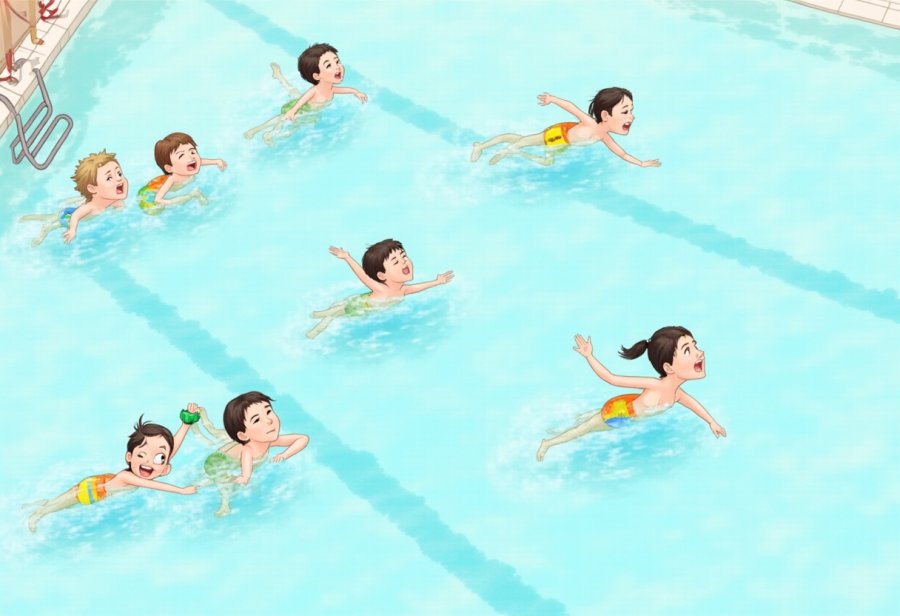
Transform Water Fears into Confidence at Any Age
Learning to swim is about more than just mastering strokes or floating; it’s a vital step toward turning water-related fears into confidence. For many people, the idea of stepping into a pool or wading into open water stirs up anxiety rooted in past experiences or a basic survival instinct to avoid sinking. But regardless of age, taking that first courageous step into the water can unlock a sense of safety and freedom that many never thought possible.
Water fears are incredibly common and often stem from our natural instinct to protect ourselves from potential danger. These anxieties aren’t exclusive to children; adults carry them too, sometimes even more so because of negative past encounters or limited exposure. Recognizing that these fears are shared by others can help you see you’re not alone in this journey and that overcoming them is achievable with patience and support.
Building water confidence isn’t just about learning to swim—it’s about trusting your body and gradually overcoming those fears. Starting small, like splashing water on your hands or walking along the shallow edge, helps your brain associate water with safety and calm. Each small victory reinforces your sense of control and encourages you to push a little further at your own pace.
The process is deeply personal and varies from person to person. Some may need more time to feel comfortable floating or putting their face in the water, while others might be ready to try short swims sooner. What matters most is patience, gentle encouragement, and celebrating every step forward—no matter how small. These moments of bravery lay the foundation for lasting water confidence, transforming apprehension into enjoyment.
Embarking on this journey might seem daunting, but the rewards are worth it. Water becomes a space of relaxation and fun, not fear. As your comfort grows, so does your ability to handle unexpected situations calmly, turning water from a potential hazard into a safe environment. Learning to swim at any age opens a world of possibilities—recreation, safety, and independence—all rooted in the simple act of taking that first brave step.
Building Blocks of Effective Swimming Instruction
Swimming instruction has come a long way from its early days rooted in informal community lessons and family traditions. In the past, learning mostly meant mimicking others or repeating basic movements without much focus on safety or emotional comfort. These methods, while sometimes effective, often lacked structure and consistency, which could lead to frustration or even unsafe situations. As awareness of water safety grew, formalized teaching methods started to develop, emphasizing gradual skill-building within a safe, supportive environment.
Today’s successful swimming education centers on core principles like safety, confidence, and effective skill development. Modern instructors prioritize creating a relaxed atmosphere where learners feel encouraged rather than pressured. They begin with simple exercises—such as breathing control, floating, or gentle water acclimation—to help beginners feel at ease. Building trust in the water is essential, and instructors carefully pace the progression from comfort to movement, ensuring students don’t feel overwhelmed.
This shift toward structured programs also reflects advances in water safety standards and pedagogy. Early methods relied heavily on trial and error, often ignoring individual emotional and physical readiness. Modern approaches recognize that each learner is unique, requiring tailored instruction that adapts to their pace and comfort level. Clear communication, positive reinforcement, and gradual exposure foster a sense of control and trust, which are vital for lasting progress. These elements help learners develop skills confidently and with less anxiety.
Safety protocols and certification standards have become fundamental to effective instruction. Instructors are trained to not only teach techniques but also to recognize signs of distress and respond appropriately. Using drills, rescue procedures, and safety checks, they help students understand water hazards and how to navigate them safely. This comprehensive approach reduces risks, making swimming accessible and safe for a broader range of people, regardless of age or background.
Technological innovations now enhance traditional methods, making learning more engaging and personalized. Video tutorials, virtual coaching, and real-time feedback tools allow learners to visualize techniques and practice at their own pace. These tools are especially helpful for those who may feel self-conscious or anxious in a group setting. By combining science, technology, and empathy, modern instruction makes water confidence more achievable than ever before.
The foundation of successful swimming education lies in blending proven principles with modern practices. From humble beginnings, today’s methods aim to make water a safe, enjoyable space where confidence can flourish. Prioritizing safety, tailoring instruction, and embracing new tools help more people develop lifelong water skills. This approach ensures that learning to swim isn’t just about strokes—it’s about building trust, safety, and a positive relationship with water for years to come.
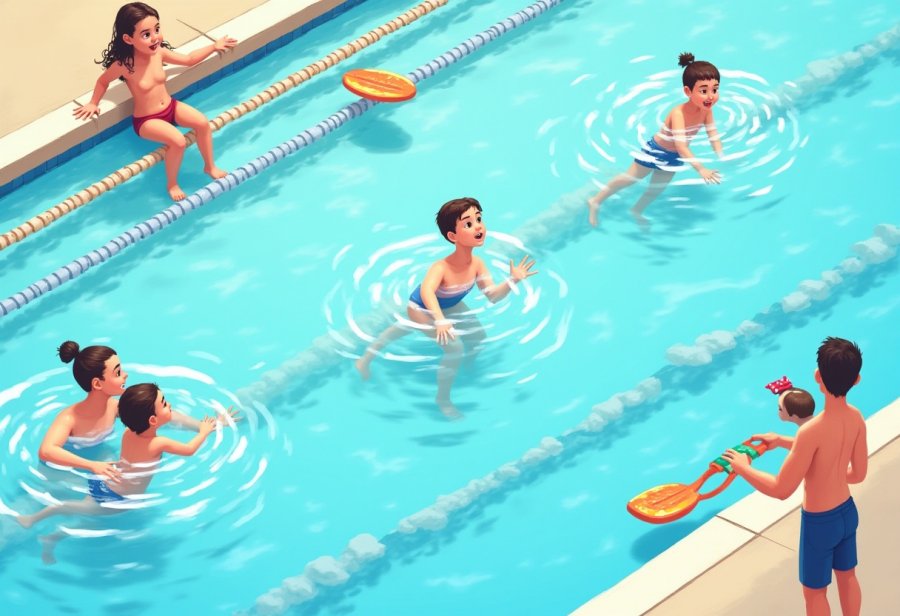
Innovations and Cultural Diversity in Modern Swim Learning
Today’s approach to learning to swim combines time-tested techniques with the latest innovations, making instruction more engaging and effective than ever before. Modern programs frequently incorporate multimedia tools like video tutorials, virtual reality, and coaching apps that cater to different learning styles. These resources help learners visualize proper techniques, practice at their own pace, and receive instant feedback, which can significantly boost confidence and reduce anxiety. For individuals feeling self-conscious in traditional settings, these digital tools create a more accessible, less intimidating entry point into water education.
Safety remains at the heart of current swimming lessons. Today’s programs emphasize essential water safety skills, such as self-rescue techniques and emergency response, alongside mastering strokes. Beginners typically start with simple exercises like breathing control and floating, progressing gradually to movement and swimming. Floatation devices and safety gear are standard, while instructors are trained to identify signs of distress early. This focus on safety fosters a secure environment where learners can develop trust in the water without fear.
Cultural attitudes toward swimming vary widely across the globe, shaping how water confidence is approached. In many coastal communities, swimming is ingrained early, seen as vital for safety and recreation. In contrast, regions with limited water access or different cultural priorities may offer fewer formal programs. Some cultures incorporate water rituals or traditions into their teaching, blending cultural identity with practical skills. Recognizing these differences helps create inclusive programs that respect local values while promoting water safety for all.
Industry trends now lean toward greater inclusivity and accessibility. Efforts aim to extend lessons to underserved communities through public and private partnerships. Adaptive swimming programs for individuals with physical or emotional challenges continue to grow, utilizing specialized equipment and tailored instruction. Technology also plays a role here, with online resources and virtual coaching breaking down barriers. These initiatives work toward making water confidence achievable for everyone, regardless of background or ability.
The evolution of swimming education reflects a commitment to making learning more effective, welcoming, and diverse. Combining traditional values with modern practices creates environments where beginners feel supported and motivated. Safety protocols, cultural sensitivity, and technological advances all contribute to helping more people overcome fears and develop lifelong water skills. This dynamic landscape ensures that water becomes a space of trust, safety, and enjoyment for a broad range of learners.
As innovations continue, the focus remains on helping individuals conquer their fears and find joy in the water. Digital tools, community programs, and personalized coaching make water confidence more accessible and engaging. The emphasis on inclusivity and technology-driven learning will further open doors for those who once saw water as a threat. This modern approach not only teaches a skill but fosters a lifelong relationship with water rooted in safety, pleasure, and independence.
Lifelong Benefits of Developing Water Skills
Learning to swim offers more than just a new skill—it creates a vital safety net for real-world situations. Knowing how to float, tread water, or perform simple self-rescue techniques can be lifesaving in emergencies. Whether you’re caught in a rip current at the beach, accidentally fall into a pool, or need to help someone in distress, these skills provide confidence and calmness when it matters most.
Beyond safety, water confidence opens the door to a variety of outdoor and recreational activities. Feeling comfortable in the water encourages adventures like kayaking, paddleboarding, or swimming at lakes and beaches. These experiences not only boost physical health but also foster social connections and a sense of freedom that might have seemed out of reach before learning to swim.
For families and caregivers, swimming skills are essential for creating safer environments around water. Adults who are confident can teach children safety rules, supervise more effectively, and respond quickly in case of an emergency. Simple actions like helping a child float or guiding them through a safe swim can prevent accidents and promote a lifelong respect for water safety.
Swimming also contributes significantly to overall health. It’s a low-impact exercise that works the entire body, improving strength, cardiovascular health, and flexibility. Regular swimming can reduce stress, enhance mood, and support mental well-being. Building water confidence isn’t just about safety—it’s a foundation for a healthier, more active lifestyle that can last a lifetime.
Developing water skills fosters independence too. Whether crossing a shallow stream, wading into a pool, or joining friends for water activities, confidence in the water encourages exploration and social engagement. It transforms water from a potential threat into an environment of fun and connection, empowering you to participate fully in outdoor adventures.
The ability to handle unexpected water encounters also boosts peace of mind. Knowing how to float or perform a basic rescue can buy crucial seconds if you fall unexpectedly or see someone in trouble. These skills turn water from a place of danger into a space where you maintain control and safety, reducing anxiety in situations that might otherwise feel overwhelming.
In essence, learning to swim bridges safety and lifestyle, enriching your life through practical skills that promote well-being, independence, and enjoyment. It’s about transforming water from a source of fear into an environment of confidence and fun, making every water-related experience safer and more rewarding.
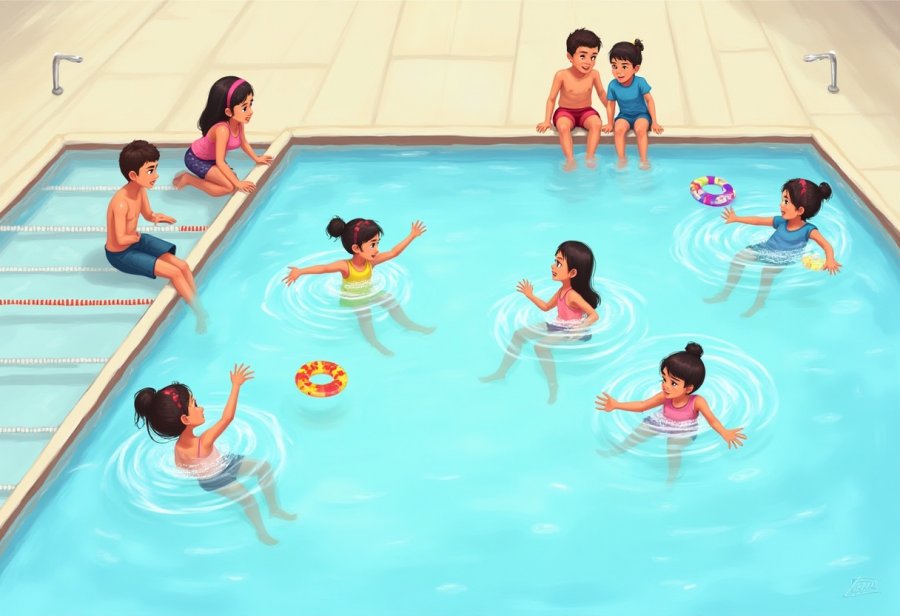
Taking the First Step Toward Water Confidence
Learning to swim is more than just acquiring a new skill; it’s a journey that can transform fears into a sense of freedom and confidence. Taking that first step into the water might feel intimidating, especially if past experiences or anxieties hold you back. But every small effort—whether it’s dipping your toes in or floating for a moment—builds a foundation of trust and comfort that opens up a world of possibilities.
Patience is key. Progress can be slow at first, but each small victory—like overcoming hesitation or mastering a simple float—strengthens your belief that water is safe and enjoyable. Support from instructors, friends, or family makes the process easier, providing encouragement when doubts creep in. Remember, the goal isn’t perfection; it’s building confidence, step by step.
Many carry emotional or physical hurdles when learning to swim. Past negative experiences or fears of sinking can seem overwhelming, but these barriers are often temporary. Approaching water gradually, with kindness and persistence, allows fears to fade as familiarity and trust grow. Every tiny success proves that you’re capable of more than you might believe, turning water from a threat into a space of peace.
Imagine the freedom that comes with water confidence—wading through shallow waters, floating safely, or swimming a few strokes. This isn’t just about safety; it’s about unlocking independence and joy. Water becomes a place of recreation and connection, rather than fear or danger. The empowerment from mastering these skills encourages you to embrace new adventures and enjoy the water on your own terms.
This journey doesn’t end with the first swim. The skills you develop now lay the groundwork for ongoing growth, more advanced swimming, and new water activities. Each confidence gained makes future challenges easier and more fun. The water’s potential to bring happiness, health, and safety is within reach—waiting for you to take that brave first step.
So, why wait? The water is calling, ready to welcome you into a world of confidence and enjoyment. Embrace the process, celebrate every milestone, and recognize that every great swimmer started as a beginner. With determination and support, you can turn water from a source of anxiety into a lifelong companion for safety, health, and happiness. The first step is yours—take it today and open the door to a lifetime of possibilities.