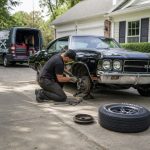




Discover the essential strategies to maximize the lifespan of your summer tires, saving money while ensuring safety and performance. Why do so many drivers overlook simple maintenance routines that could prevent uneven wear, blowouts, or premature replacements? Summer tires are engineered for hot, dry conditions, but neglecting regular checks—such as tire pressure, rotations, and wheel alignments—can accelerate deterioration, compromising grip and safety. Are you aware of how easily driving habits like abrupt stops or rough roads can hasten tire wear? This guide reveals practical tips and expert insights on maintaining optimal tire health, from diligent inspections to mindful driving. Yet, amidst advanced tire technology, many drivers still rely on minimal care, risking costly repairs or dangerous failures. Are you doing enough to protect your investment and ensure smooth, secure drives all season long? The secret lies in proactive, consistent maintenance—mastering which can dramatically extend your tires’ life and your peace of mind.

Extend Your Summer Tire Life for Safety and Savings
Summer tires play a vital role in how your vehicle handles during the warmer months. Designed for hot pavement and dry roads, they provide superior grip, better handling, and increased safety when temperatures rise. But no matter how durable they are, tires don’t last forever. Without proper maintenance, their performance can quickly decline, leading to safety risks and higher costs. Extending the lifespan of your summer tires isn’t just about saving money; it’s about ensuring you stay safe and confident on the road all season long.
Many drivers underestimate how quickly tires can wear out without consistent care. Daily driving habits, rough road conditions, and even aggressive acceleration can accelerate tread loss and cause uneven wear patterns. Since summer tires are formulated to soften in heat, neglecting routine maintenance can speed up their deterioration. Regular inspections—checking for uneven tread, embedded debris, or cracks—can catch early signs of wear before they become safety hazards or lead to costly replacements.
Proper tire care also involves paying attention to tire pressure. Underinflated tires wear faster at the edges, while overinflated ones tend to wear in the center. Both issues shorten tire life and compromise safety. Checking tire pressure at least once a month, especially during hot weather, helps maintain even wear and ensures optimal contact with the road. This simple step enhances handling, improves fuel efficiency, and extends the overall lifespan of your tires.
Rotating your tires regularly is another straightforward yet effective way to promote even wear. By switching their positions—front to back or diagonally—you prevent certain tires from wearing out prematurely due to driving patterns. Most manufacturers recommend rotating tires every 5,000 to 8,000 miles, but it’s worth consulting your owner’s manual for specific guidance. Consistent rotation keeps your tires wearing evenly, preserving handling performance and safety, especially on hot summer roads where uneven wear can lead to loss of grip.
Wheel alignment plays a crucial role in tire longevity. Misaligned wheels cause uneven tread wear, which can significantly reduce the lifespan of your tires. If your vehicle pulls to one side or you notice irregular tread patterns, it’s time for an alignment check. Proper alignment ensures your tires make full contact with the road, reducing uneven wear and enhancing handling. It also saves you money in the long run by preventing unnecessary replacements and maintaining your vehicle’s efficiency.
Adopting mindful driving habits can make a big difference in tire longevity. Avoiding sudden stops, sharp turns, and aggressive acceleration reduces stress on your tires and slows their wear. Driving smoothly, braking gradually, and anticipating traffic flow not only extend tire life but also improve safety. Combining good driving habits with regular maintenance creates a solid foundation for maximizing your summer tires’ lifespan, helping you get the most value and performance from your investment.

Essential Practices to Maximize Tire Longevity
Maintaining your summer tires’ longevity depends on a few simple yet powerful practices. Regular inspections are at the top of the list—checking every few weeks for uneven tread wear, cuts, cracks, or lodged debris. Catching these early can prevent minor issues from escalating into safety risks or costly replacements. A quick visual check keeps you aware of your tires’ condition and helps spot early signs of deterioration, especially during the heat of summer when rubber softens and wears more rapidly.
Proper tire pressure is another crucial factor often overlooked. Underinflated tires cause the edges to wear faster because the contact patch with the road becomes uneven, leading to quicker tread loss. Overinflated tires tend to wear in the center, reducing overall lifespan. Checking tire pressure at least once a month—and more frequently during hot weather—ensures even wear and optimal contact with the road. Maintaining the right pressure not only extends tire life but also improves handling and fuel efficiency, making it a simple yet effective step.
Rotating your tires regularly is one of the easiest ways to promote even wear across all four tires. Moving them from front to back or diagonally prevents certain tires from wearing out prematurely due to driving patterns. Most manufacturers recommend a rotation every 5,000 to 8,000 miles, but consulting your owner’s manual provides tailored guidance. Consistent rotation helps keep tread wear balanced, which preserves handling performance and safety, especially on hot summer roads when uneven wear can lead to grip loss.
Wheel alignment plays a vital role in tire longevity. Misaligned wheels cause uneven tread wear, which shortens the lifespan of your tires. If your vehicle pulls to one side or you notice irregular tread patterns, it’s time for an alignment check. Proper alignment ensures your tires make full, even contact with the road, reducing unnecessary wear and improving handling. Investing in alignment not only prolongs your tires’ lifespan but also enhances safety and saves money over time by preventing early replacements.
Adopting mindful driving habits significantly impacts tire wear. Avoid abrupt stops, sharp turns, and rapid acceleration whenever possible. Gentle driving reduces stress on your tires, slowing their deterioration. Braking gradually and anticipating traffic flow allow your tires to wear evenly, which extends their life and maintains safety. Staying alert and driving smoothly creates a buffer against unnecessary tire stress, helping you maximize their performance throughout the season.
Additionally, avoid driving over potholes, debris, and rough pavement whenever possible. These hazards can cause sidewall damage or embedded objects that weaken the tire structure. Regular visual checks can help spot such issues early, allowing for timely repairs or replacements. A proactive approach to road conditions and cautious driving habits protect your tires from avoidable damage that accelerates wear, especially in the challenging summer landscape.
Finally, don’t neglect professional maintenance. Routine services like wheel alignments, detailed rotations, and pressure checks performed by experts ensure your tires stay in top shape. While basic checks can be done at home, professional inspections catch subtle issues that might go unnoticed, preserving tire health longer. Investing in proper maintenance keeps your tires performing their best, helping you enjoy safer, longer-lasting drives all summer long.

The State of Tire Maintenance: Challenges and Opportunities
Today, how drivers care for their summer tires varies widely. Some stick to basic routines like quick visual inspections or checking tire pressure, while many skip more detailed maintenance steps altogether. Routine tire rotation or precise pressure checks are often overlooked, leading to uneven wear and a shorter lifespan. Many assume that once they’ve installed a quality set of tires, they’re set for the season, especially if they drive carefully. But neglecting proper maintenance can result in faster tire deterioration, higher costs, and safety risks.
One of the biggest challenges today is a lack of awareness. Many drivers don’t fully grasp how quickly tires can wear without regular checks. Small issues—like embedded debris, minor cuts, or slight unevenness—can seem insignificant but have the potential to turn into serious problems if ignored. Busy schedules and hectic lifestyles make routine maintenance seem less urgent, pushing it down the list of priorities. As a result, many drivers rely on minimal effort, assuming their tires will hold up, which isn’t always the case.
Advances in tire technology have improved durability and performance, but habits haven’t always kept pace. Modern tires are built with longer-lasting materials and sophisticated designs, yet many drivers continue to follow outdated routines. Visual inspections and pressure checks are helpful, but they only scratch the surface. Without more thorough care—like regular rotations and alignments—drivers miss opportunities to extend their tires’ life and optimize their performance. This gap between technology and maintenance habits means many tires wear out prematurely or develop issues that could have been prevented.
Road conditions and driving styles further complicate tire maintenance. Potholes, debris, and rough pavement can cause damage if tires aren’t inspected frequently. Aggressive driving—such as abrupt stops, sharp turns, and rapid accelerations—places extra stress on tires, accelerating wear and uneven tread patterns. Without routine checks, these issues can go unnoticed until they become serious safety hazards, like blowouts or loss of control. Proper inspection and mindful driving habits are essential in mitigating these risks and prolonging tire life.
Another obstacle is the convenience of quick-service options and DIY checks. While simple tools like pressure gauges and visual inspections are accessible, they’re often performed hastily or infrequently. Professional services, including wheel alignments and detailed rotations, are sometimes delayed or skipped altogether, either because drivers underestimate their importance or find them inconvenient. This disconnect leaves many tires vulnerable, especially during the summer heat when rubber softens and wears more quickly.
In essence, the current state of tire maintenance is a mixed picture. Some drivers are making genuine efforts to care for their tires, but many still rely on outdated or minimal routines. Challenges such as lack of awareness, busy lifestyles, and a lag between technological advances and actual maintenance habits hinder optimal tire care. Neglecting these factors leads to quicker wear, higher costs, and increased safety risks. Raising awareness and adopting simple, consistent maintenance routines can help drivers maximize their tires’ lifespan, ensuring safer, more economical drives throughout the season.